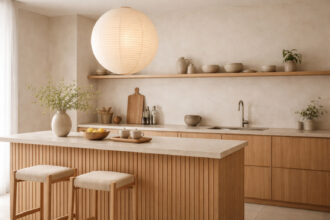

Choosing the right light colour can completely transform your kitchen. In this guide, we’ll help you find the best colour temperature for kitchen lighting to create the perfect balance of warmth, clarity, and style. If you’re new to lighting colour tones, check out our What Is Colour Temperature guide to understand the science behind warm and cool light before choosing your perfect kitchen setup.
Disclosure: As an Amazon Associate, LightGuru earns from qualifying purchases. Some of the links in this article may be affiliate links, this helps support our expert lighting guides at no extra cost to you.
What Is Colour Temperature? (Understanding the Kelvin Scale)

Understanding the best colour temperature for kitchen lighting starts with knowing how the Kelvin scale works…
Colour temperature describes the appearance of light, whether it looks warm (yellowish), neutral, or cool (bluish). It’s measured in Kelvins (K), and it directly affects how your kitchen feels and functions.
The basics:
- Warm White (2700K–3000K): Golden, cosy, and relaxing.
- Neutral White (3500K–4100K): Balanced and natural.
- Cool White / Daylight (5000K–6500K): Bright, clean, and energising.
A lower Kelvin value = warmer light.
A higher Kelvin value = cooler, bluer light.
If you want to see the difference visually, try our colour temperature selector.
For a deeper technical dive, on Kelvin lighting standards, see the CIBSE Lighting Guide or IES Lighting Handbook.
Best Colour Temperature for Kitchen Lighting – Warm vs Cool Comparison
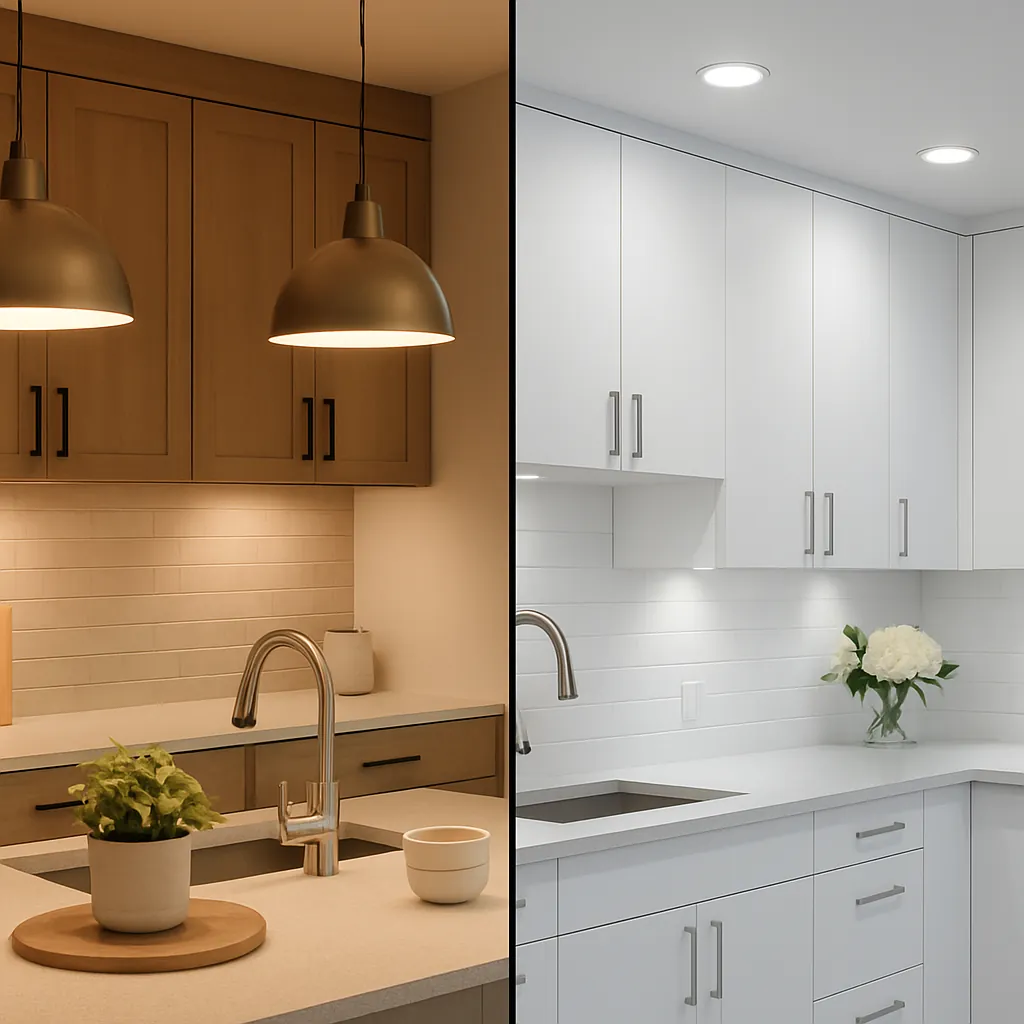
One of the most common questions we get is:
“Should I choose warm white or cool white lighting for my kitchen?”
Let’s break it down :
Warm White (2700K–3000K)
- Creates a soft, homely glow.
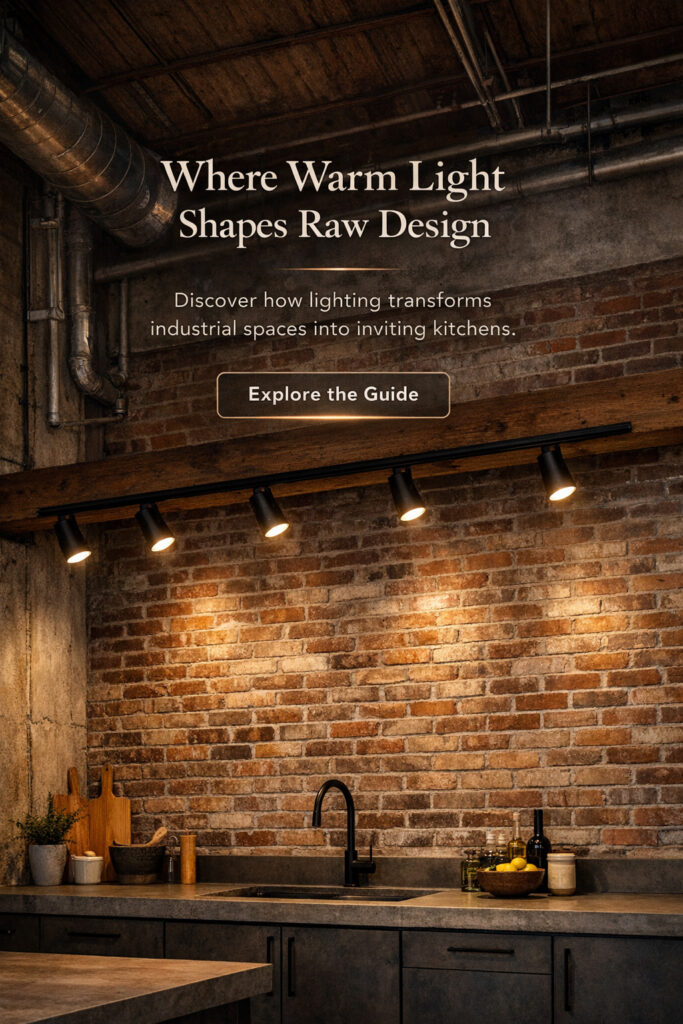
- Perfect for traditional or rustic kitchens.
- Complements wood tones, natural finishes, and neutral colours.
- Best for pendants, wall lights, and dining areas.
Warm light gives your kitchen a comfortable, welcoming atmosphere, ideal for socialising or evening meals.
Cool White (4000K–5000K)
- Bright and functional.
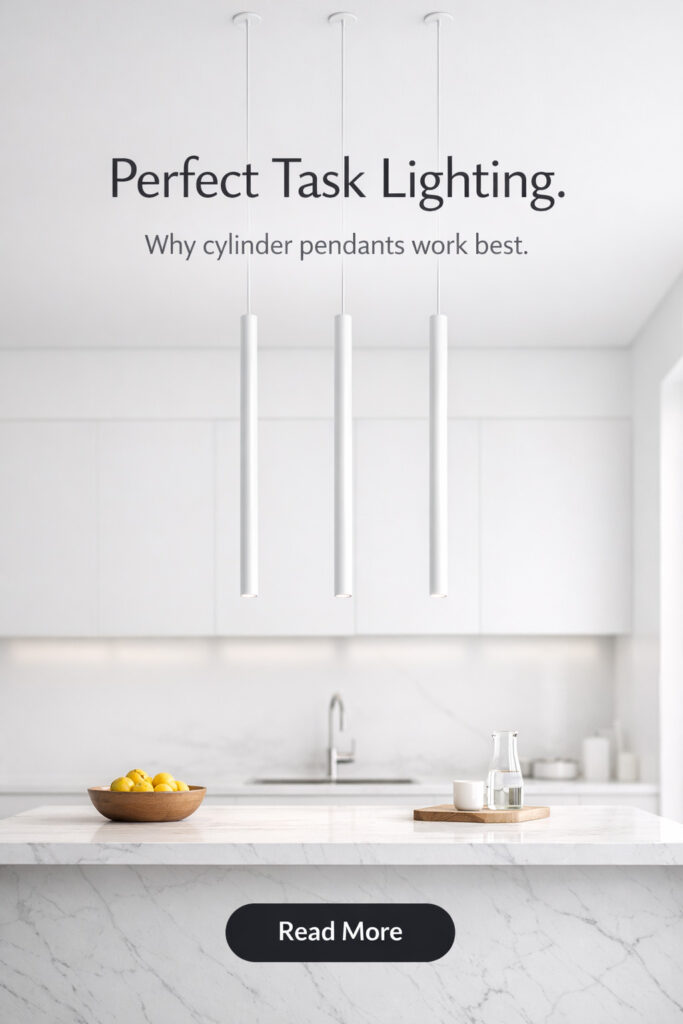
- Suits modern or minimalist kitchens.
- Excellent visibility for cooking and food prep.
- Works well with gloss, chrome, or marble finishes.
Pro Tip: If your kitchen lacks natural light, go slightly cooler (around 4000K) to keep it bright and fresh without looking sterile.
The Ideal Colour Temperature for Each Kitchen Area
Every zone in your kitchen has a purpose, and therefore a different ideal light colour. Layering colour temperatures is the secret to a balanced, professional look.

Below we’ve outlined the best colour temperature for kitchen lighting by zone – from ceiling to under-cabinet areas.
| Kitchen Area | Recommended Colour Temperature | Lighting Effect | Ideal Products |
|---|---|---|---|
| Ceiling / General | 3000K–3500K | Natural, comfortable, everyday light | Kitchen Ceiling Lights – Amazon UK |
| Under-Cabinet / Task | 4000K–5000K | Bright, clear, high-visibility light | Under Cabinet Lights – Amazon UK |
| Pendant / Dining | 2700K–3000K | Warm, ambient, perfect for evenings | Kitchen Pendant Lights – Amazon UK |
| Accent / Display | 2700K–3500K | Adds depth and highlights features | LED Spotlights – Amazon UK |
Mixing Warm and Cool Lighting (Yes, You Can!)
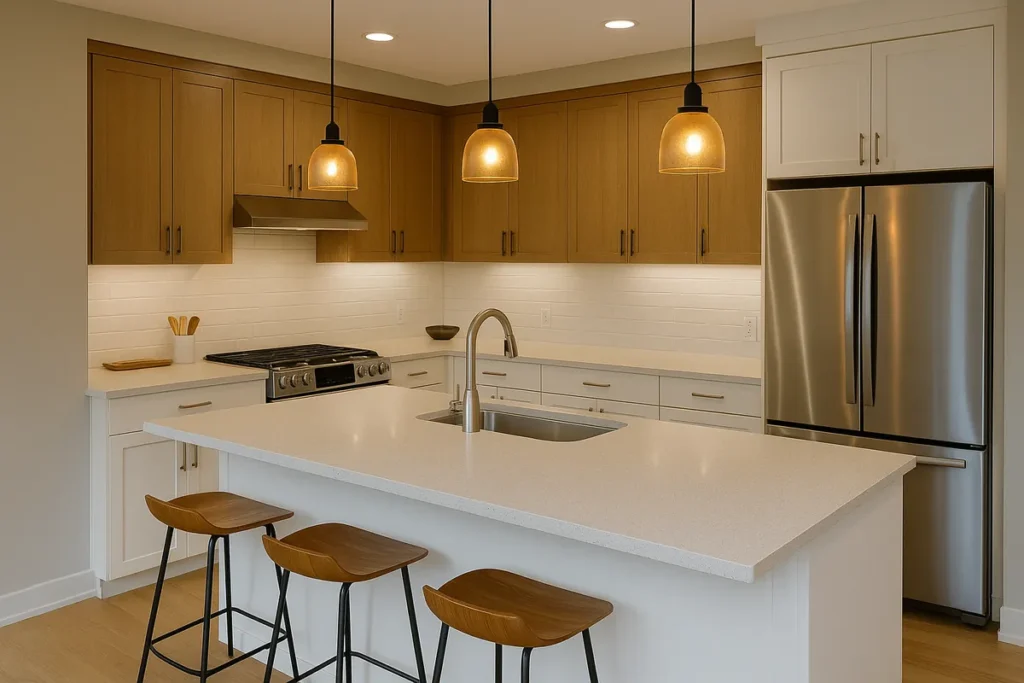
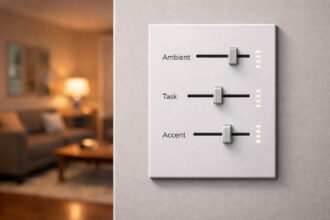
Mixing warm and cool lighting isn’t just possible, it’s what gives a kitchen depth, comfort, and clarity. If you’re experimenting with layering, remember that the best colour temperature for kitchen lighting often involves combining warm and cool tones.
How to do it:
- Use cool white (4000K–4500K) for task and ceiling lights.
- Pair with warm white (2700K–3000K) pendants or wall lights.
- Keep the tones consistent within each zone to avoid clashing.
Don’t Forget CRI (Colour Rendering Index)
The CRI tells you how accurately a light shows colours. A rating of 80+ is perfect for kitchens, it helps food, décor, and worktops look vibrant and natural.
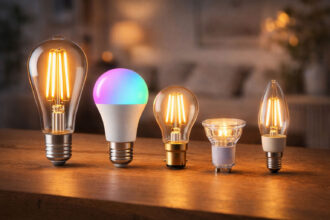
For ultimate flexibility, choose CCT Adjustable LEDs (Colour Changing Temperature). These let you shift from warm to cool tones at the touch of a button, ideal for open-plan kitchens that double as social spaces.
Explore Adjustable LED Downlights – Amazon UK.
Our Expert Recommendation
Our experts agree: the best colour temperature for kitchen lighting is a mix between 3000K and 4000K depending on your kitchen’s layout.
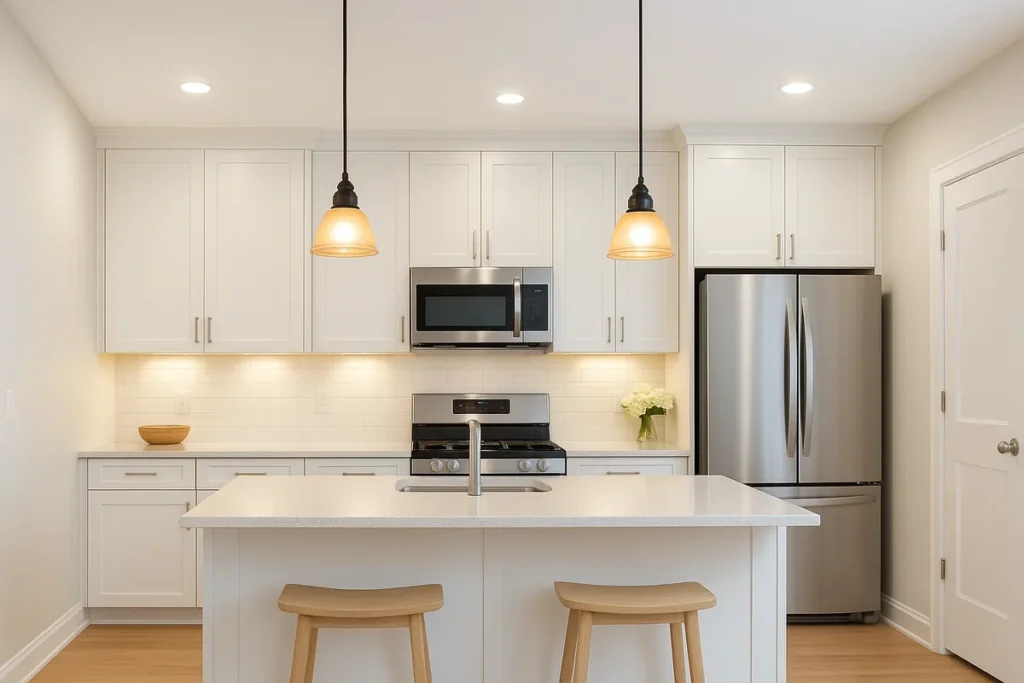
If you want a setup that looks amazing day and night, we recommend:
- Ceiling lights: 3000K-4000K (warm to cool white)
- Under-cabinet lights: 4000–4500K (cool white)
- Pendant lights: 2700K (warm white for ambience)
This combination creates a versatile, layered lighting plan that’s both practical and beautiful.
For UK lighting standards and recommendations, visit the Lighting Industry Association (LIA), the UK’s leading authority on professional lighting design.
FAQs
Q1. What Kelvin is best for kitchen lighting?
Most kitchens perform best between 3000K and 4000K – bright enough for prep, warm enough for comfort.
Q2. Should kitchen lights be warm or cool?
Warm white (2700–3000K) for ambience, cool white (4000K+) for tasks. Layer both for the best effect.
Q3. What colour temperature is best for under-cabinet lighting?
4000–5000K. Bright, accurate, and ideal for cooking areas.
Q4. Can you mix warm and cool lights in one kitchen?
Absolutely! Use warm light in social spaces and cool light for worktops. It adds contrast and depth.
Conclusion
Lighting does more than just brighten a kitchen, it defines its mood, function, and design.
By understanding colour temperature, you can create a kitchen that feels welcoming, practical, and stylish all at once.
Choosing the best colour temperature for kitchen lighting ensures your space feels both practical and inviting.
Pro Tip: Warm light softens; cool light sharpens. Combine both for perfection.
Want to learn more about how colour temperature affects every room?
Read our What Is Colour Temperature article for a deeper dive into Kelvin ratings, lighting moods, and how to balance warm and cool light across your home.
Ready to transform your kitchen lighting?
Explore the full range of Kitchen Lights at Amazon UK and find your perfect colour temperature today!