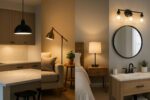
This living room lighting guide from LightGuru will help you create a space that feels both comfortable and stylish. Your living room is where you relax, entertain, and unwind, so the right lighting design is essential. With the perfect mix of ambient, task, and accent lighting, you can transform the atmosphere of your home.
In this guide to living room lighting ideas, we’ll show you how to layer light for comfort, flexibility, and timeless style.
For more inspiration across your home, see our [Complete Guide to Choosing the Right Lighting for Every Room →].
Table of Contents
Understanding Living Room Lighting Layers
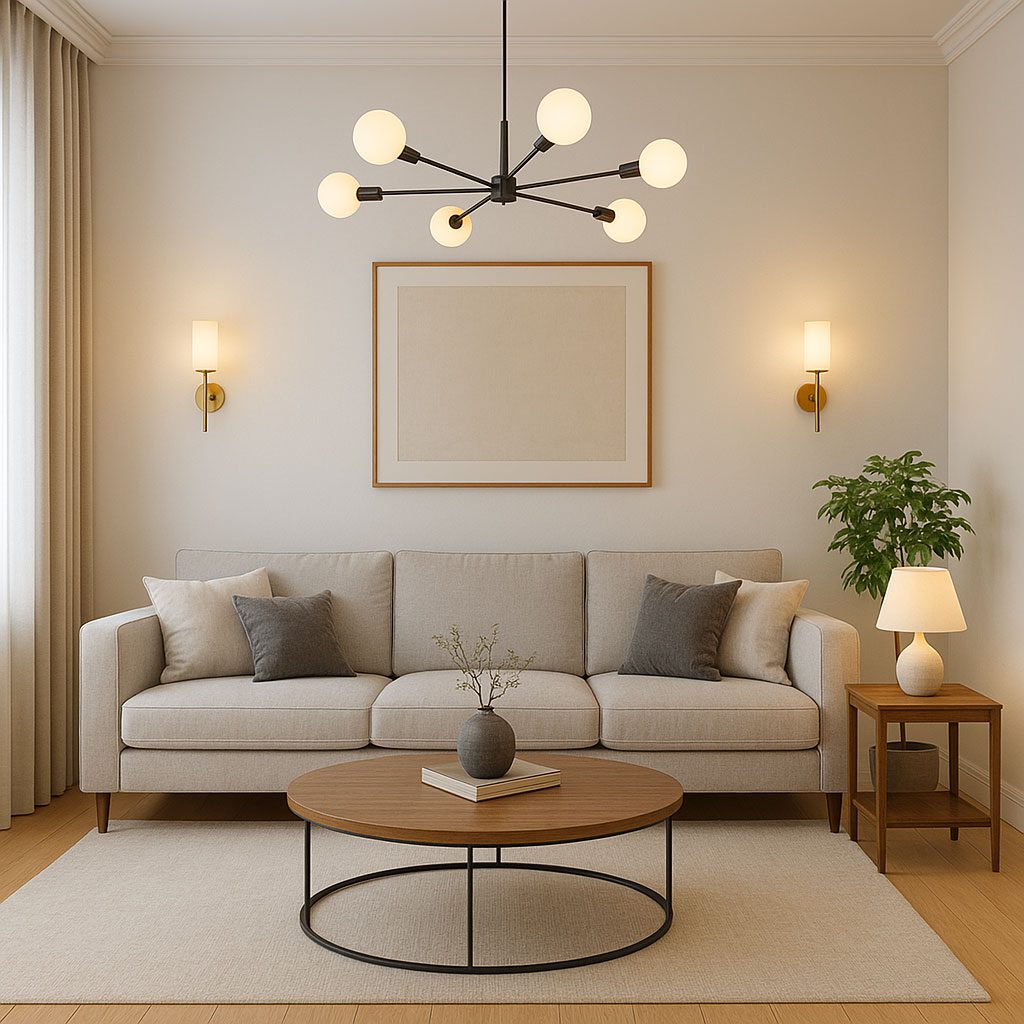
A well-designed living room lighting guide always starts with three key layers:
- Ambient lighting – the base layer for general illumination.
- Task lighting – focused lighting for reading, hobbies, or working.
- Accent lighting – highlights artwork, textures, and architectural details.
When you combine these layers, your living room feels both functional and inviting.
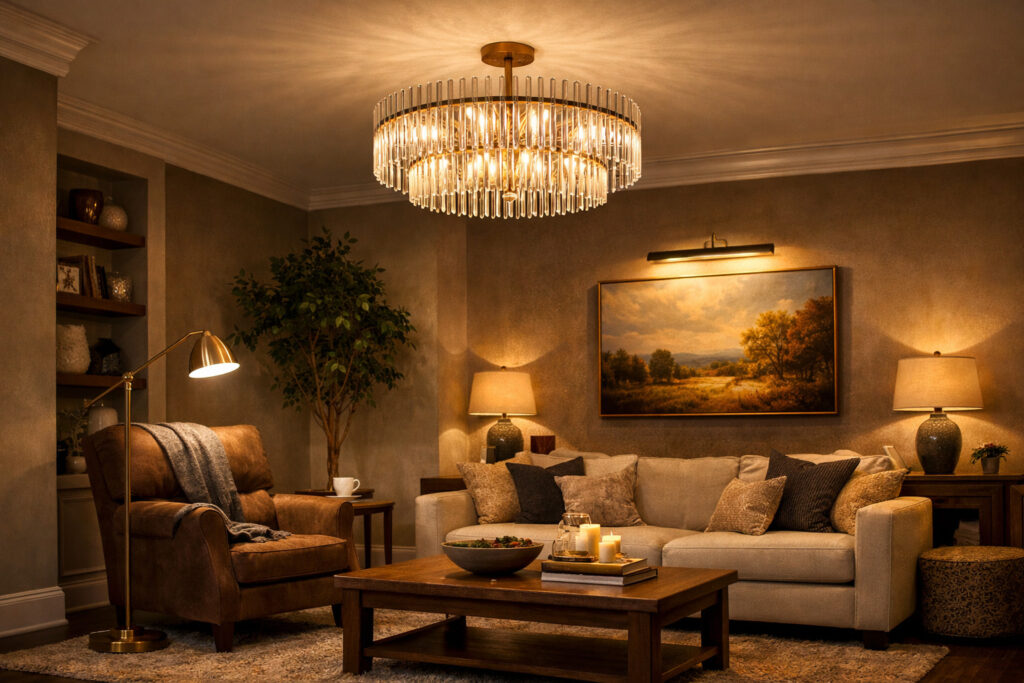
Ambient Lighting for Living Rooms
Ambient lighting provides the main light source for your living area.
Best Options
- Ceiling pendants or chandeliers for a statement look.
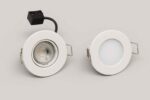
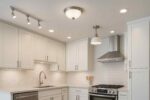
- Recessed LED downlights for clean, even illumination.
- Wall lights for softer background glow.
Pro Tip: The ‘Beam Angle’ Secret Many homeowners accidentally buy narrow ‘spot’ bulbs (35°) for their living room, which creates harsh pools of light and dark shadows.
The Fix: For a living room, always choose GU10 bulbs with a wide beam angle (60° or 100°). This spreads the light evenly across the ceiling and walls, making the room feel larger and softer.


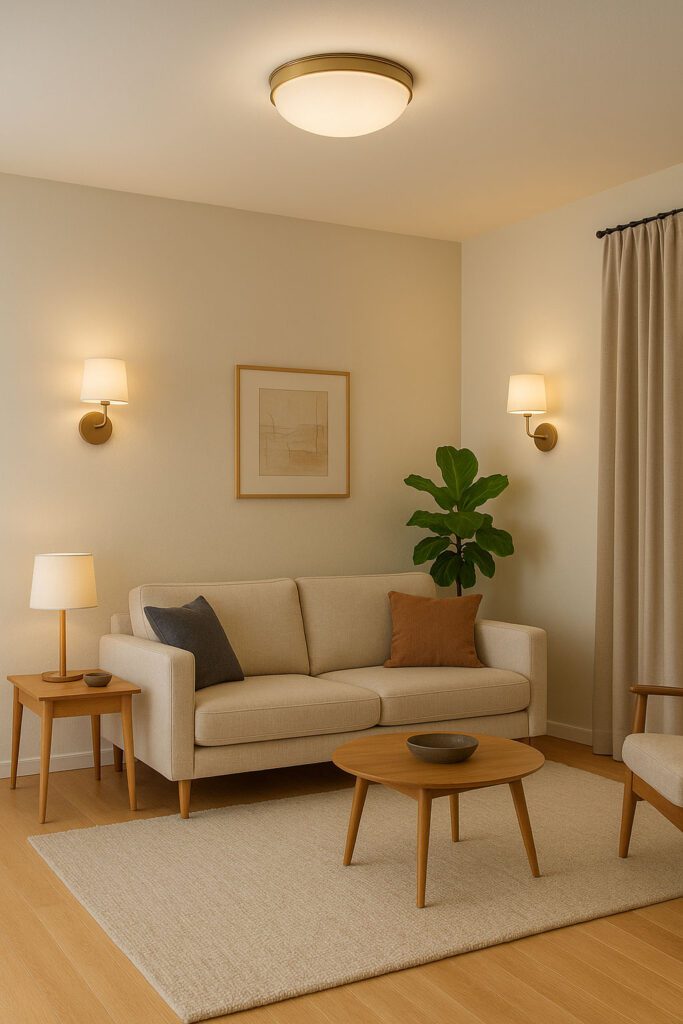
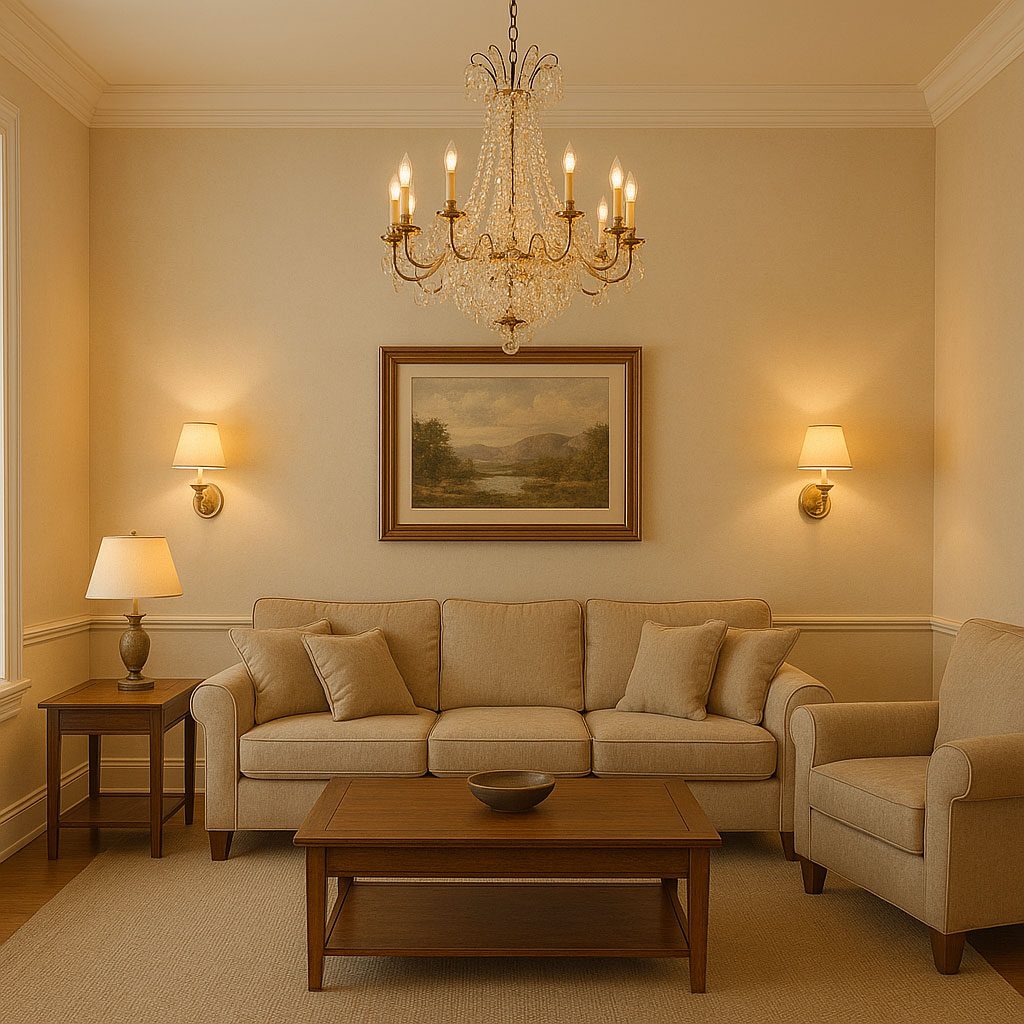
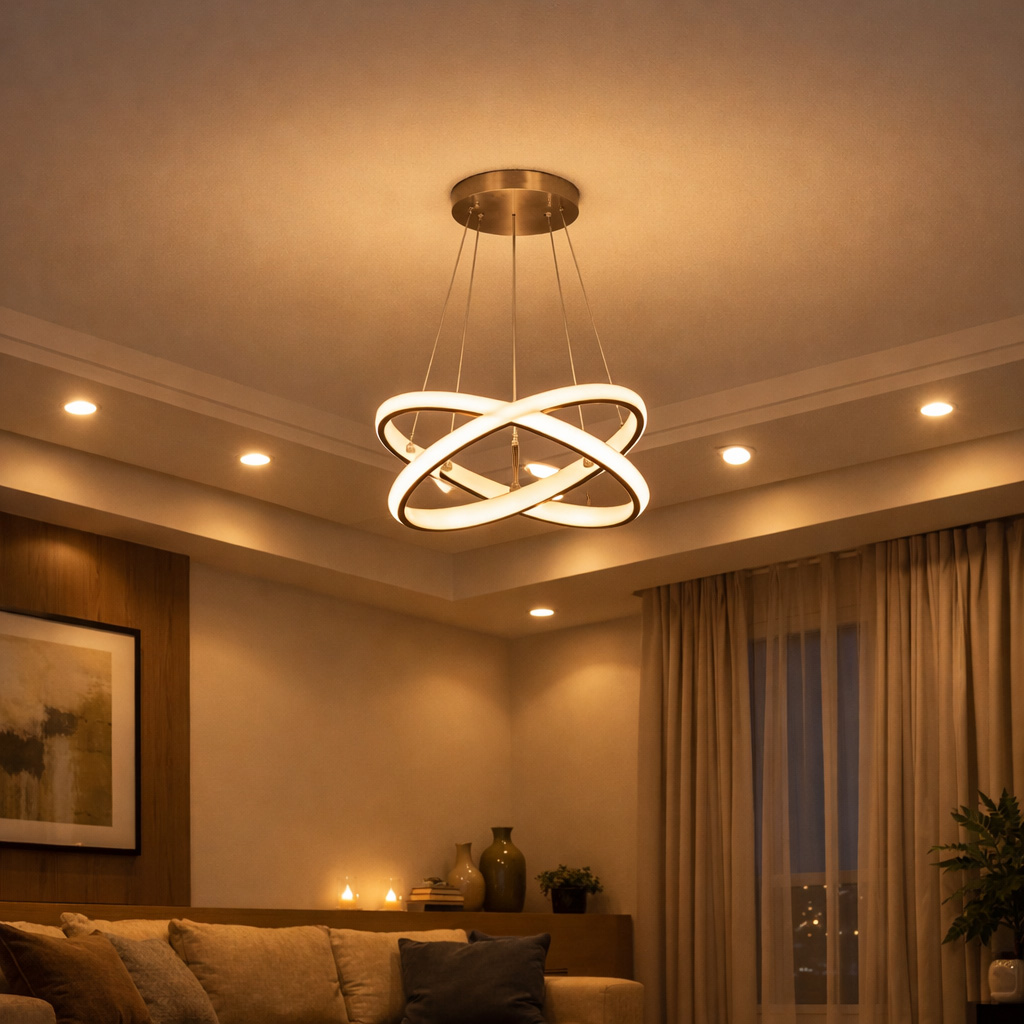
Task Lighting for Function and Comfort
Task lighting in a living room lighting guide is all about practicality without losing ambience.
Best Options
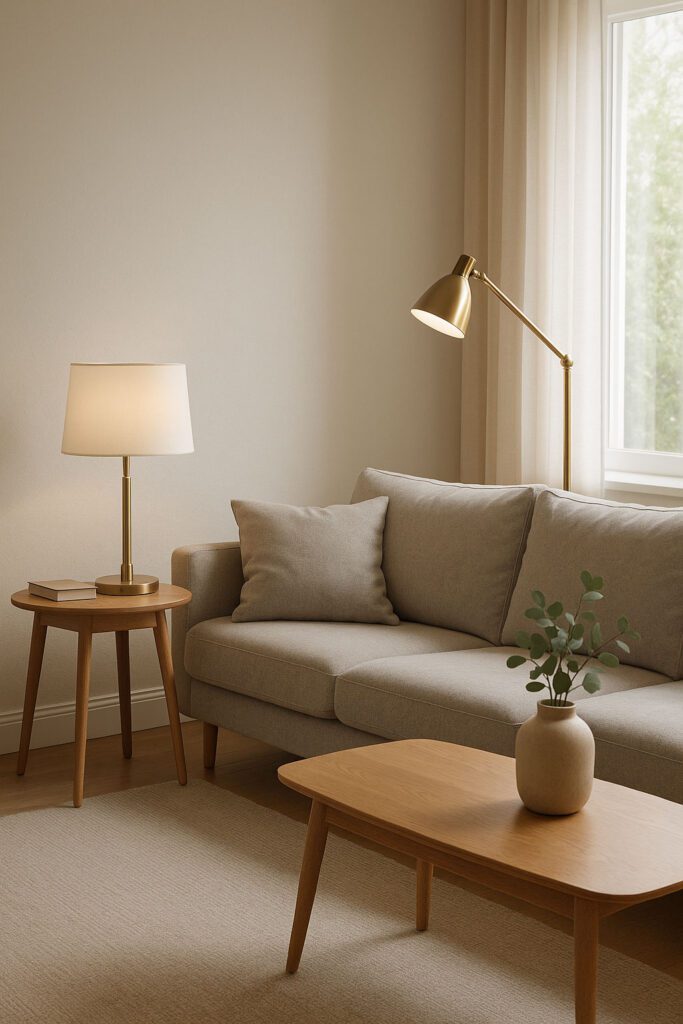
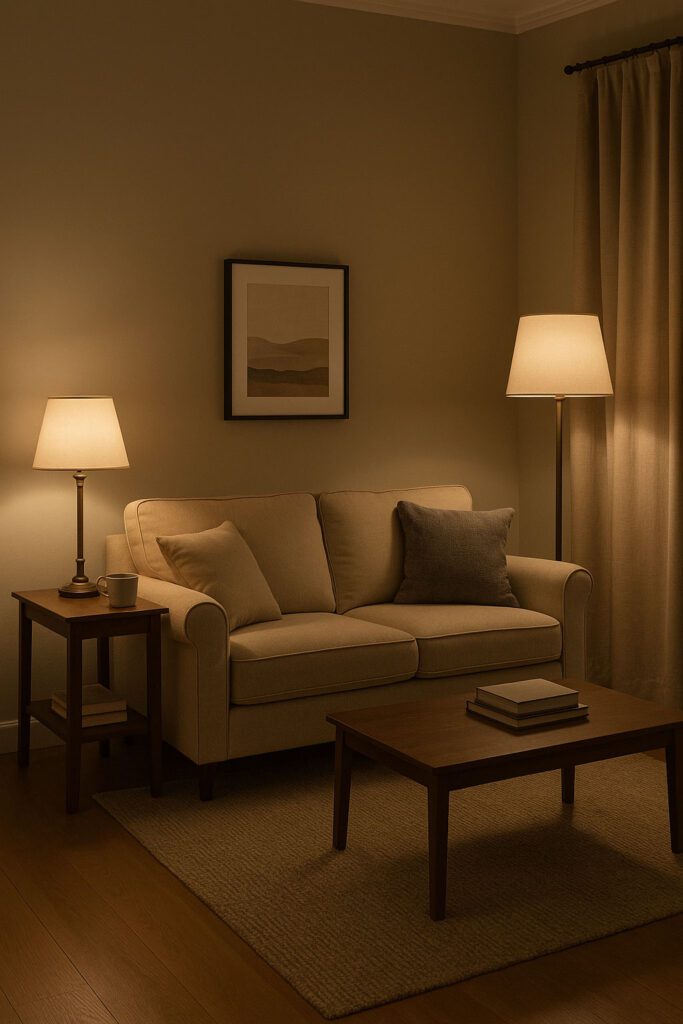
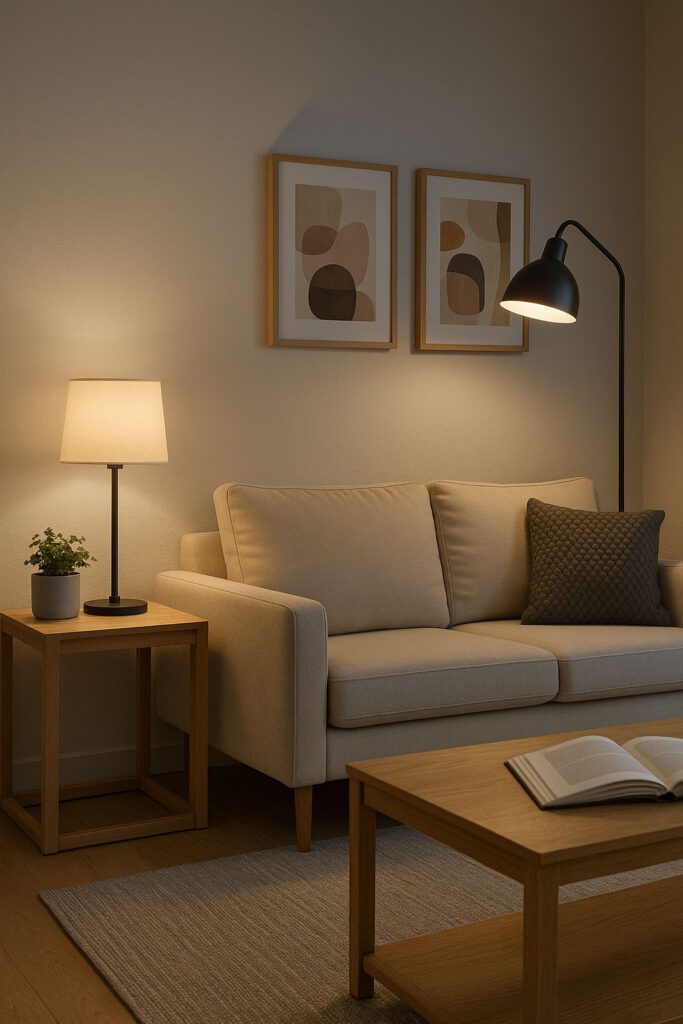
- Table lamps beside sofas and chairs for reading.
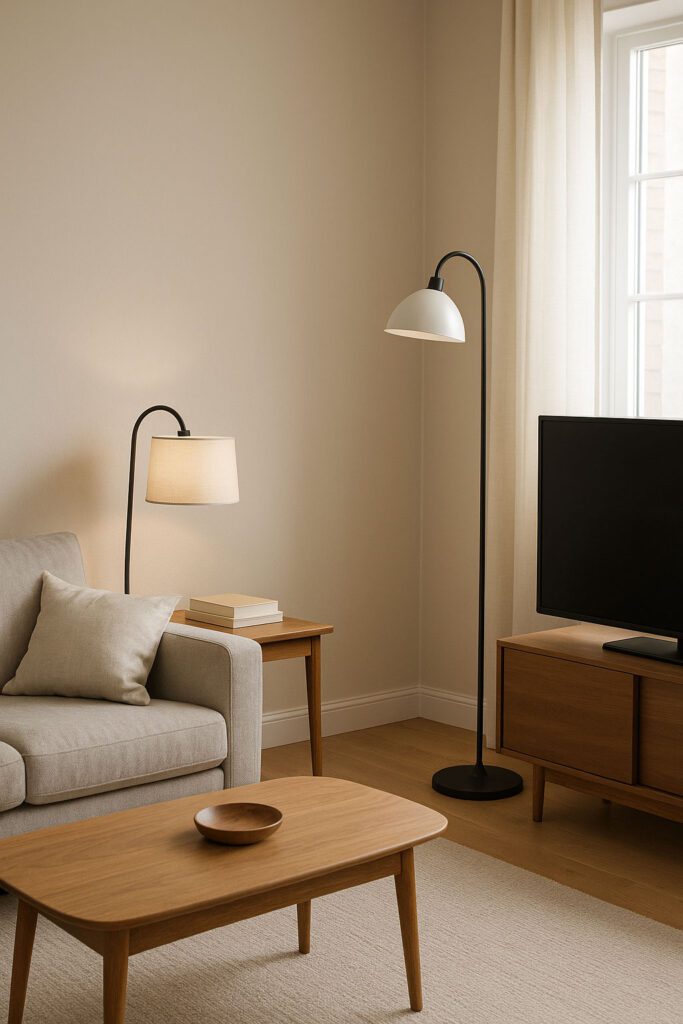
- Floor lamps for extra light in corners or next to furniture.
- Adjustable wall lights for focused illumination without clutter.
Pro Tip: Use LED bulbs with dimmers or smart controls to easily adjust brightness levels.

Accent Lighting for Warmth and Depth
Accent lighting brings your living room to life — adding personality and drama.
Accent Lighting Ideas
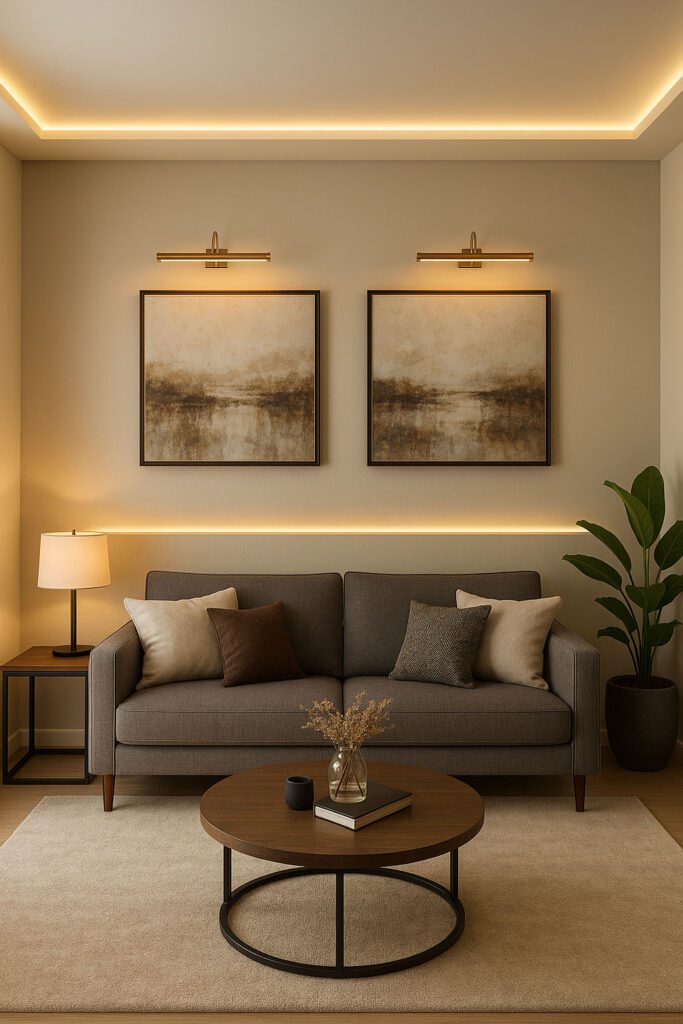
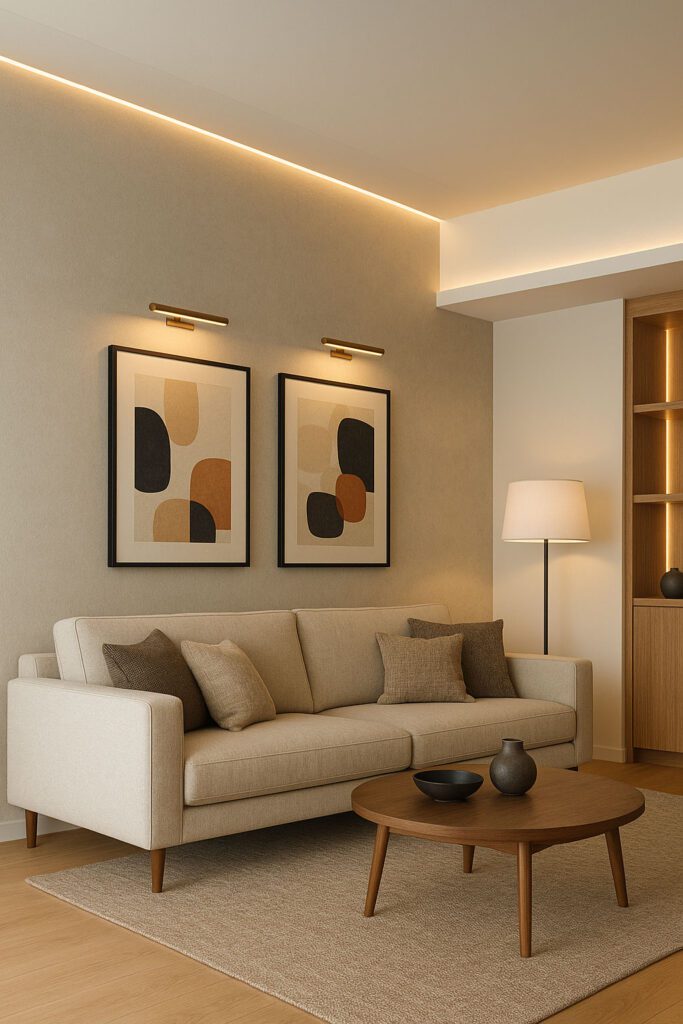
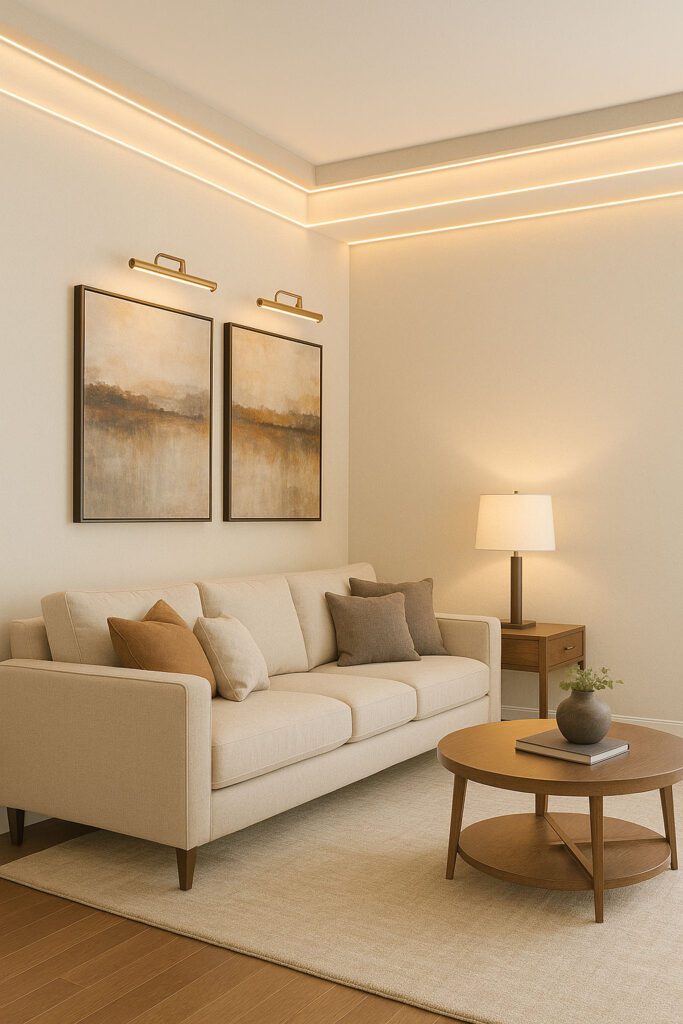
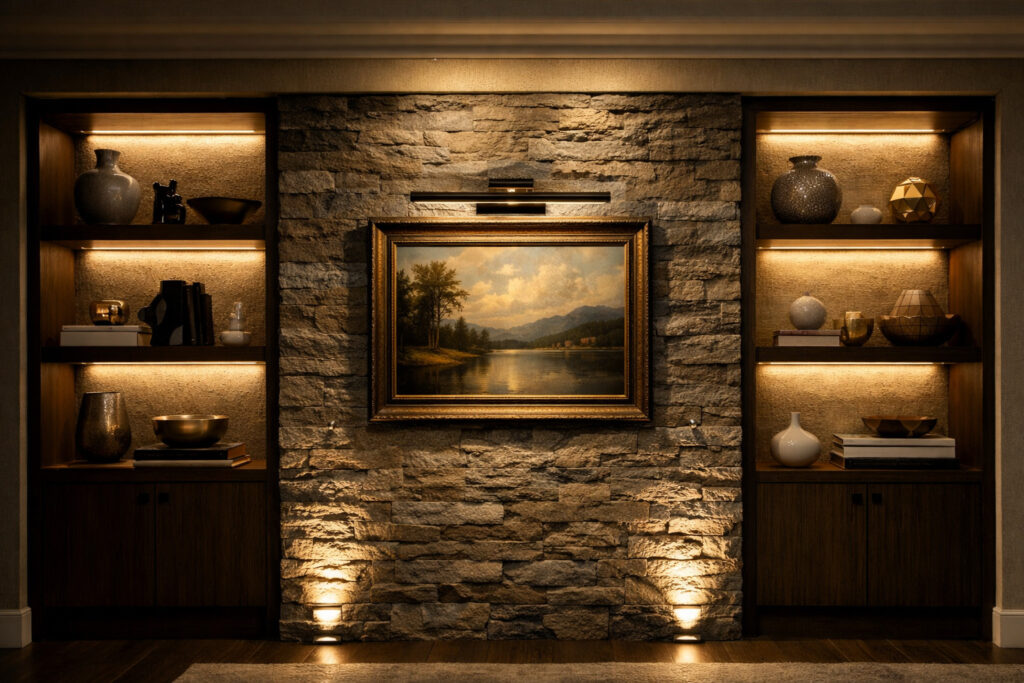
- Picture lights to highlight artwork.
- LED strip lighting behind shelving or TVs for subtle glow.
- Uplighters to draw attention to textures and walls.
Pro Tip: Use warm white (3000K) for accent lights to keep the look soft and inviting.

How Many Lights Does a Living Room Actually Need?
There is no single “correct” number of lights for a living room, but there is a reliable way to know when you have too few.
If your room relies on:
- one ceiling light
- or one ceiling light plus a lamp
it will almost always feel flat, harsh, or dim in the evenings.
A practical rule of thumb
Most living rooms feel balanced with 5–7 light sources, spread across different heights.
This usually includes:
- 1 ceiling light or group of downlights for ambient light
- 2 lamps at seating height
- 1–2 accent lights for walls, shelves, or corners
Larger rooms, open plan spaces, or rooms with dark furnishings may need more.
Brightness matters just as much as quantity. Too many low output lights can still leave a room feeling dull. If you want exact guidance, our room brightness calculator shows how many lumens your living room needs based on size and layout.
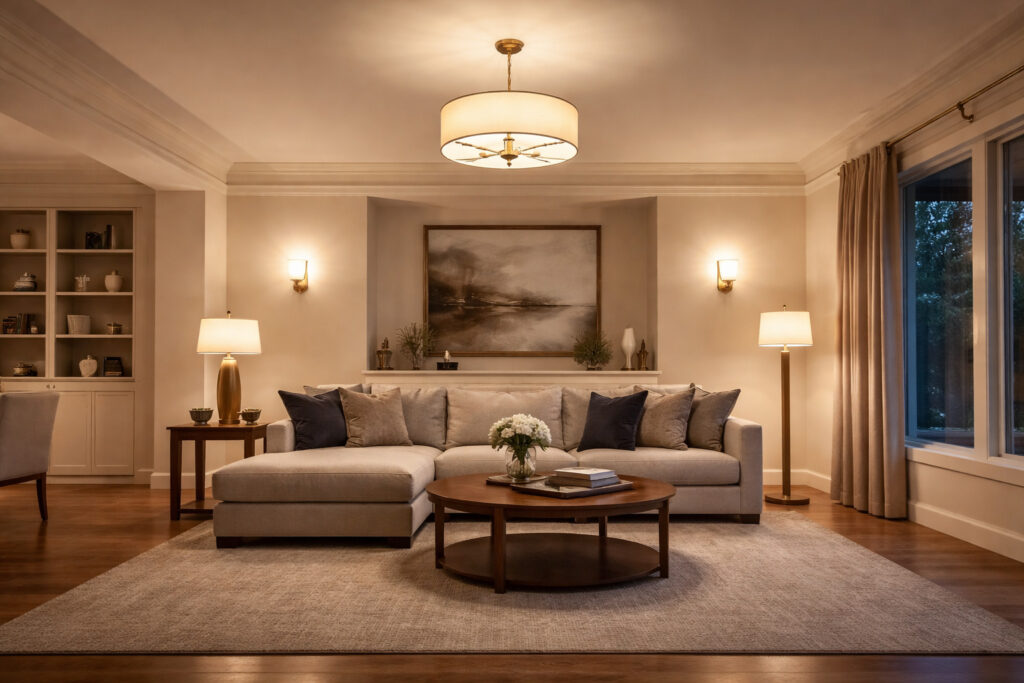
Floor and Table Lamps: The Key to a Comfortable Living Room
Lamps are not decorative extras. They are what make a living room feel calm instead of clinical.
Ceiling lighting alone creates light from above, which:
- flattens faces
- exaggerates shadows
- feels uncomfortable at night
Why lamps work so well
Floor and table lamps introduce horizontal light, which:
- softens contrast
- reduces glare
- makes seating areas feel welcoming
A good setup usually includes:
- a table lamp beside a sofa or armchair
- a floor lamp in a corner to prevent dark zones
For reading, choose lamps with shades that direct light downward rather than glowing in all directions. For mood lighting, diffused fabric or opal shades work best.
Lamps are also ideal for smart bulbs, allowing you to dim or warm the light without rewiring.
Best for Reading: [Link] Anglepoise Type 75 Floor Lamp – The classic choice. Fully adjustable shade directs light exactly onto your book, preventing glare on the TV.
Best for Corners: [Link] Paper/Fabric Shade Column Lamp – Diffuses light softly in all directions to banish dark shadows.
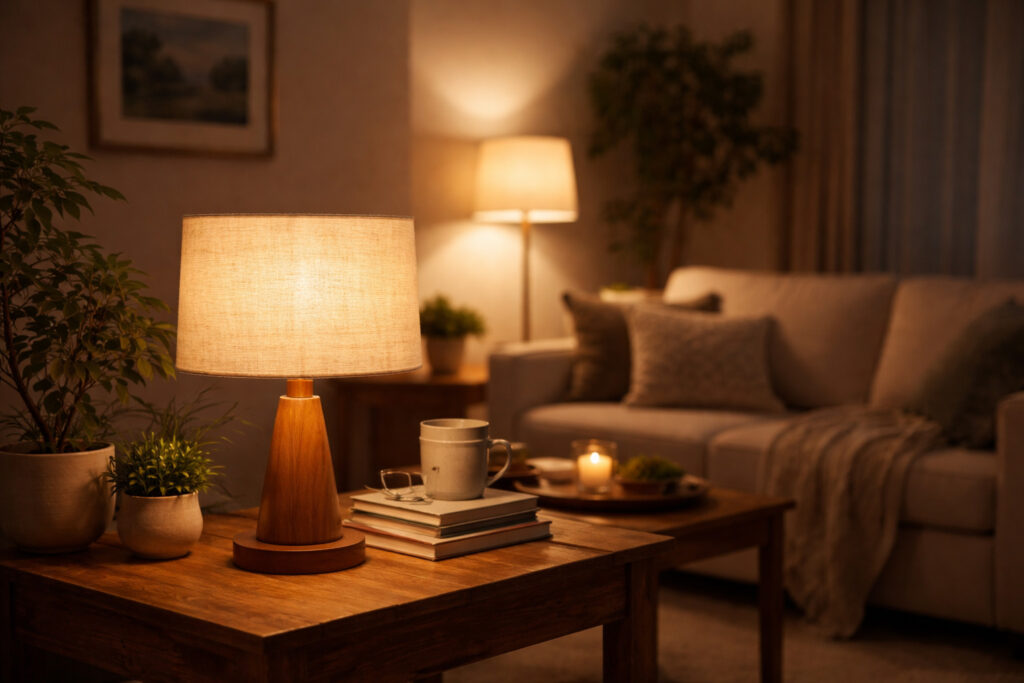
Lighting for TVs and Media Walls (Without Glare)
Televisions and media walls are one of the most common lighting pain points in living rooms.
The mistake most people make is:
- placing bright lights directly behind or above the screen
- or turning all lights off completely
Both cause eye strain.
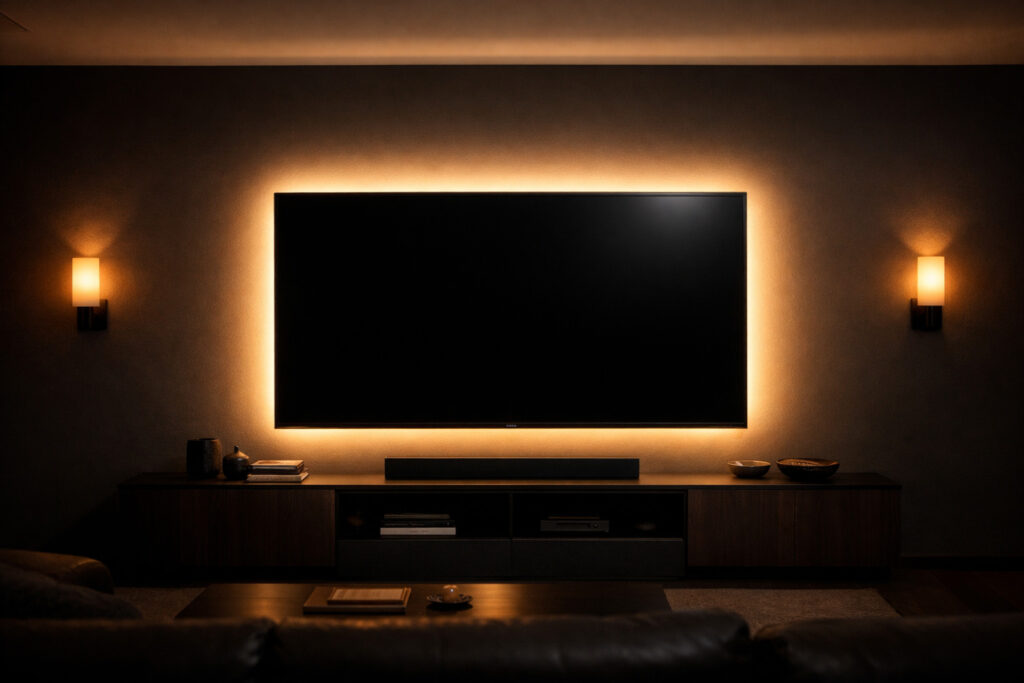
The better approach: background glow
Soft, indirect lighting around a TV reduces contrast between the screen and the room.
Effective options include:
- LED strips behind the TV or media unit
- wall lights placed to the sides, not above
- floor lamps set behind seating
Use warm white or neutral white light and keep brightness low. The goal is to support the screen, not compete with it.
Avoid exposed bulbs or shiny fittings near eye level when watching TV, as these create reflections and glare.
Best TV Backlight: [Link] Govee TV LED Backlight – Plugs directly into your TV’s USB port. Set it to ‘Warm White’ or ‘Amber’ to reduce eye strain instantly.
Lighting Styles for Different Interiors
Different interior styles call for distinct lighting choices.
| Style | Recommended Lighting | Description |
|---|---|---|
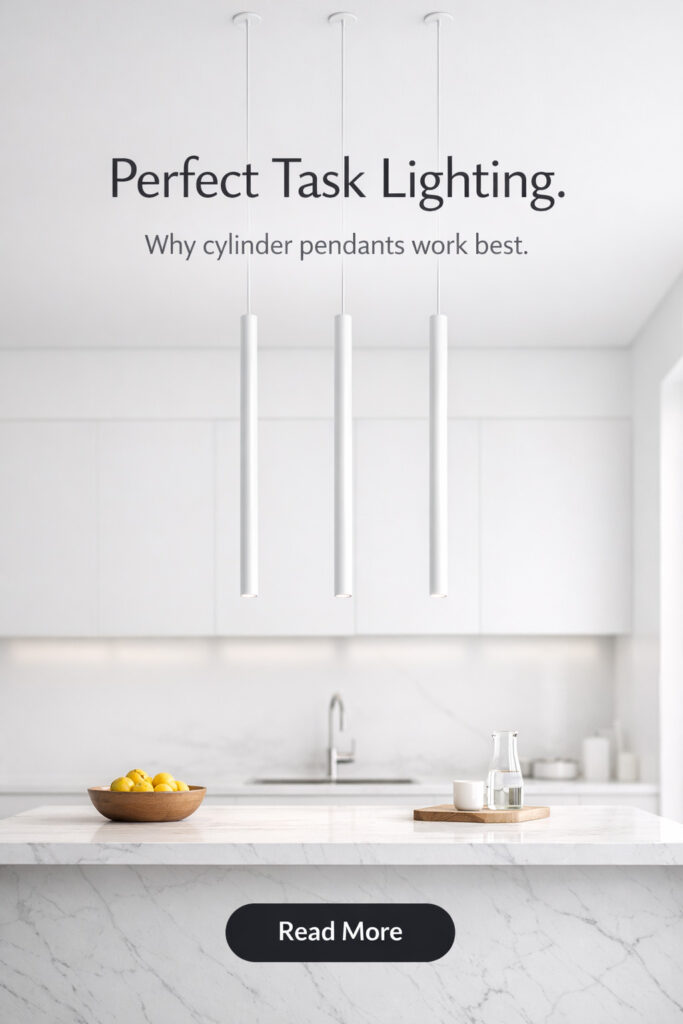
| Modern | Slim pendants, recessed LEDs, hidden strips | Clean, minimalist, and functional. |
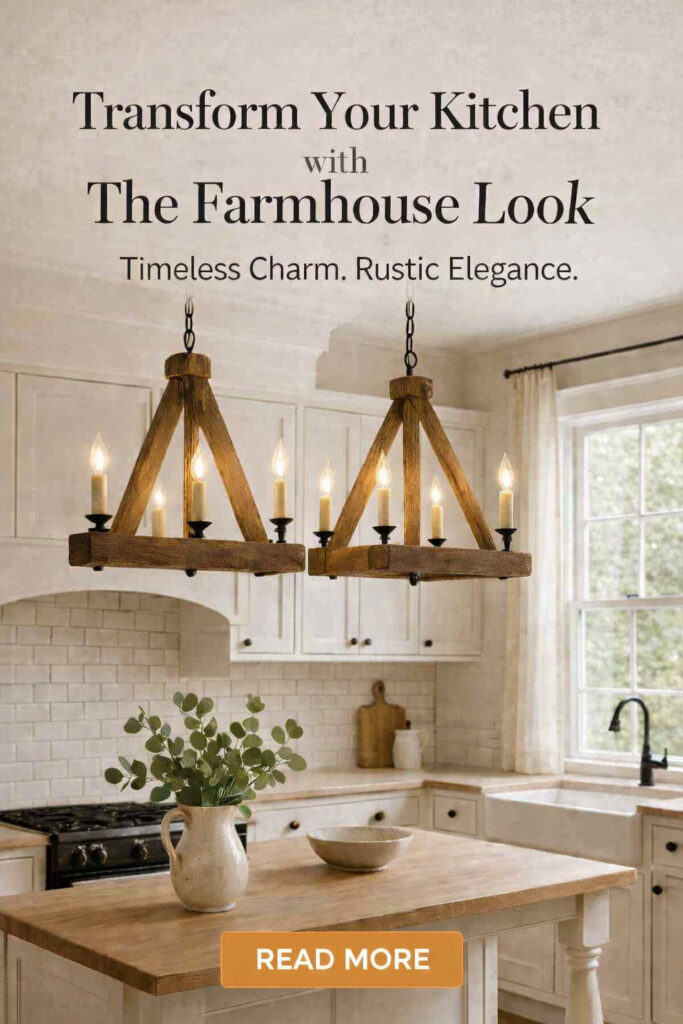
| Classic | Chandeliers, fabric shades, wall sconces | Warm and timeless charm. |
| Scandi | Natural materials, frosted glass, soft glow | Simple, balanced, and calming. |
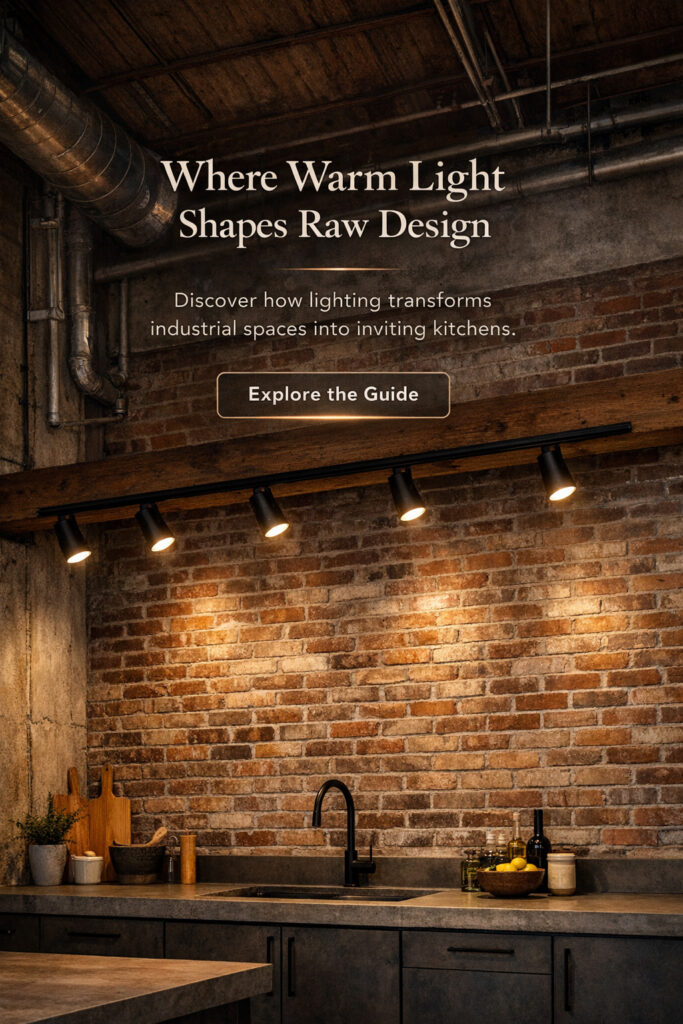
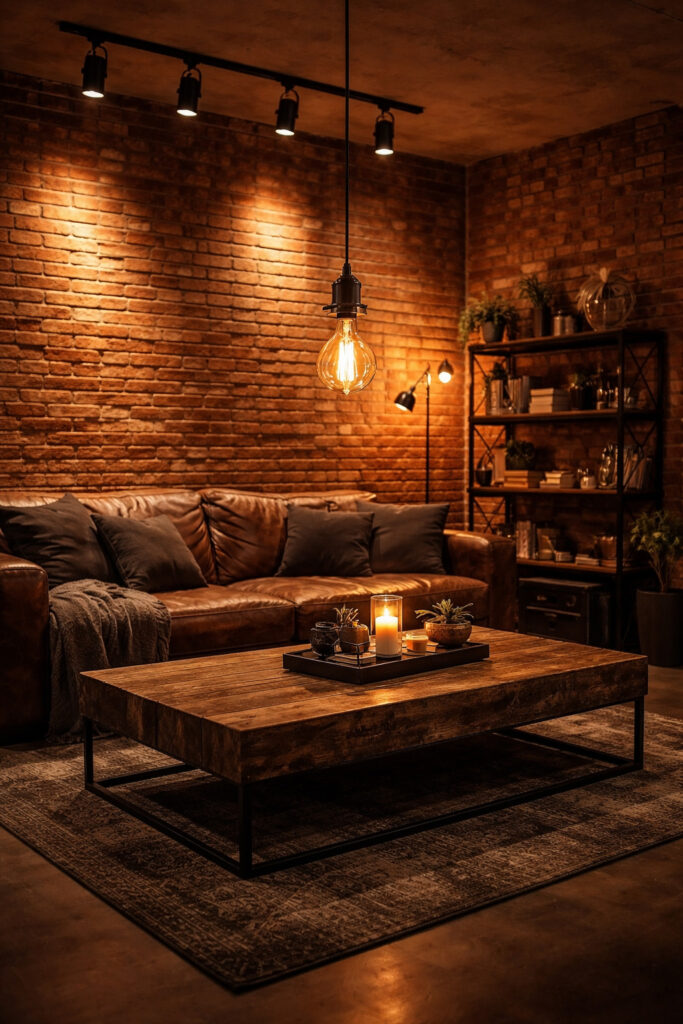
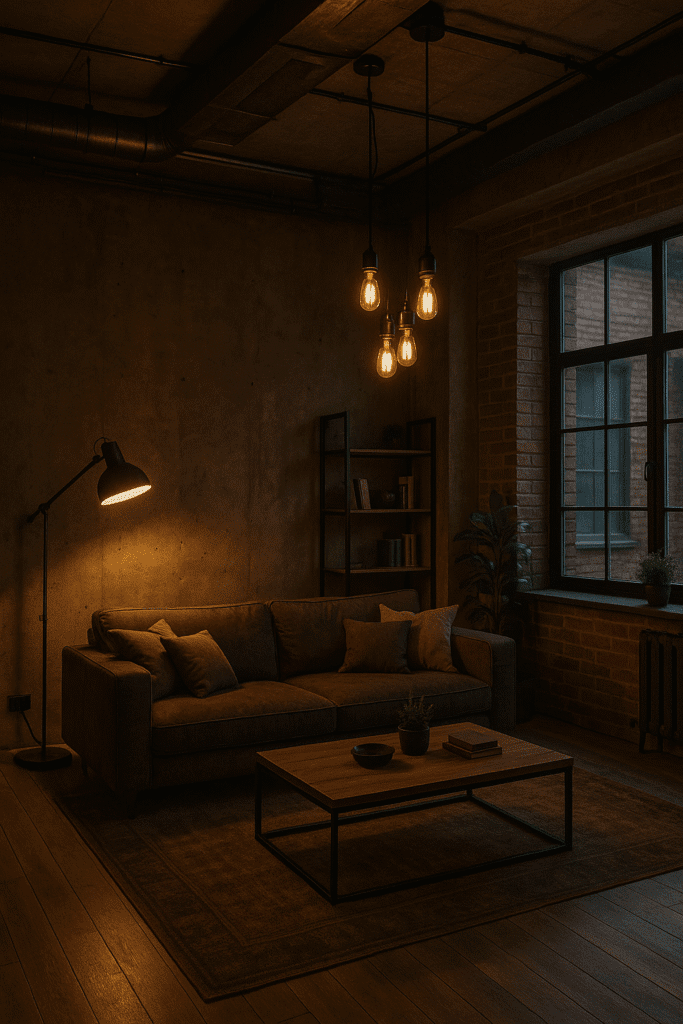
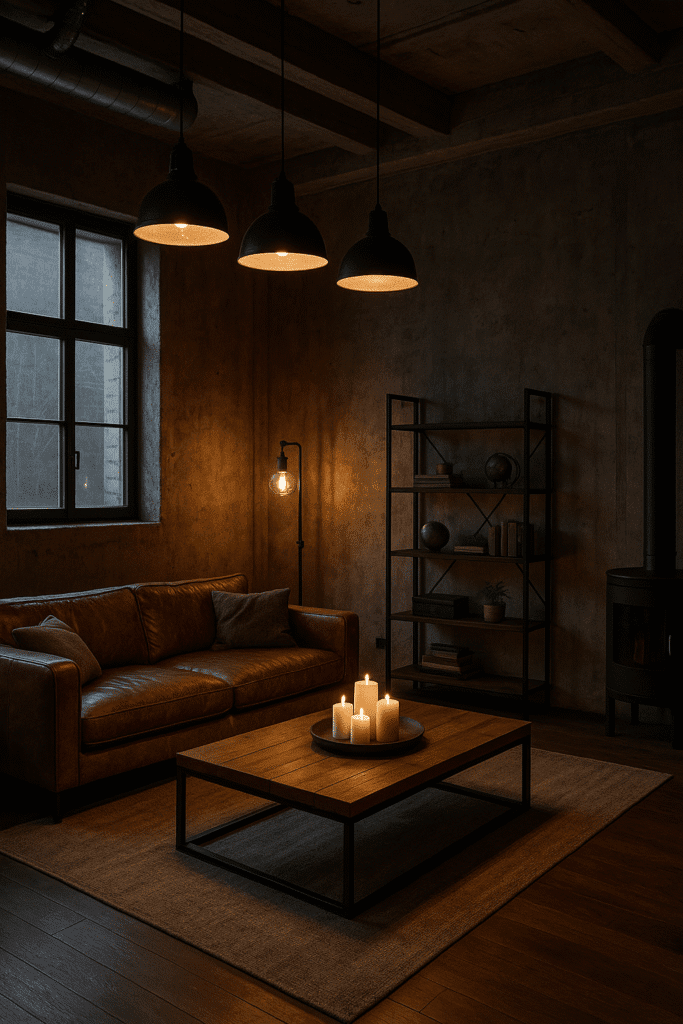
| Industrial | Black metals, exposed bulbs, track lights | Bold, textured, and dramatic. |
| Luxury | Layered lighting, dimmable LEDs, gold accents | Elegant, refined, and rich in depth. |

LED Strip, Alcove and Hidden Lighting
Hidden lighting is one of the easiest ways to make a living room feel more considered and premium.
LED strips work especially well when they are:
- concealed behind shelves
- tucked into alcoves
- hidden along ceiling edges or cabinetry
Why hidden light works
Instead of lighting objects directly, hidden lighting illuminates surfaces. This adds depth and visual interest without harsh shadows.
It is particularly effective in:
- modern living rooms
- rooms with shelving or media walls
- spaces where you want atmosphere more than brightness
Choose warm white for cosy spaces, and avoid overly bright strips. Hidden lighting should enhance the room quietly, not draw attention to itself.

Small or Dark Living Rooms: Lighting Tricks That Work
Small living rooms and rooms with limited daylight need a different approach.
The goal is not more light, but better placement.
What helps most
- multiple low level lights instead of one bright ceiling light
- wall lights to free up floor and table space
- uplighters to bounce light off walls and ceilings
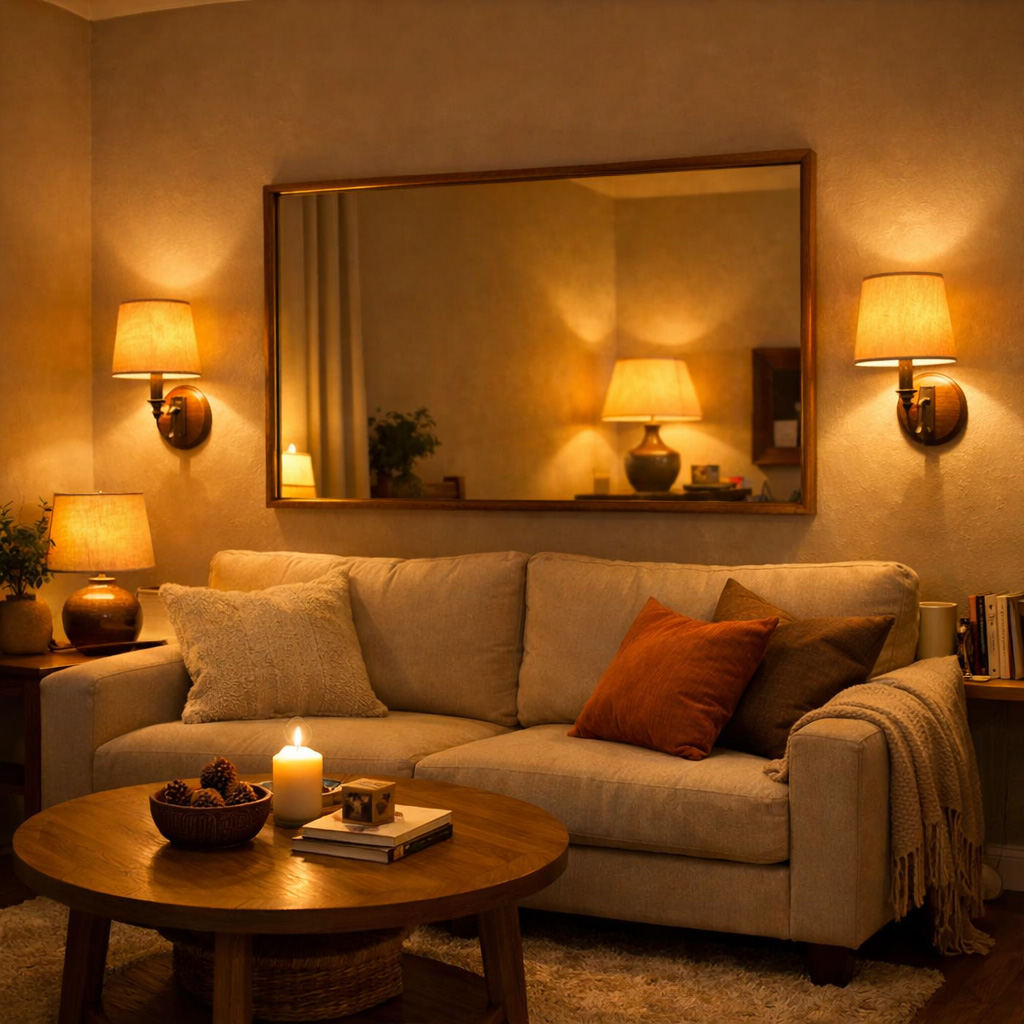
Mirrors placed near lamps or wall lights help reflect light and visually expand the space.
Avoid cool white bulbs in small rooms. They make walls feel flat and cold. Warm light adds depth and softness, even when brightness is lower.
If your living room feels gloomy despite enough lights, the issue is usually direction, not power.
Common Living Room Lighting Mistakes (And Easy Fixes)
Most living room lighting problems come down to a few repeat mistakes.
Mistake 1: One ceiling light does everything – Fix: Add lamps and accent lighting at different heights.
Mistake 2: Lights are too bright in the evening – Fix: Use dimmers or lower output bulbs for night time use.
Mistake 3: All bulbs are the same colour temperature – Fix: Keep colour temperature consistent and warm for relaxation.
Mistake 4: Dark corners are ignored – Fix: Add a floor lamp or wall light to balance the room.
Mistake 5: Decorative lights cause glare – Fix: Choose shaded or diffused fittings, especially near seating.
Solving just one of these often transforms how a room feels at night

Tips for Smart and Dimmable Lighting
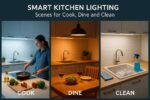
Smart controls make it easy to set scenes for relaxation, entertainment, or reading.
- Use smart LED bulbs to adjust brightness and colour temperature.
- Create pre-set scenes for “movie night” or “evening unwind.”
- Install dimmer switches for more control and energy efficiency.
External Link: Energy Saving Trust – Lighting Advice

2026 Living Room Lighting Trends
Living room lighting trends for 2025 focus less on statement fixtures and more on atmosphere.
Key themes include:
- layered lighting over single focal points
- warm minimalism with soft shadows
- natural materials paired with subtle LEDs
- smart lighting scenes that adapt throughout the day
Integrated lighting, hidden strips, and textured finishes are replacing oversized feature lights in many homes.
The most stylish living rooms are no longer the brightest ones, but the most balanced.

FAQs
Q1: What colour temperature is best for living rooms?
Warm white (2700K–3000K) creates a relaxing and welcoming feel.
Q2: How can I make a small living room feel brighter?
Layer light sources and use mirrors to reflect light. Add wall sconces to lift dark corners.
Q3: Should I use downlights or lamps?
Both – downlights for overall light and lamps for comfort and flexibility.
Q4: Can I mix modern and classic fixtures?
Yes, mixing styles adds personality – just keep the colour temperature consistent.
Final Thoughts
A well-planned living room lighting guide blends comfort and style through layered design. Combine ambient, task, and accent lighting for a versatile space that adapts to every mood.
For more ideas across your home, explore our [Complete Guide to Choosing the Right Lighting for Every Room →] and discover how LightGuru helps you bring warmth and brilliance to every space.