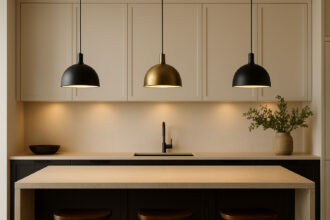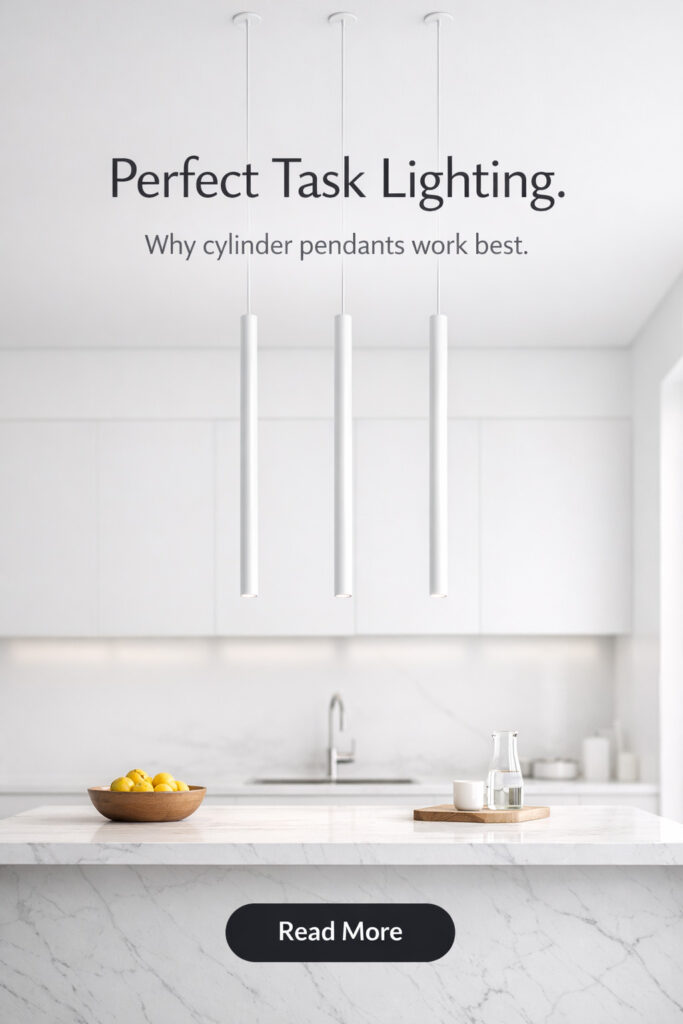
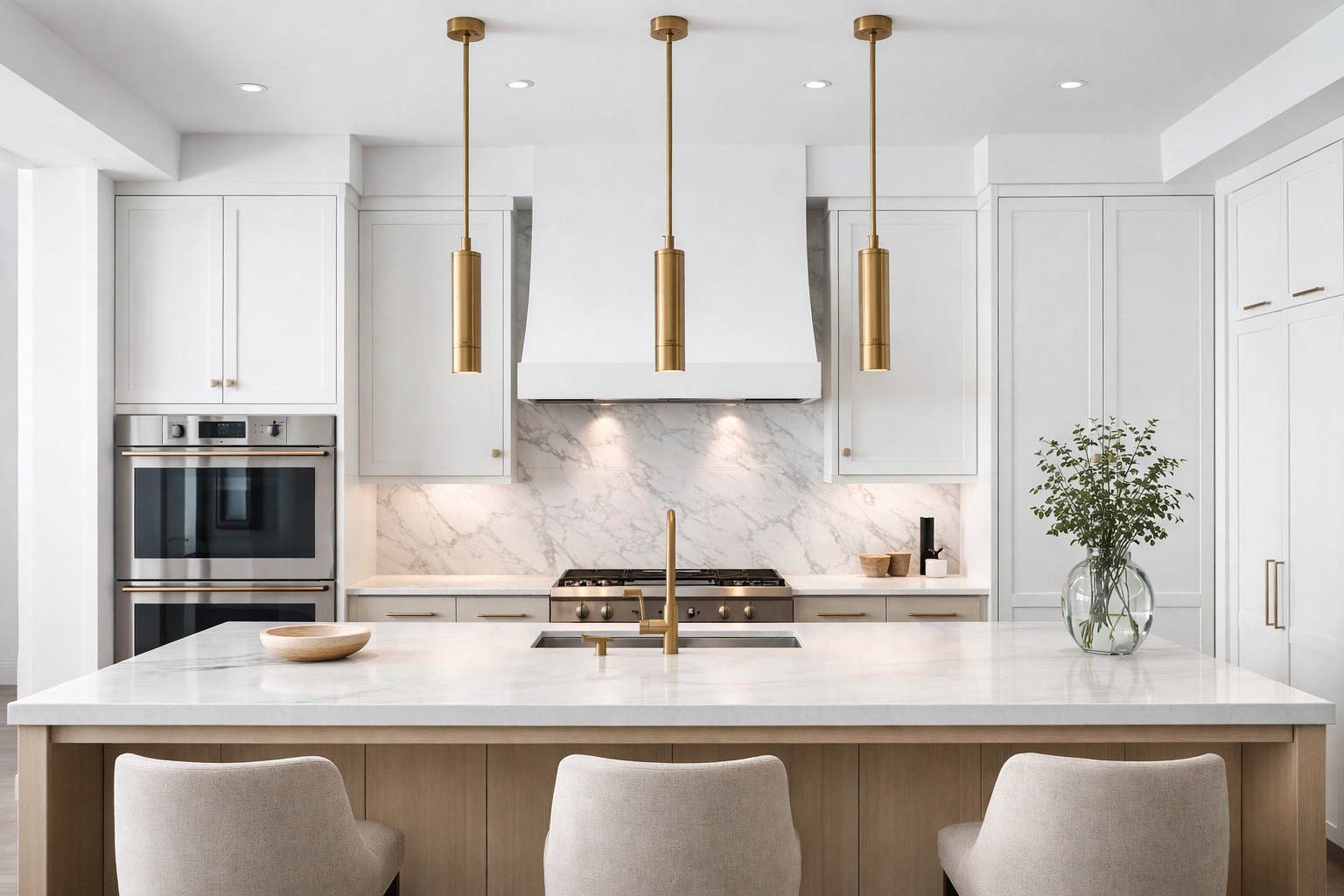
Oversized chandeliers are quietly disappearing from modern kitchens. In their place, designers and homeowners are choosing something far more deliberate: slim cylinder pendant lights that illuminate the work surface without overwhelming the space.
Also known as tubular pendants, these narrow fixtures have become a go to choice for kitchen islands because they strike a rare balance between form and function. They deliver precise, chef friendly task lighting while keeping sightlines open and kitchens feeling calm, architectural, and uncluttered.
What makes them especially appealing is their versatility. The same simple tube can feel industrial, luxurious, organic, or ultra modern depending on its finish and material.
In this guide, you will discover the full range of cylinder pendant styles available today, learn why they outperform bulkier pendants for task lighting, and understand exactly how to space and hang them for a kitchen that looks as good as it works.
Table of Contents
The Functional Edge: Why Chefs Love Solid Cylinders
Before getting into design, it is important to understand why cylinder pendants work so well in kitchens.
When you choose a solid metal cylinder, meaning an opaque material where light does not pass through the sides, you are effectively installing a refined spotlight above your island. Unlike globe or fabric shades that spread light in every direction, a solid cylinder concentrates its output directly downward.
This is known as directional task lighting.
For a working kitchen island used for chopping, prepping, reading recipes, or plating food, this focused beam is ideal. The narrow shape delivers light exactly where it is needed, creating defined pools of brightness on the countertop without washing out the rest of the room.
This makes prep work safer, reduces eye strain, and keeps the surrounding space visually calm rather than overlit.
Pro Tip: Watch Your Beam Angle. Because cylinder shades block light from the sides, the bulb you choose matters. Avoid narrow ‘spot’ bulbs (36°). Instead, use GU10 bulbs with a wide 60° beam angle. This ensures the pools of light overlap slightly on your worktop, preventing dark shadow gaps between the lights.”

From Task to Ambient: The Day-to-Night Transformation
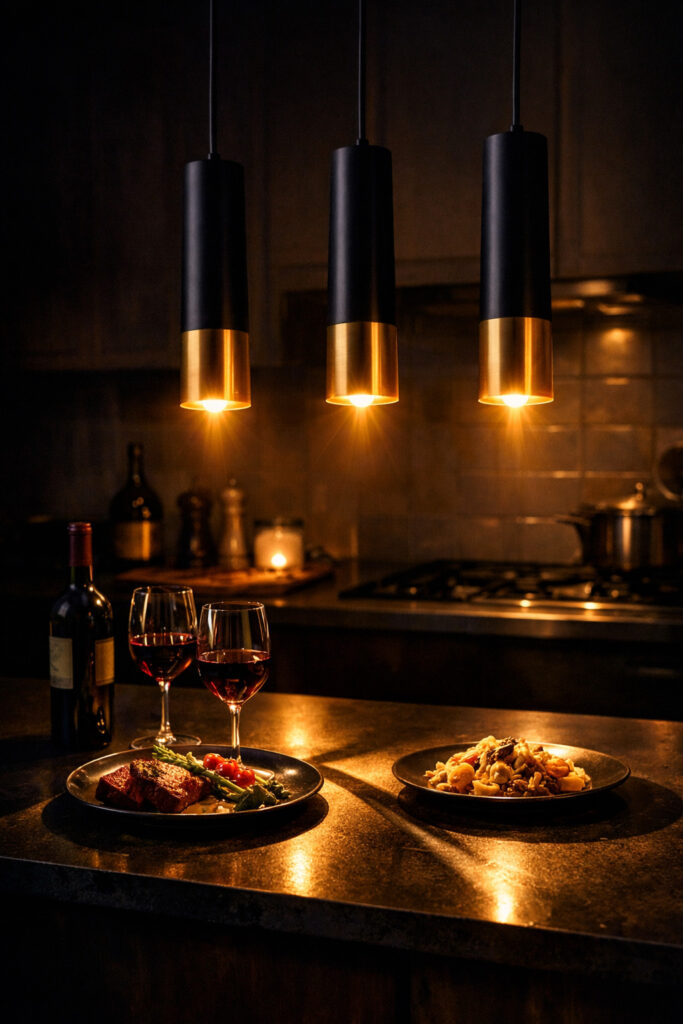
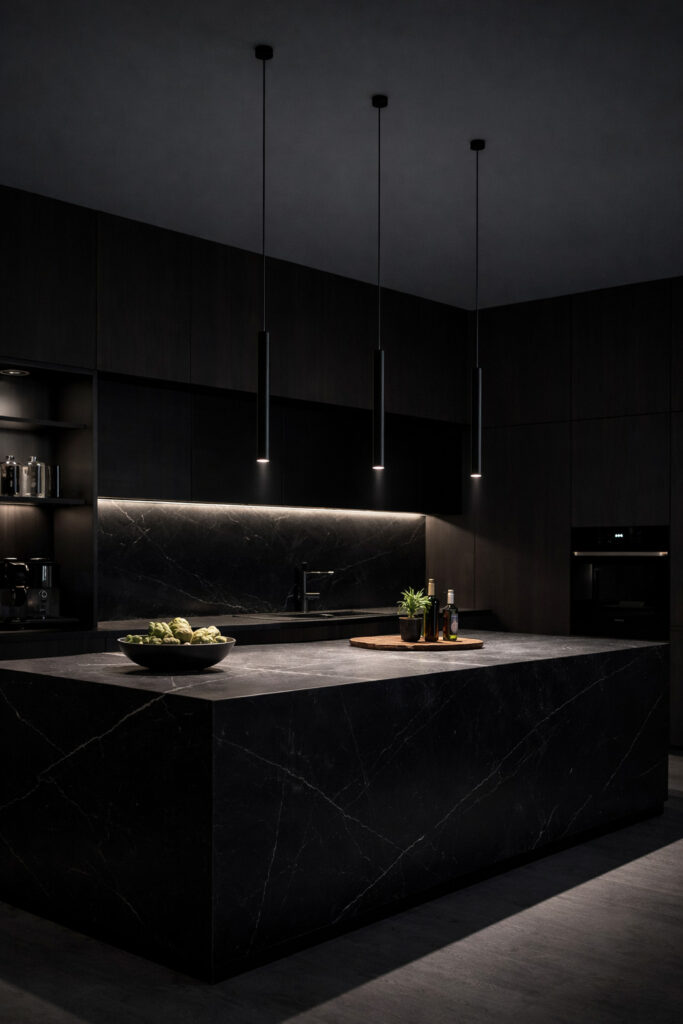
While solid cylinders are famous for their chef-friendly directional task lighting, their “hidden” superpower appears when the sun goes down. Because the metal shade blocks light from escaping sideways, they create intimate, focused pools of light that dramatically shift the room’s atmosphere.
Watch the timelapse below to see how these pendants transition from a bright daytime workspace to a moody evening entertaining area:
This versatility is why we call them the “minimalist’s guide to task lighting”—they serve two distinct functions without you having to change a thing.
Design Options: A Menu of Possibilities
The tube shape itself may be simple, but the finish, material, and detailing completely change its personality. Below is a clear menu of the most popular cylinder pendant styles and how they affect the look and feel of your kitchen.
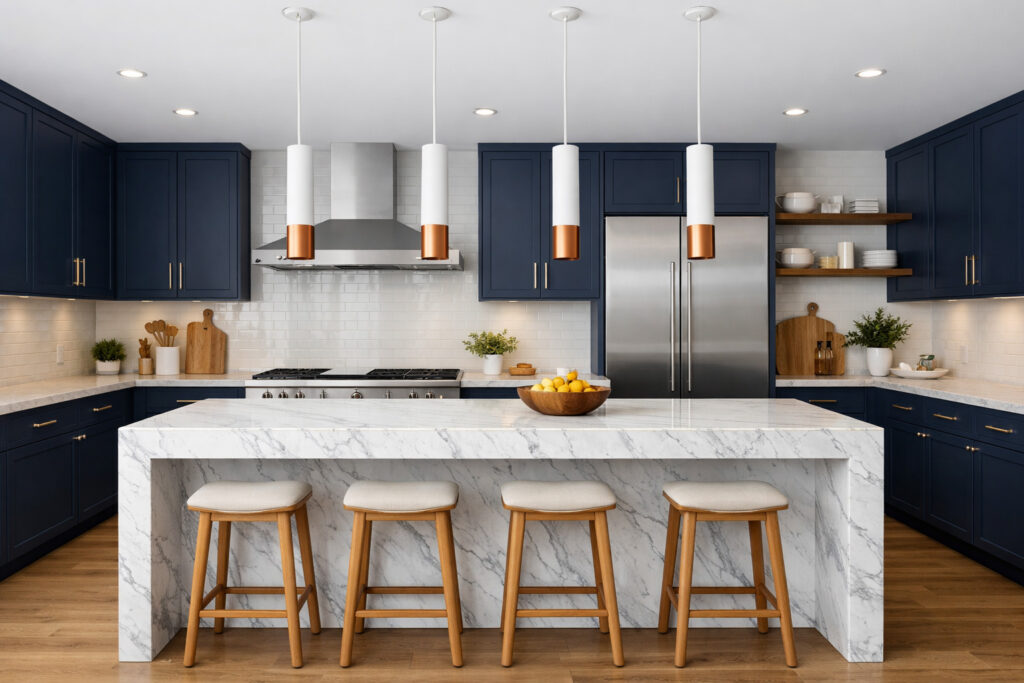
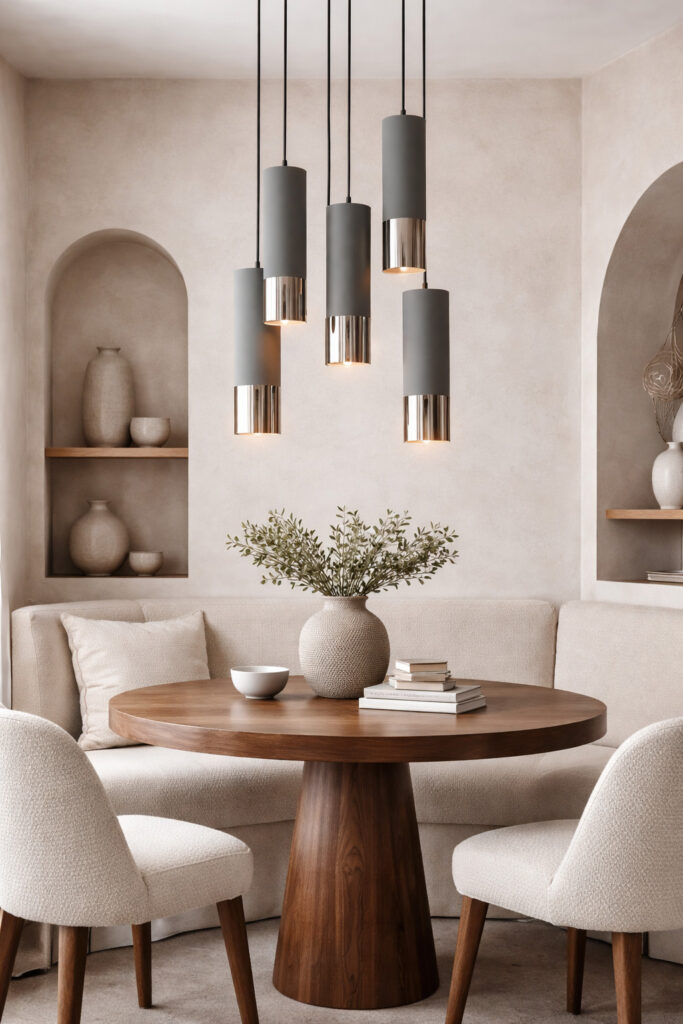
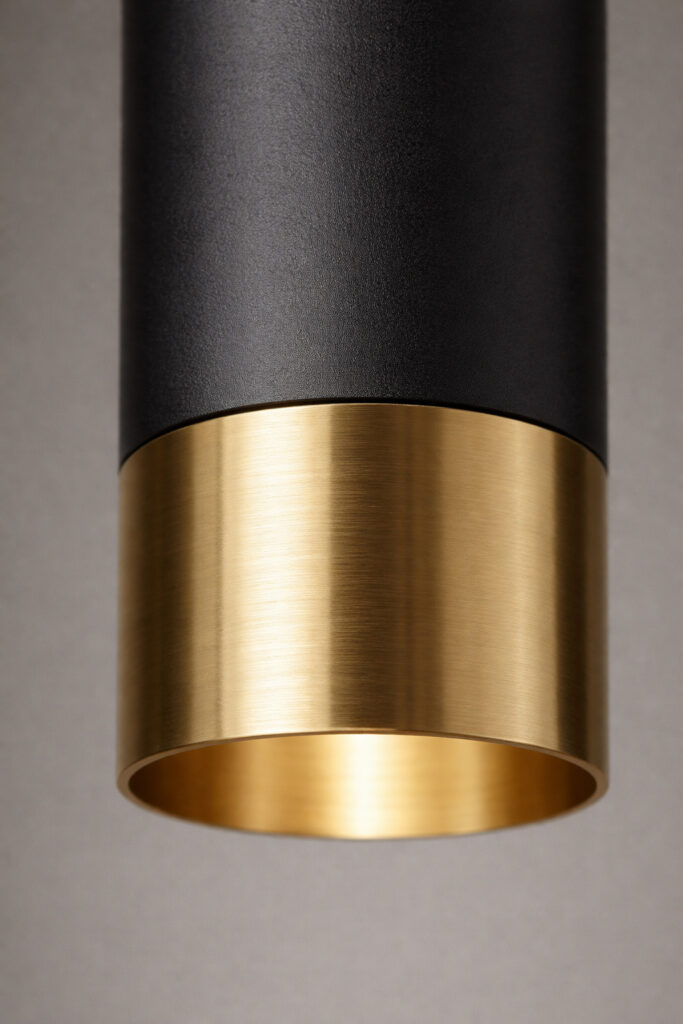
1. Dip Dye and Mixed Materials
One of the easiest ways to elevate a minimal cylinder is with a two tone or mixed material finish.
The look
A matte black or white body with a brushed brass, copper, or bronze accent at the base.
Why it works
This approach ties the lighting into taps, handles, or appliance trims while keeping the main body understated. It adds warmth and a sense of luxury without becoming flashy or dominant.
Best for modern kitchens that want a subtle premium touch.
2. Knurled and Textured Metal
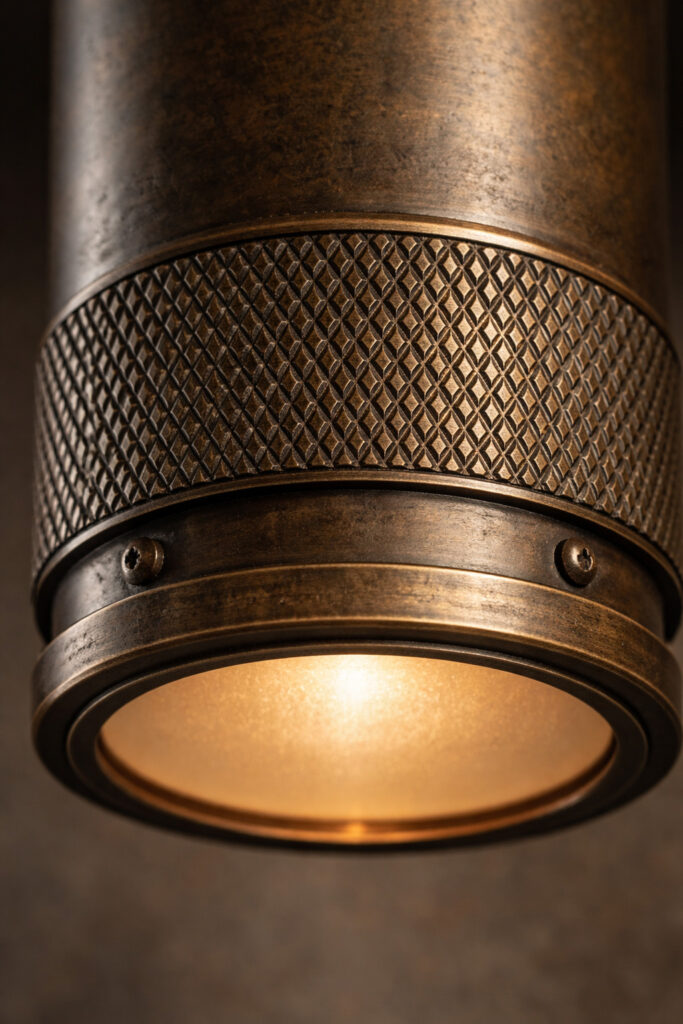
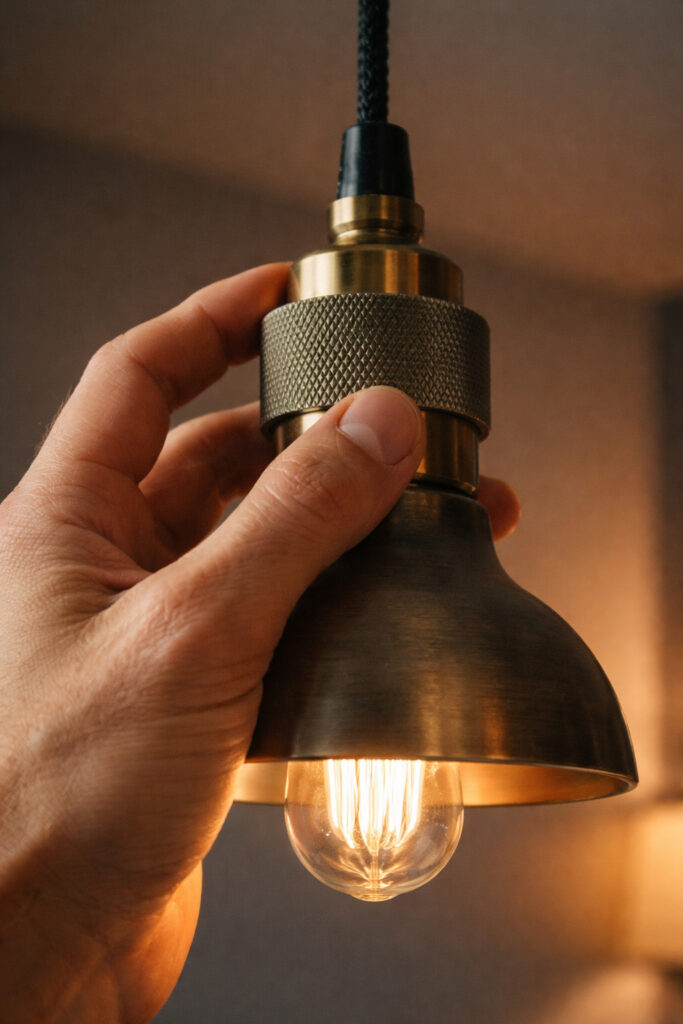
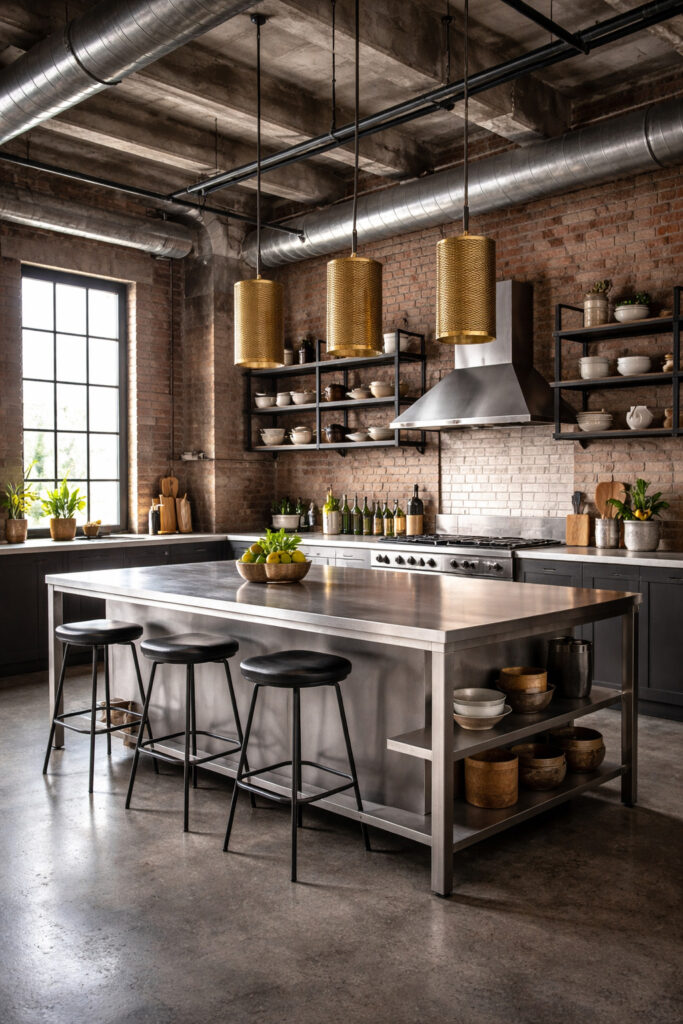
For a more industrial or high end technical aesthetic, textured cylinders are a standout choice.
The look
Solid brass or metal pendants with diamond cut or cross hatch detailing near the base or socket.
Why it works
The texture catches light beautifully and introduces a tactile, engineered feel. These pendants feel weighty and intentional, making them ideal for industrial, loft style, or masculine interiors.
They also photograph exceptionally well, which is a bonus for design led homes.
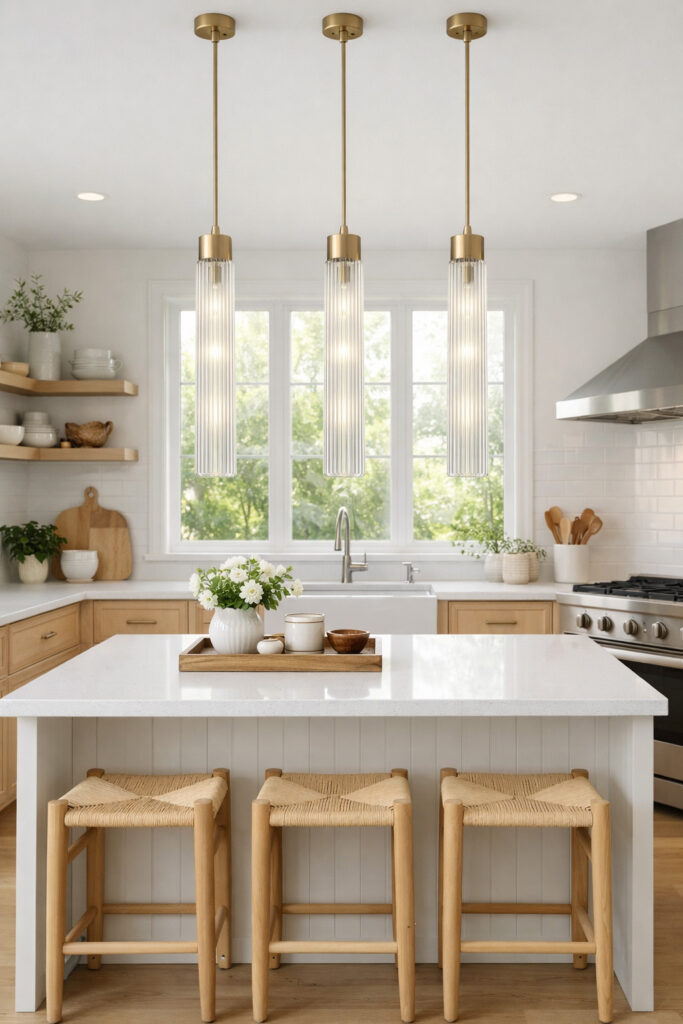
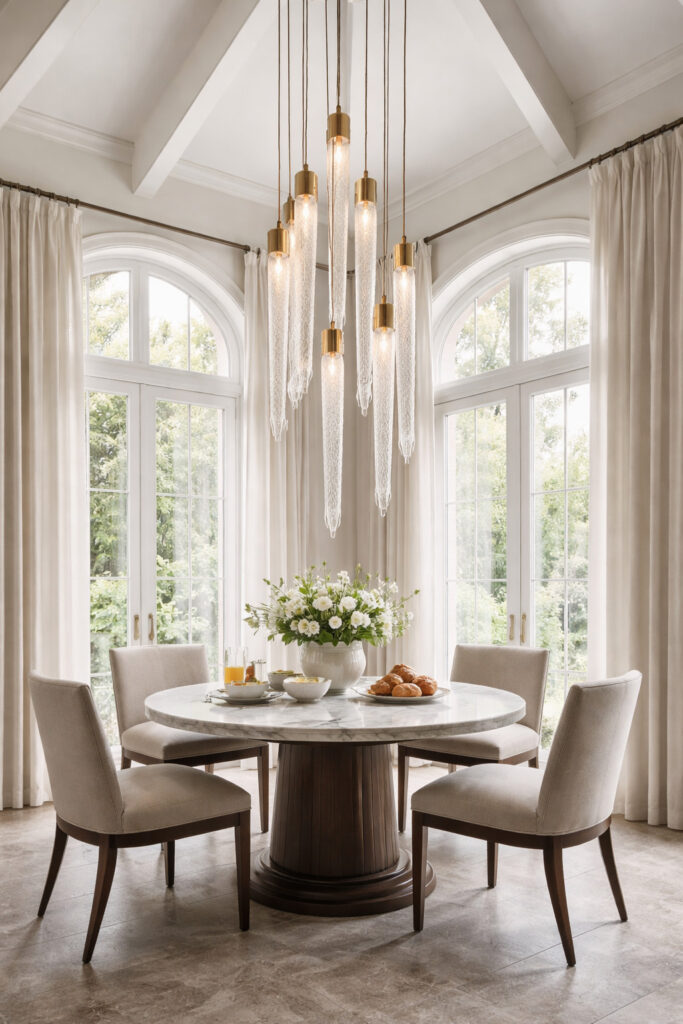
3. Fluted Glass Tubes
If solid metal feels too heavy or dark, fluted glass cylinder pendants offer a softer alternative and are a major design trend moving into 2025.
The look
Ribbed glass tubes that resemble vertical columns of water or vintage architectural glass.
The effect
Unlike metal, glass allows light to escape around the fixture, creating a gentle ambient glow as well as downward illumination.
Best for
Smaller kitchens or open plan spaces where maintaining a light, airy feel is important.


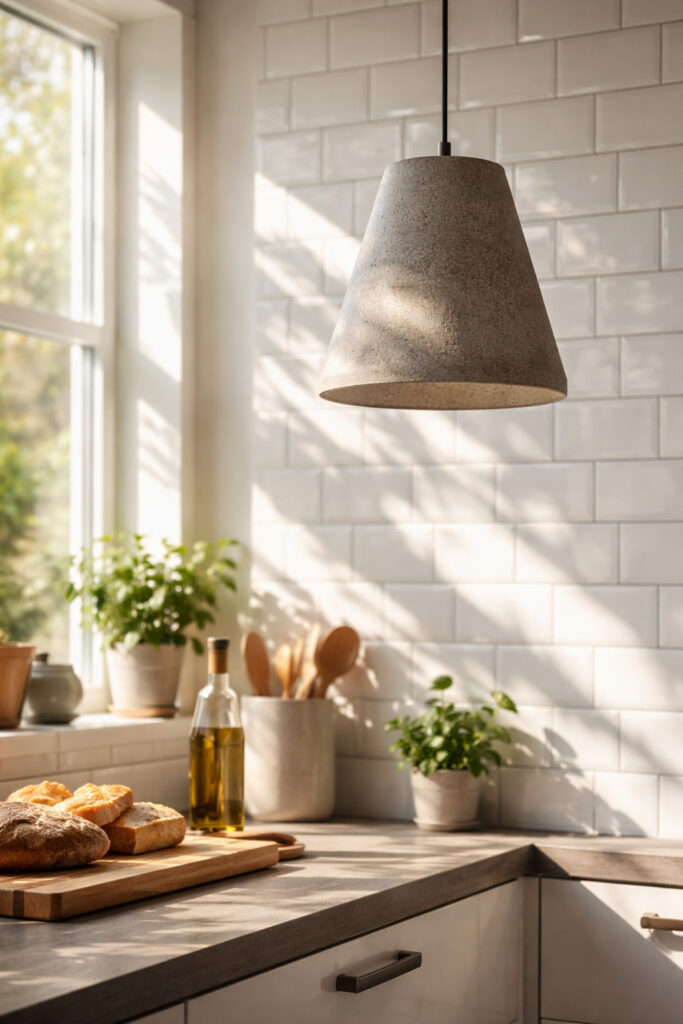
4. Concrete and Stone Cylinders
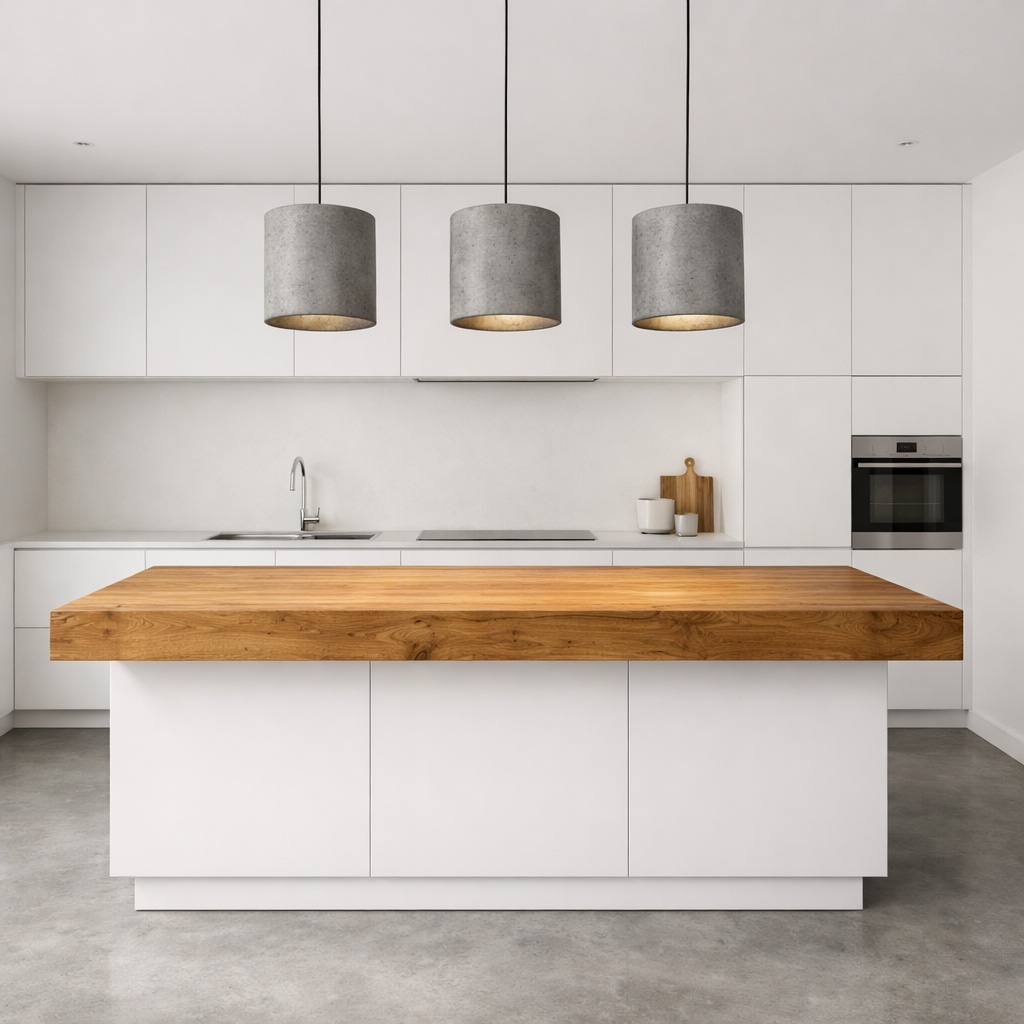
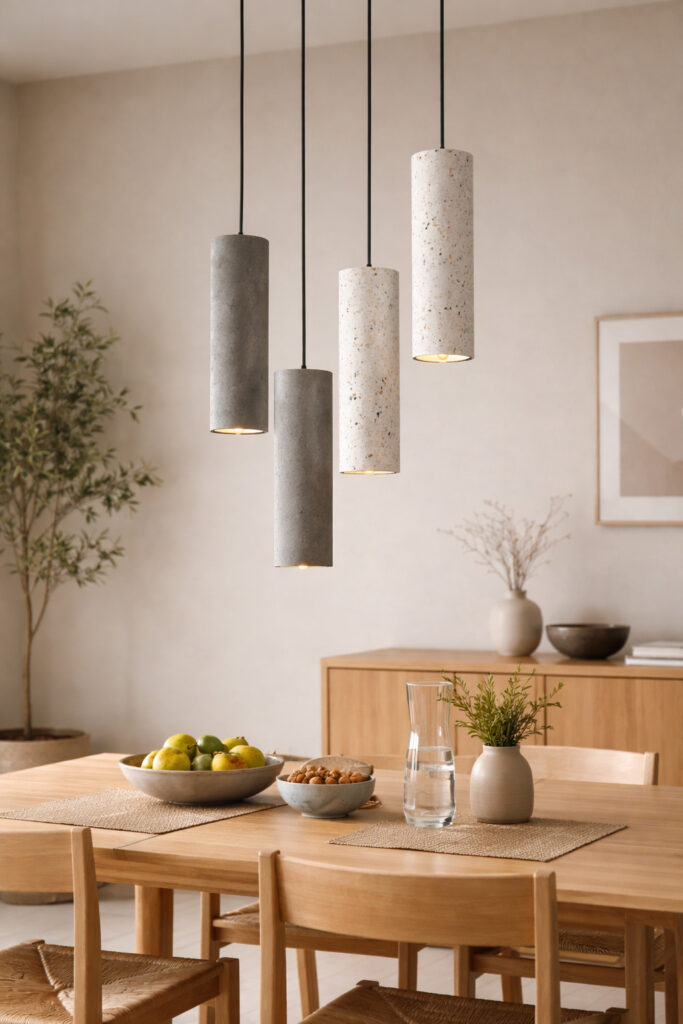
For kitchens that lean organic, raw, or architectural, concrete and stone finishes bring depth and texture.
The look
Cast concrete or stone effect cylinders in grey, white, or terrazzo finishes.
Why it works
These materials add warmth through imperfection. Their matte, tactile surfaces contrast beautifully with glossy quartz worktops, sleek cabinetry, or stainless steel appliances.
Ideal for contemporary, brutalist, or Scandinavian inspired kitchens.
5. The Stick or Needle Pendant
This is the most minimal interpretation of the cylinder pendant.
The look
Extremely thin vertical lights, sometimes only a few centimetres wide, often using integrated LED technology.
Why it works
They are visually almost invisible when switched off. This makes them perfect for kitchens with windows, views, or architectural features you do not want to interrupt.
Best for ultra modern and design led spaces where restraint is key.
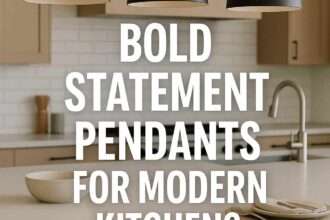
Looking for something with more presence? If slim cylinders feel too quiet for your space, a bold statement pendant may be a better fit.


If you want your lighting to be a visual centrepiece rather than a subtle architectural feature, explore our guide to bold statement pendants for modern kitchens to see when larger, more expressive fixtures make sense.
Styling Your Layout: Rows vs Clusters
One of the advantages of cylinder pendants is their flexibility in layout. Their narrow profile allows arrangements that would feel crowded with wider shades.
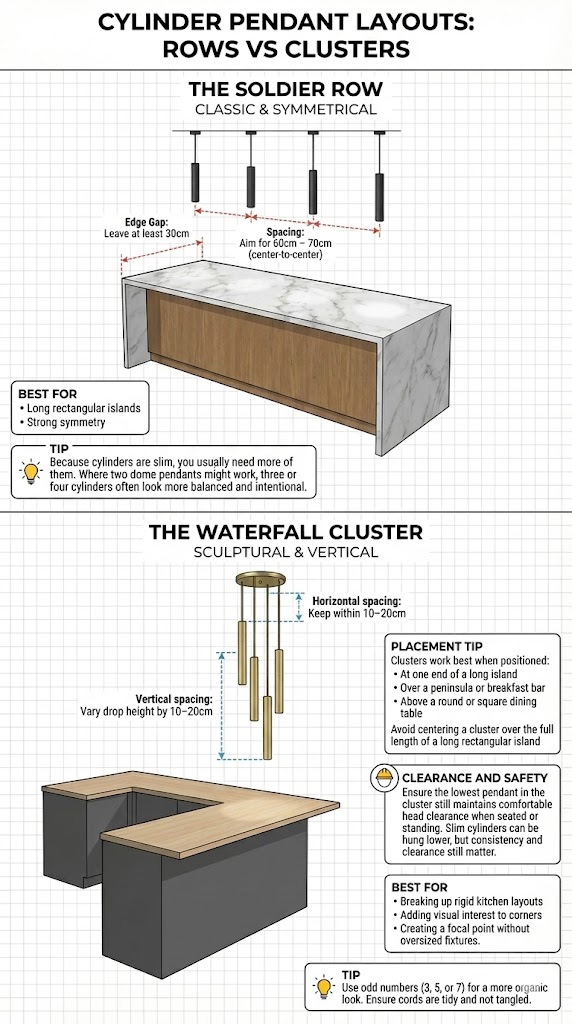
The Soldier Row
This is the classic approach: evenly spaced pendants in a straight line along the island.
Spacing Rule of Thumb: Since cylinder pendants are slim (often 5-8cm wide), they look best when grouped closer together than large domes.
- Spacing: Aim for 60cm – 70cm apart (center-to-center).
- Edge Gap: Leave at least 30cm from the edge of the island to the first light to prevent head knocks.
Best for
Long rectangular islands and kitchens with strong symmetry.
Tip
Because cylinders are slim, you usually need more of them. Where two dome pendants might work, three or four cylinders often look more balanced and intentional.
We explore this in detail in our guide comparing two vs three pendants over a kitchen island, with visual examples and practical spacing advice.
The Waterfall Cluster
This approach groups multiple cylinder pendants together and staggers them at different heights, creating a vertical, sculptural effect rather than a straight line.
Spacing Rule of Thumb
Because the pendants are slim, clusters should feel cohesive rather than spread out.
Horizontal spacing: Keep each pendant within 10–20cm of the next when measured at ceiling level.
Vertical spacing: Vary the drop height by 10–20cm between each pendant to create a clear stepped or cascading effect.
Placement Tip
Clusters work best when positioned:
- at one end of a long island
- over a peninsula or breakfast bar
- above a round or square dining table
Avoid centering a cluster over the full length of a long rectangular island, as it can look visually unbalanced.
Clearance and Safety
Ensure the lowest pendant in the cluster still maintains comfortable head clearance when seated or standing. Slim cylinders can be hung lower than wide shades, but consistency and clearance still matter.
Best for
Breaking up rigid kitchen layouts, adding visual interest to corners, or creating a focal point without using oversized fixtures.
Tip
Odd numbers usually look best. A group of three or five cylinders feels more natural and intentional than even numbered clusters.
Technical Placement: The Glare Factor
Cylinder pendants have one specific consideration that should not be overlooked: glare.
Because many designs have an open bottom with the bulb visible, they can cause discomfort if hung too high or if the light source is exposed.
Key rule
Either hang cylinders slightly lower than traditional shaded pendants, or choose designs where the bulb or LED is recessed deep inside the tube.
The goal
You should see the light hitting the surface, not the bulb itself.
Getting this right makes the difference between a kitchen that feels sharp and professional and one that feels harsh or uncomfortable.
See our full guide on how high to hang kitchen island pendant lights, including recommended distances from the worktop.
Safety Considerations for Cylinder Pendant Lights
While cylinder pendants are visually minimal, they still need to meet the practical safety demands of a busy kitchen. A few simple checks will ensure your lighting looks good and performs safely for years to come.

1. Heat and Bulb Choice
Some solid metal cylinder pendants can trap heat, especially when paired with traditional halogen bulbs.
Best practice
Choose LED bulbs or integrated LED fittings wherever possible. LEDs run significantly cooler, reduce fire risk, and prevent heat build up inside narrow metal tubes.
If the pendant uses a replaceable bulb, always check the manufacturer’s maximum wattage rating and never exceed it.
2. Moisture and Steam Exposure
Kitchens produce steam, grease, and airborne moisture, particularly around hobs and sinks.
What to look for
If pendants are installed near cooking zones, select fittings with suitable ingress protection or sealed construction. While most island pendants do not require a high IP rating, enclosed or well finished designs are more resilient over time.
Avoid exposed wiring or open lamp holders in areas prone to splashes or heavy steam.
3. Clearance and Head Height
Cylinder pendants are often slimmer and hung lower than traditional shades, which makes correct clearance essential.
Safety guideline
Ensure pendants are high enough to avoid head knocks when standing or sitting at the island, but low enough to prevent glare. A consistent hanging height across all fittings also reduces visual distraction and accidental contact.
This is especially important in family kitchens where children may be present.
3. Electrical Installation
Even simple pendant lights should always be installed correctly.
Important note
Electrical work should be carried out by a qualified electrician who can ensure safe wiring, correct load capacity, and compliance with local regulations.
This not only protects your home but also preserves warranties and insurance coverage.
4. Diffusers and Eye Comfort
Some ultra slim cylinder designs expose the light source directly, which can cause discomfort over time.
Safer option
Look for pendants with recessed LEDs, anti glare lenses, or internal diffusers. These features soften the light output and make the kitchen more comfortable for everyday use.
5. Why This Matters
A well chosen cylinder pendant should feel effortless, not distracting or hazardous. Paying attention to heat, moisture, glare, and installation ensures your lighting supports how your kitchen is actually used, not just how it looks.
When safety and design work together, the result is a kitchen that feels calm, functional, and genuinely enjoyable to spend time in.
Frequently Asked Questions About Cylinder Pendant Lights
Are cylinder pendant lights bright enough for a kitchen island?
Yes, when specified correctly. Solid metal cylinder pendants are designed for directional task lighting, meaning they focus light directly onto the work surface. For best results, choose LED bulbs or integrated LEDs with sufficient lumen output and use multiple pendants rather than relying on a single fixture.
How many cylinder pendants should I hang over a kitchen island?
Because cylinder pendants are slim, you usually need more of them than wider dome or globe lights.
> Small islands typically suit two to three pendants
> Medium to large islands often look best with three to four
Spacing and island length matter more than the exact number.
What is the ideal spacing for cylinder pendant lights?
A general rule is to space cylinder pendants around 60cm to 70cm apart, measured center to center. Always leave at least 30cm from the edge of the island to the first pendant to maintain comfort and avoid head knocks.
Can I use cylinder pendants in a small kitchen?
Yes. In fact, cylinder pendants are often better than wide shades in smaller kitchens because they keep sightlines open and reduce visual clutter. Glass or fluted designs work especially well in compact spaces where you want light to feel airy.
Do cylinder pendant lights cause glare?
They can if the bulb is exposed or the pendant is hung too high. To avoid glare, choose designs with recessed bulbs, diffusers, or anti glare lenses, and hang them at a height where the light is directed onto the surface rather than into your eyes.
Are cylinder pendant lights safe above a hob or sink?
They can be, but placement matters. If pendants are near steam, grease, or splashes, choose well finished fittings and LED light sources that run cool. Avoid open bulb designs directly above cooking zones, and always follow manufacturer guidance.
Conclusion
Cylinder and tubular pendant lights are one of the most versatile tools in modern kitchen design. They can disappear into the architecture or become a refined statement, deliver focused task lighting or a soft ambient glow, and suit styles ranging from industrial to minimalist luxury.
Whether you choose knurled brass, raw concrete, or fluted glass, these slim fixtures modernise a kitchen without dominating it.
Just remember that their narrow form means spacing and quantity matter. Get those details right, and your kitchen island will be as practical as it is visually striking.
UK Government Building Regulations (Part P)
NICEIC (UK electrical standards)