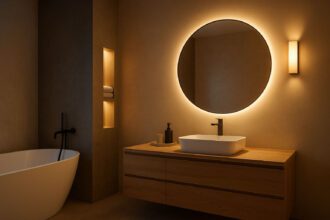

Bathroom wall lighting has become a popular choice for homeowners looking to create a softer and more balanced bathroom environment. When positioned correctly, wall lights help reduce harsh shadows and provide more even illumination, particularly around mirrors and basins where overhead lighting alone can feel uncomfortable.
A common concern with bathroom wall lighting is safety, especially around water zones and electrical regulations. This guide explains how wall lights can be used effectively in UK bathrooms, covering suitable placements, IP ratings, and practical design ideas that work in real homes.
This guide focuses on one specific aspect of bathroom lighting design. For full room planning, layout, and safety zones, see our complete Bathroom Lighting Guide.
Table of Contents
1. Why bathroom wall lighting works well
Wall lights sit closer to eye level than ceiling fittings, which makes them effective at softening shadows and improving visual comfort. In bathrooms, this is particularly useful around mirrors and basins where clear but gentle lighting is needed.
In recent UK bathroom refurbishments we have seen, wall lighting is often added after homeowners realise ceiling downlights alone feel too harsh in the evenings.
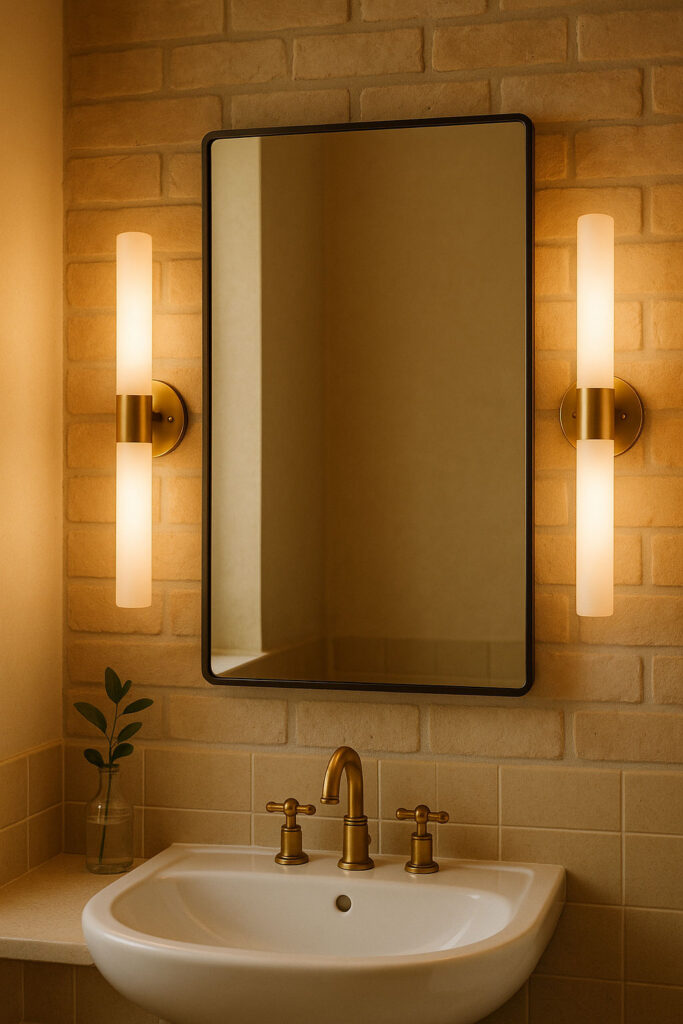
The ideal height for bathroom mirror lights is eye level:
Approx. 150–160cm from the floor
(for most UK adults)
This creates an even wash of light across your face and helps to eliminate the harsh shadows caused by ceiling-only lighting.
Why eye level works so well:
- Light spreads evenly across the face
- No shadows under the eyes or chin
- More flattering, natural appearance
- Safer for shaving and makeup
- Creates calm, hotel-like ambience
If installing two vertical sconces either side of the mirror, line them up so the centre of each light sits at eye height rather than the top or base.
Overhead bar lights
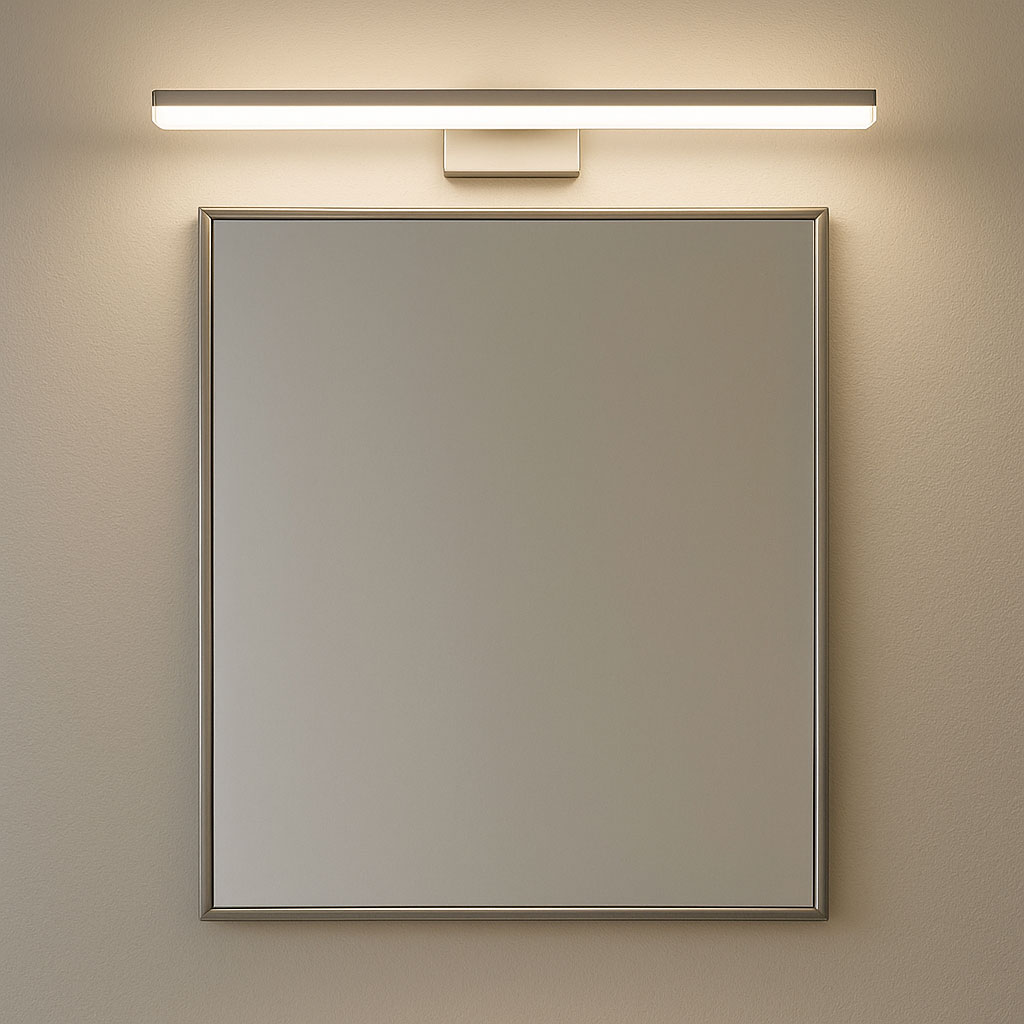
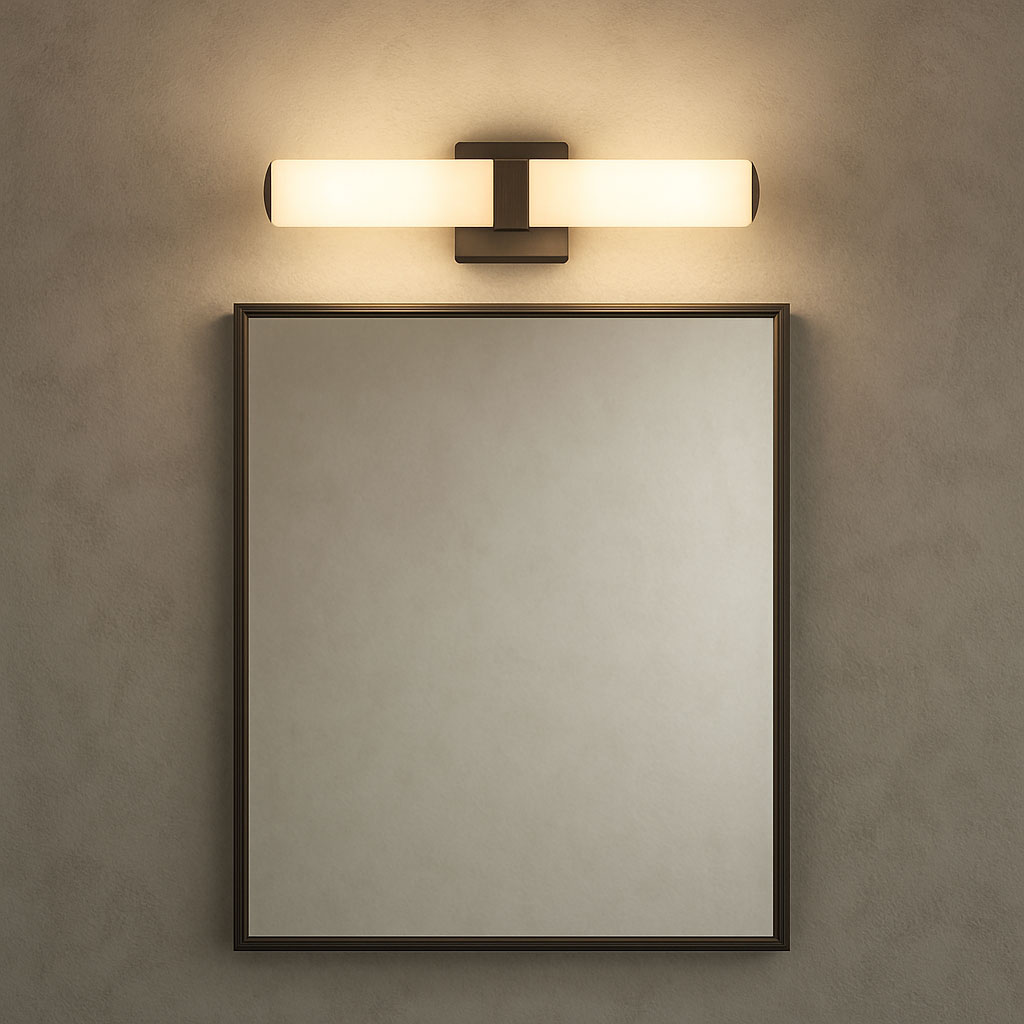
If placing a horizontal light above the mirror, the ideal height is:
- 5–10cm above the top edge of the mirror
- Mount between 180–200cm from the floor depending on ceiling height
This gives enough distance to avoid glare while still providing balanced task lighting.
For more layout inspiration, explore our bathroom lighting layouts guide.
/ideas/bathroom-lighting-layouts/
2. Side Lights vs Overhead Lights
Mirror lighting comes in two main styles:
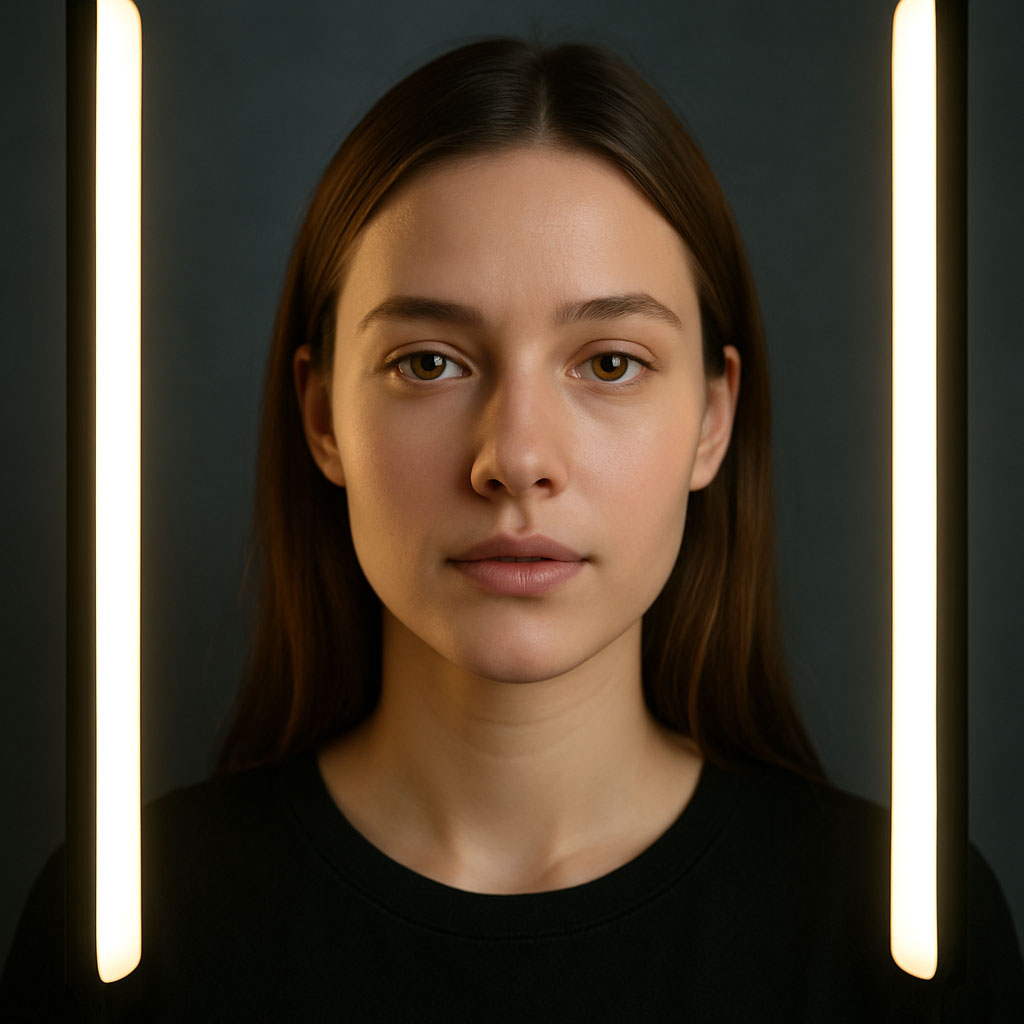
Side-mounted lights (best for flattering light)
Vertical sconces placed on each side of a mirror distribute light evenly across the face.
This is the setup used in hotels and high-end spas because it:
- Removes shadows
- Creates even illumination
- Looks stylish and symmetrical
Ideal for makeup, skincare and shaving.
Overhead lights (good for compact spaces)
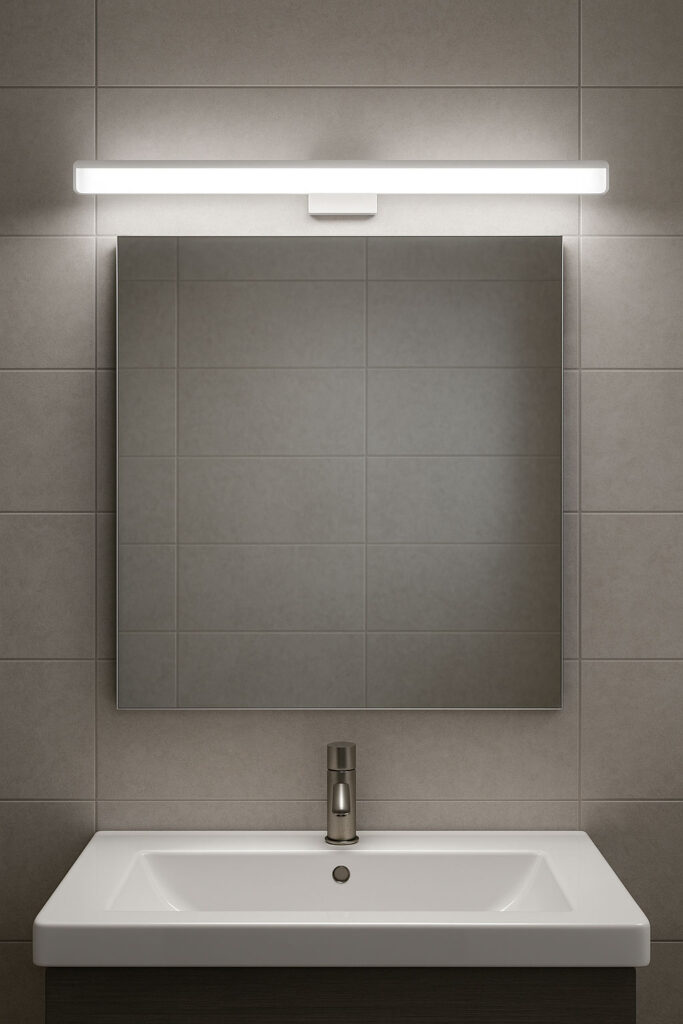
Perfect when there isn’t enough wall space for side lights.
To avoid harsh shadows:
- Use a diffuser
- Aim for warm 2700–3000K
- Keep height 5–10cm above the mirror
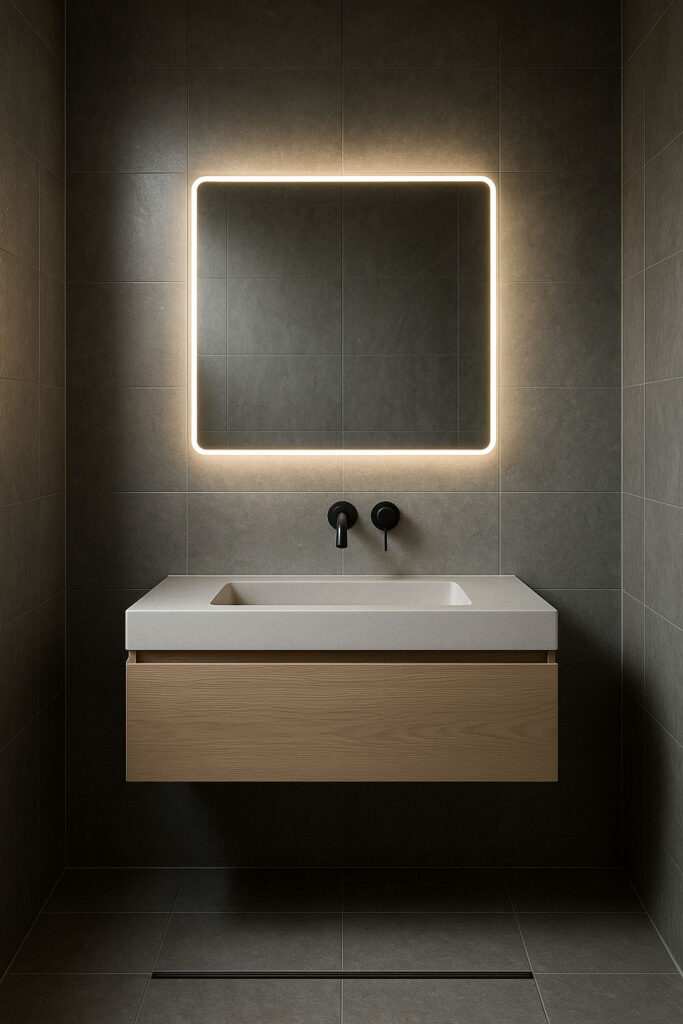
Backlit mirrors
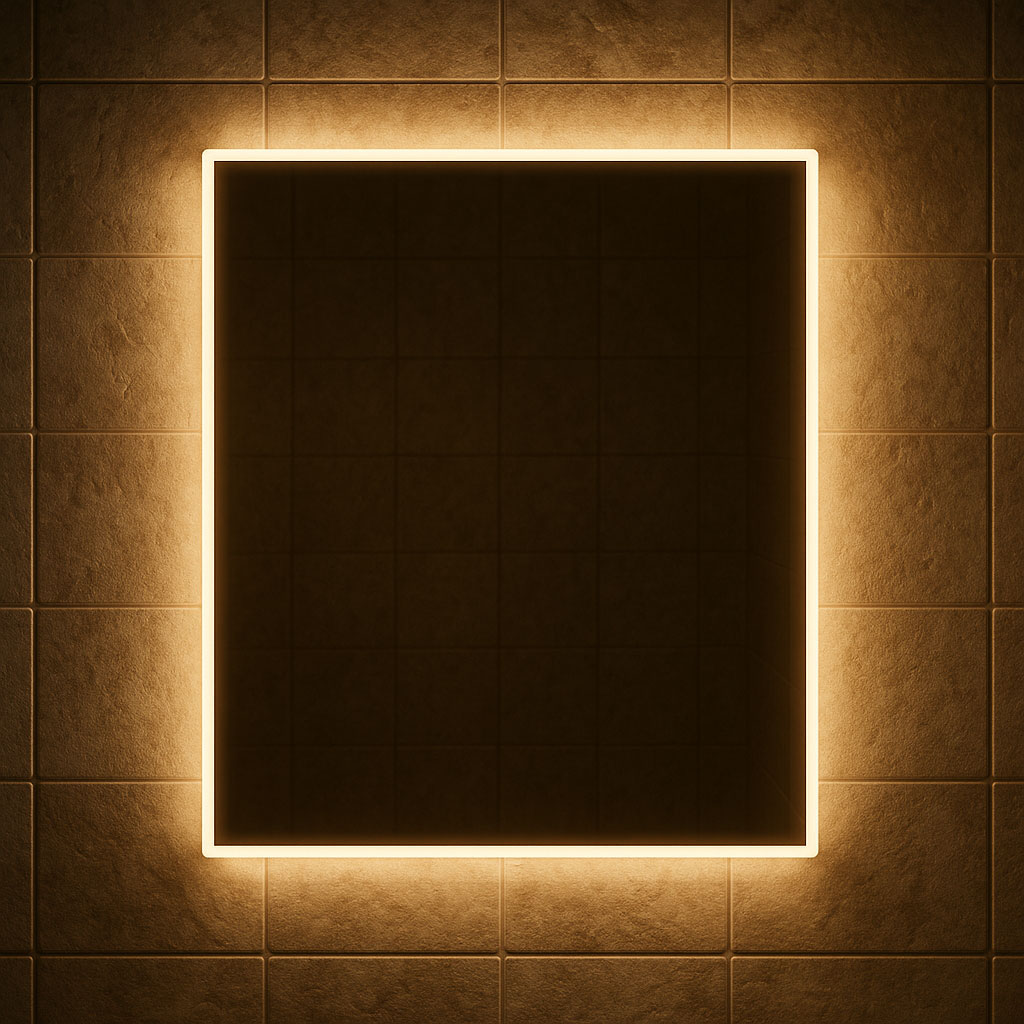
These produce a soft, even glow and can be paired with side sconces for a luxury look.
Not sure which tone suits your bathroom? Our warm vs cool lighting guide explains it simply.
> /guides/what-is-colour-temperature-warm-vs-cool-lighting/
3. Spacing Your Mirror Lights Correctly
Once height is sorted, spacing becomes the next piece of the puzzle.
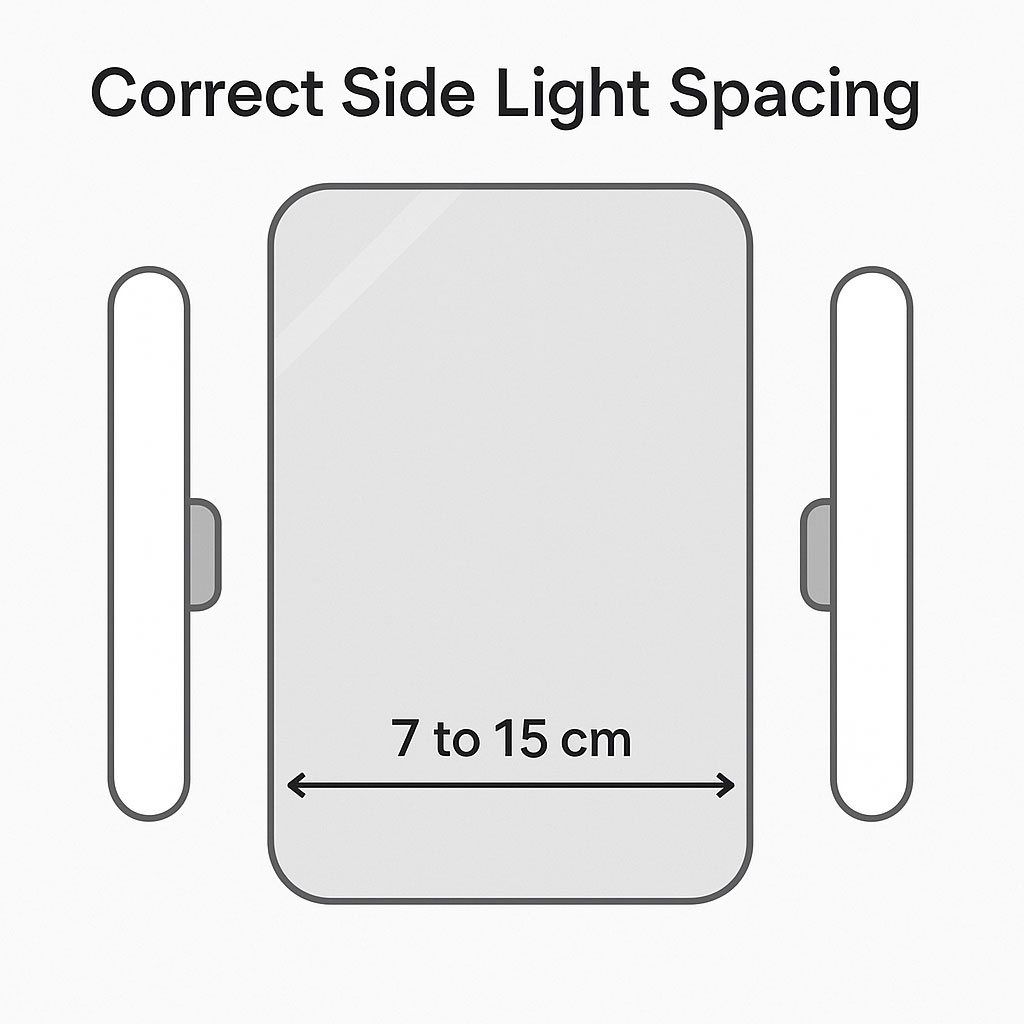
Side lights
Place lights 7–15cm from the mirror edge.
Why?
- Keeps lighting balanced
- Avoids harsh inward shadows
- Creates a clean, proportional look
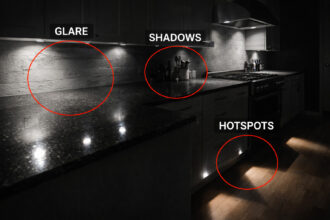
If lights are too close, they create hotspots.
Too far, and they lose their purpose.
Overhead lights
Centred above the mirror — not offset.
This prevents uneven lighting across the face.
Double mirrors or wide vanity
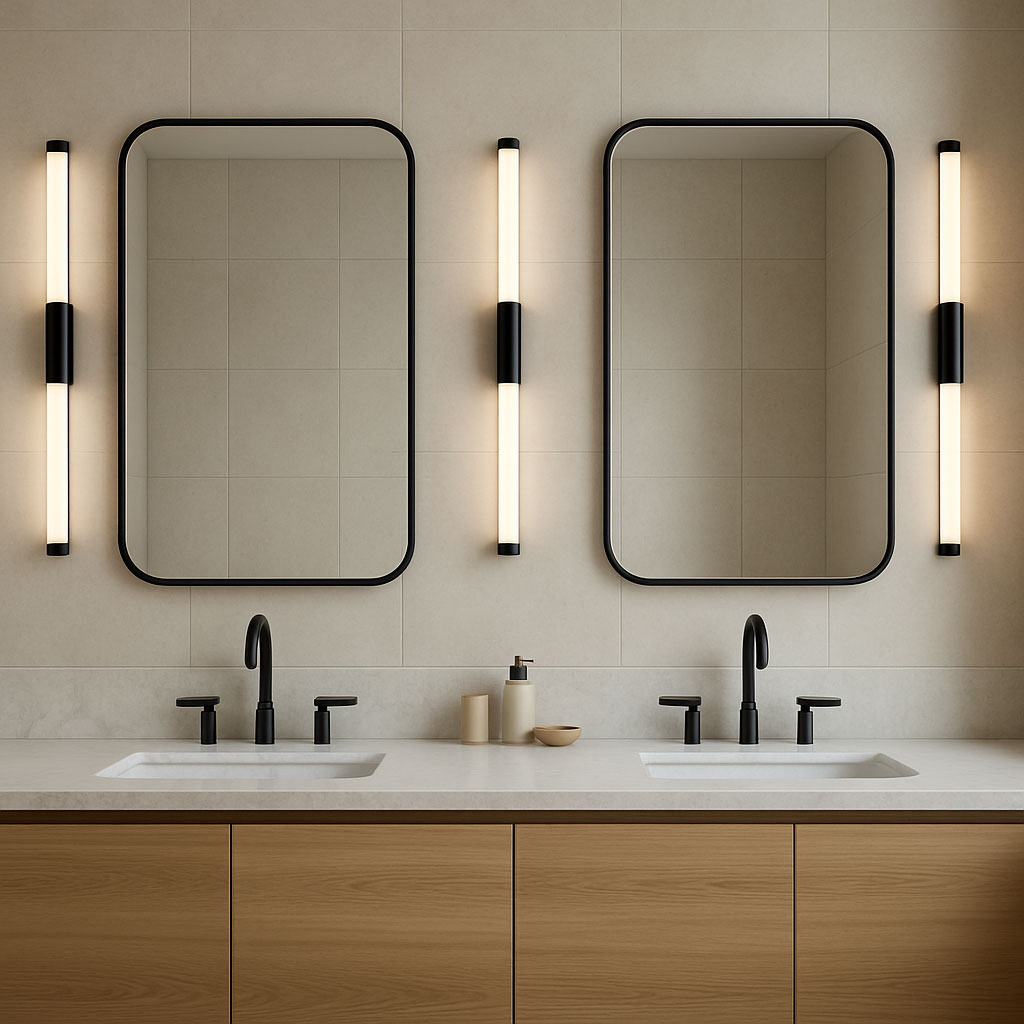
If you have a double mirror:
- One sconce between the mirrors
- One sconce on the outer sides
- Optional soft strip lighting beneath the vanity
For more ideas, see our bathroom mirror lighting inspiration guide (same tab).
> /ideas/bathroom-mirror-lighting/
4. Choosing Colour Temperature & Avoiding Shadows
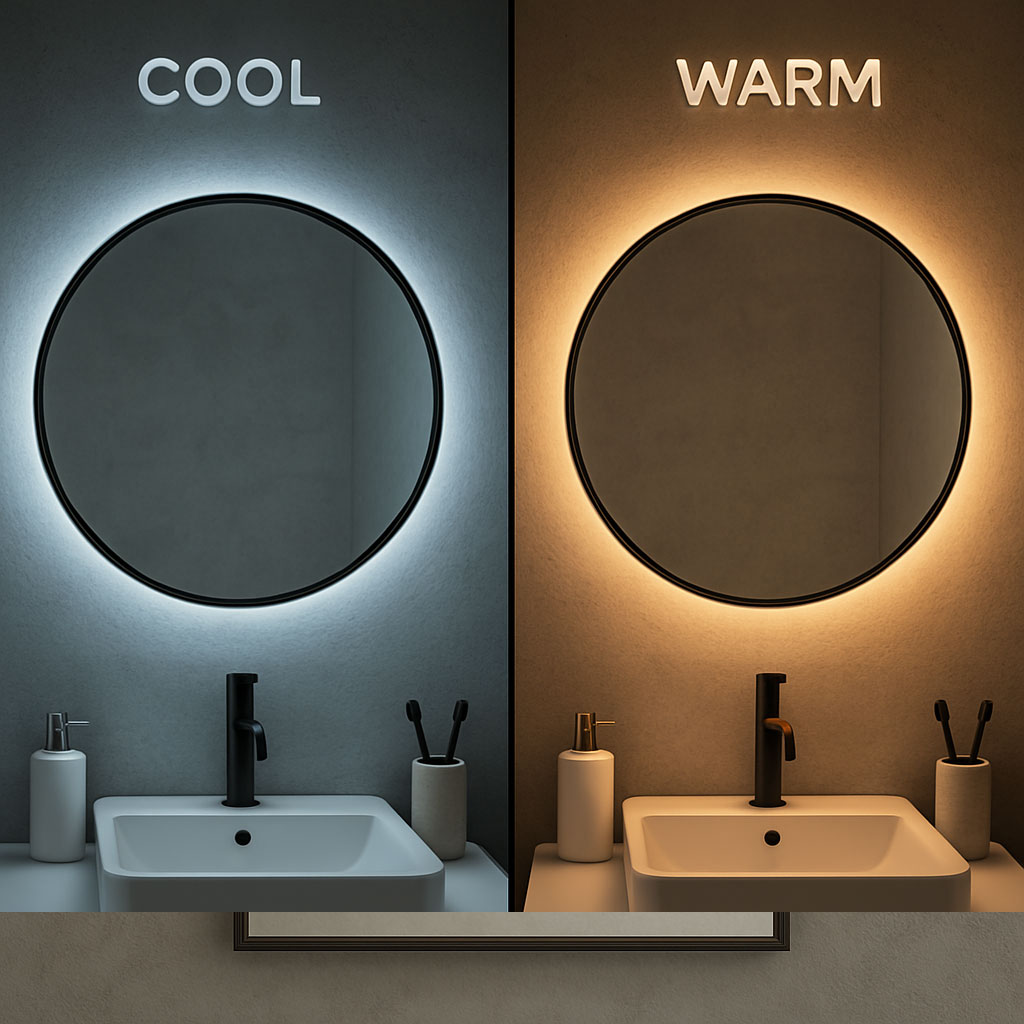
The right colour temperature makes a huge difference. Mirror lights that are too cool can make skin look grey or tired, while overly warm light may distort makeup colours.
Best colour temperatures for mirror lighting:
- 2700–3000K — warm, flattering, cosy
- 3000–3500K — clearer, natural, great for grooming
Avoid 4000K+ if you want a soft warm lighting feel.
Avoiding shadows
- Use diffused, frosted or opal fittings
- Combine with ceiling lights to reduce contrast
- Side sconces minimise harsh downward shadows
Avoid mixed colour temperatures
Stick to one tone throughout the bathroom for a cohesive look.
If choosing light colour feels confusing, our warm vs cool lighting guide breaks it down clearly.
> /guides/what-is-colour-temperature-warm-vs-cool-lighting/
This comparison highlights why side-mounted lights distribute illumination more evenly across the face than overhead fittings alone.
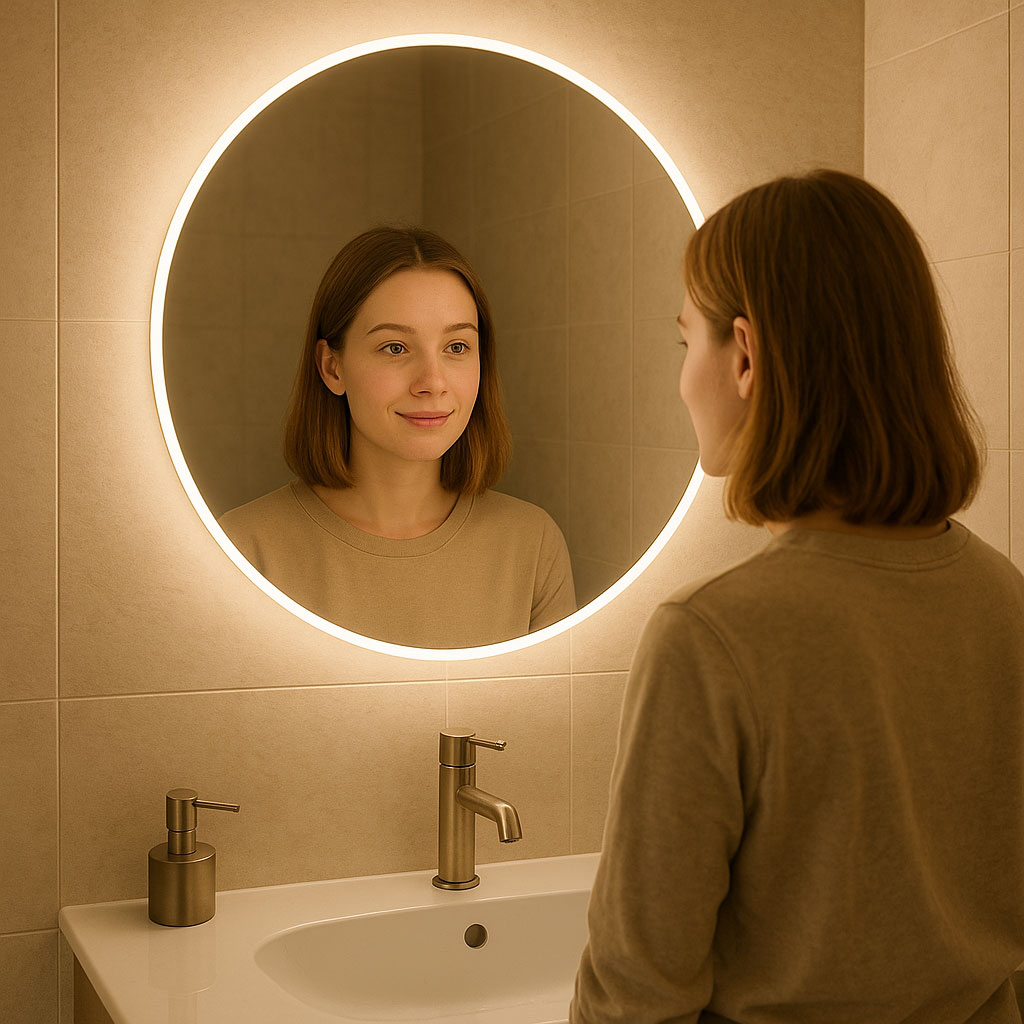
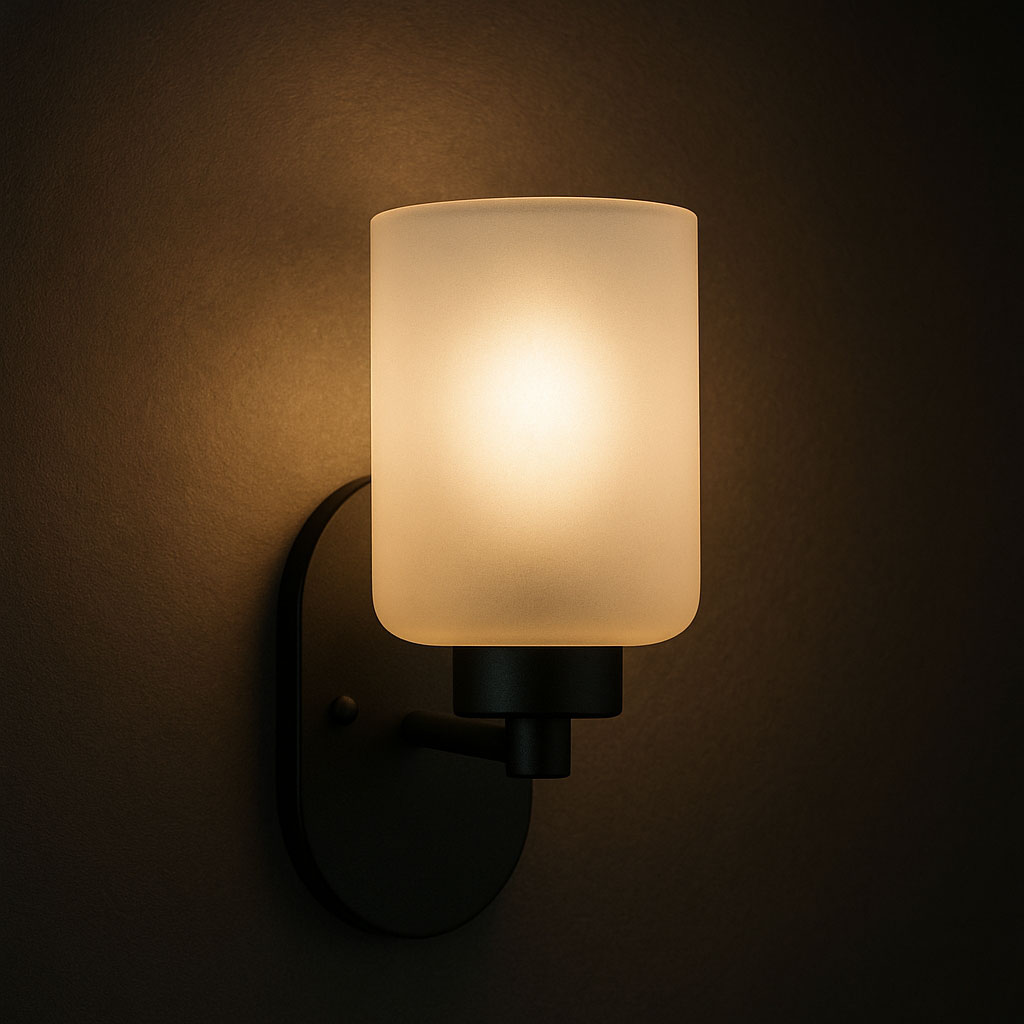
This is why side lighting is commonly specified in hotels and dressing areas rather than relying on ceiling light only.
5. UK Safety Rules & Bathroom Zones
Planning wall lighting early helps avoid awkward placement and wiring limitations later.
• Keep fittings at approximately eye level
• Maintain consistent spacing either side of mirrors
• Avoid placing fittings too close to ceilings
• Confirm IP rating before purchase
Electricians we have spoken with often recommend checking driver access early, especially with integrated LED wall lights.
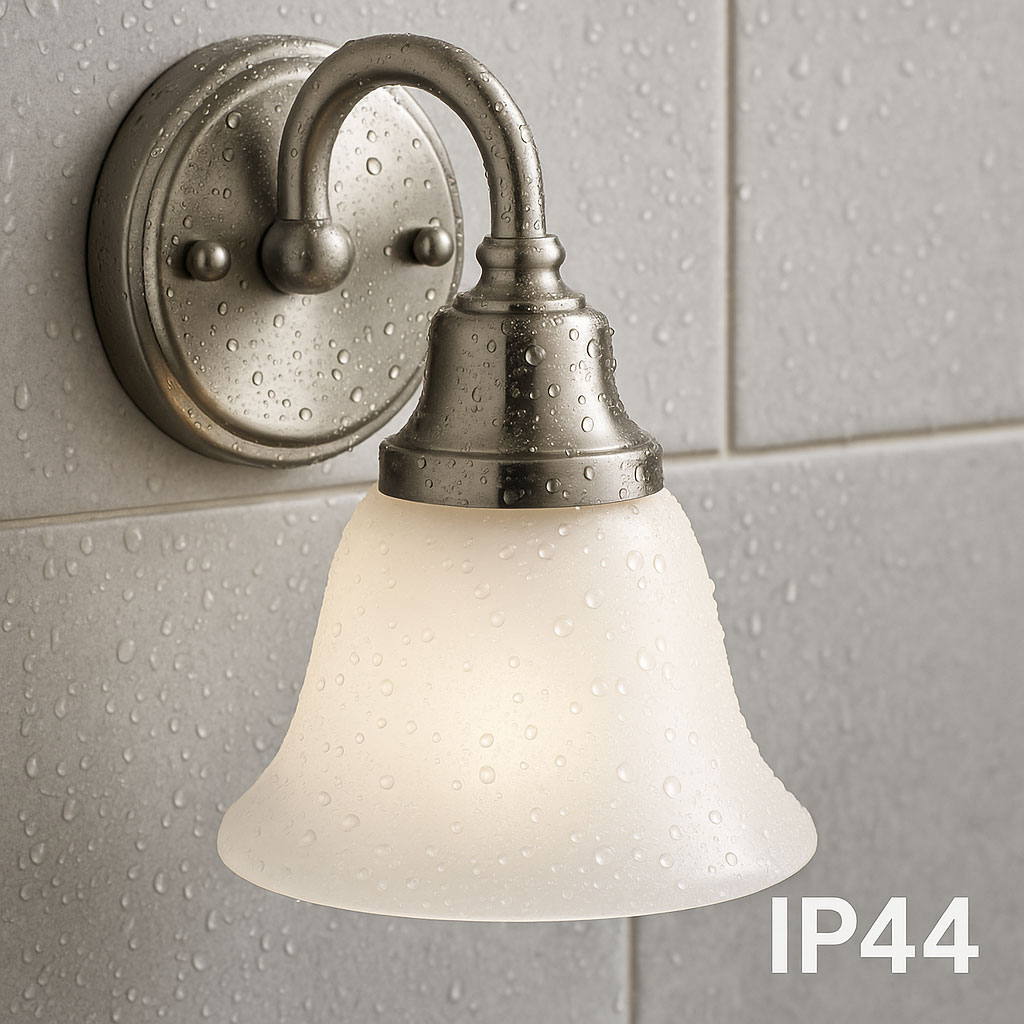
Zone 2 (around sinks) – Lights here should be IP44 or higher.
Zone 1 (if above a bath or shower) – Lights must be IP65.
Outside zones – IP rating is optional but still recommended for steam-heavy rooms.
Use an electrician for installations near water sources and ensure circuits are RCD-protected.
You may find our bathroom zones guide helpful here.
> /guides/bathroom-zones/
External safety source:
Electrical Safety First – Bathroom Electrics
> https://www.electricalsafetyfirst.org.uk/guides-and-advice/electrical-items/bathroom-electrics/
Correct spacing is just as important as height, as poorly spaced lights can create hotspots or uneven shadows.
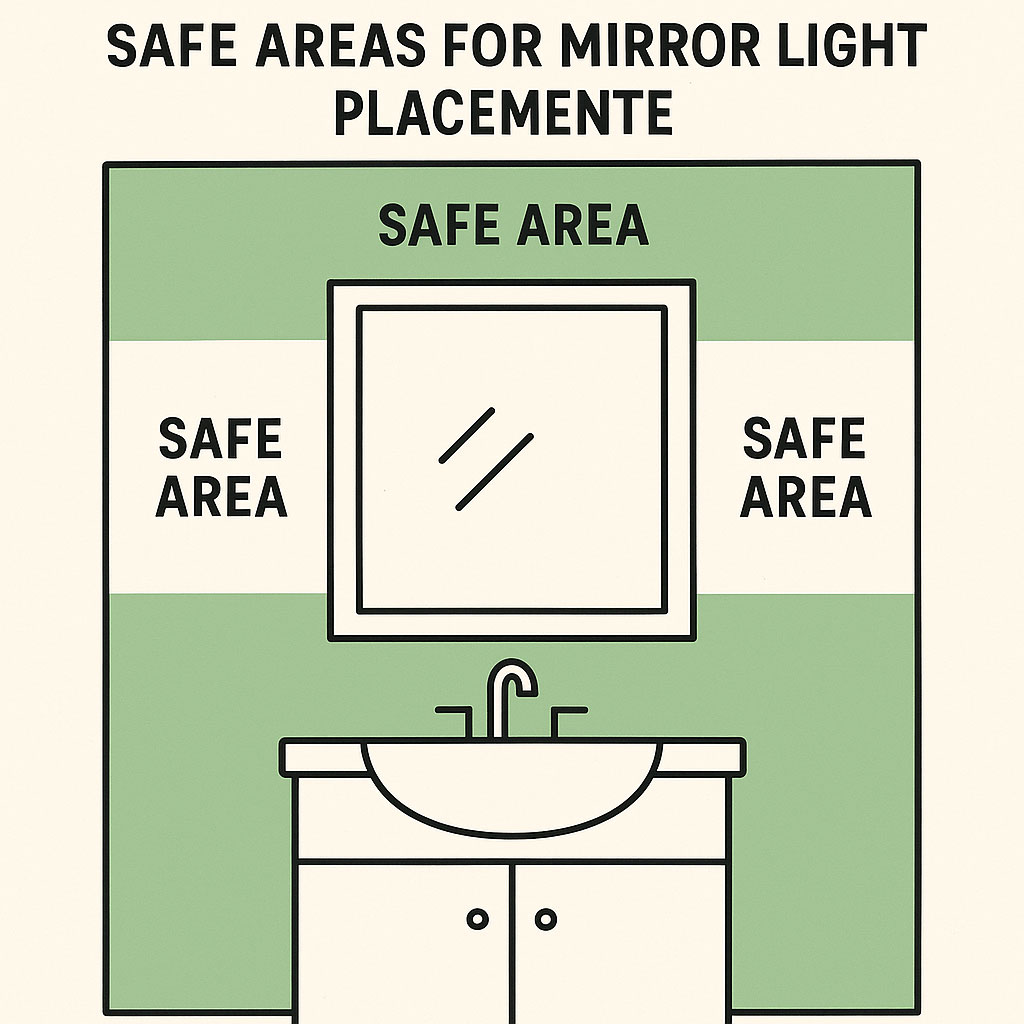
As shown below, keeping lights within this range helps maintain balance without overpowering the mirror area
6. Room-by-Room Mirror Light Height Examples
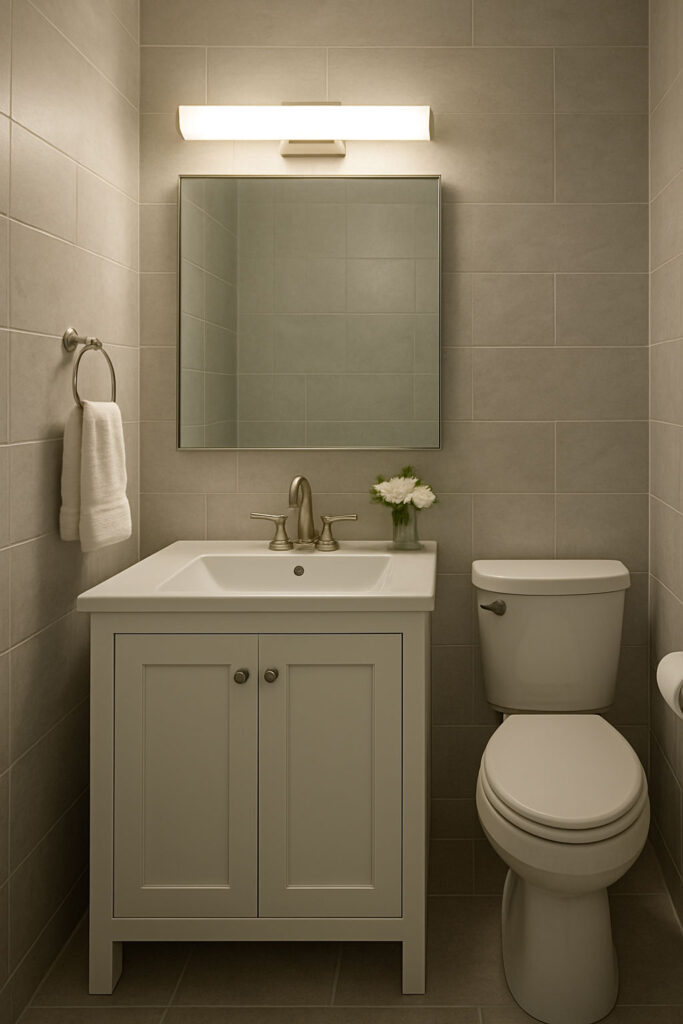
Small Bathroom
- One overhead diffused bar light
- Mounted 5–10cm above the mirror
- Height approx. 185–195cm
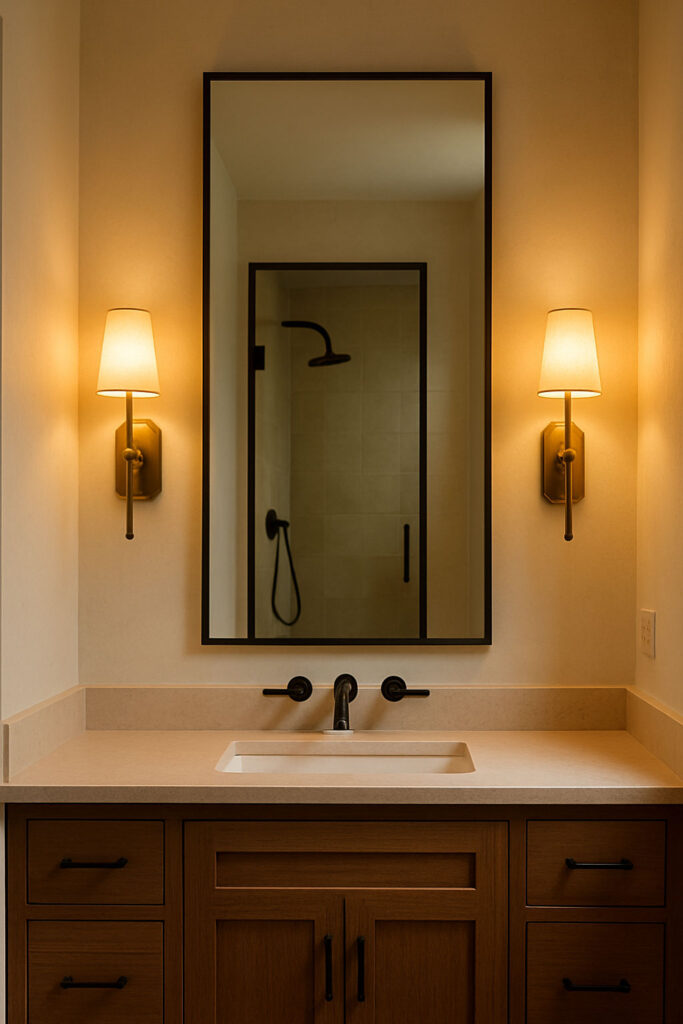
Ensuite
- Side sconces at 150–160cm
- Keep spacing tight for a cosy glow
- Warm 3000K tones for mornings
Family Bathroom
- Side sconces or overhead bar depending on space
- Use dimmable lighting for evening bath routines
- Combine with ceiling lights for balance
In wider vanity setups, spacing needs to be considered across the full width rather than treating each mirror in isolation.

Wet Room
- Use IP-rated side lights
- Ensure placement is outside splash zones
- Pair with niche lighting for ambience
For more layout ideas, visit our bathroom lighting layouts guide.
> /ideas/bathroom-lighting-layouts/
FAQs
What’s the best height for mirror lights?
150–160cm from the floor, or eye level.
How high should an overhead mirror light be?
5–10cm above the top of the mirror.
Is warm or cool lighting better for mirrors?
Warm white lighting between 2700K and 3000K is generally more flattering.
Can wall lights be used near showers
Yes, provided they meet the correct IP rating and are installed in suitable zones.
Should side lights match the mirror height?
Yes – place the centre of the light at eye level.
Do wall lights work in small bathrooms
Yes, especially when slim designs are used at eye level.
Conclusion
Bathroom wall lighting can be an effective way to improve comfort and visual balance when planned carefully and installed correctly. With appropriate positioning and attention to UK safety regulations, wall lights can complement ceiling lighting and improve how the space functions day to day.
Taking time to consider placement, access for maintenance, and suitable IP ratings will usually lead to better long term results.