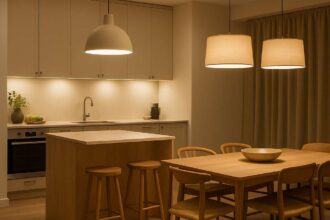
Lighting in 2026 is no longer just about visibility. It is about how a space feels, how it adapts throughout the day, and how it supports comfort, mood, and everyday life.
Across contemporary UK homes, modern lighting has become calmer, warmer, and more intentional. From softly lit living spaces to cozy outdoor patios that feel like an extension of the home, lighting is now a design feature in its own right.
This content focuses on trends and visual inspiration rather than technical planning. For practical lighting guidance, see our main living room lighting guide.
This essential guide explores the most practical and inspiring modern lighting ideas shaping homes in 2026, covering indoor and outdoor spaces, key trends, and smart planning principles you can actually use.
Table of Contents
The Defining Lighting Direction for 2026
Before looking at individual rooms or styles, it helps to understand what connects modern lighting this year.
Across nearly all contemporary interiors, the same themes appear again and again:
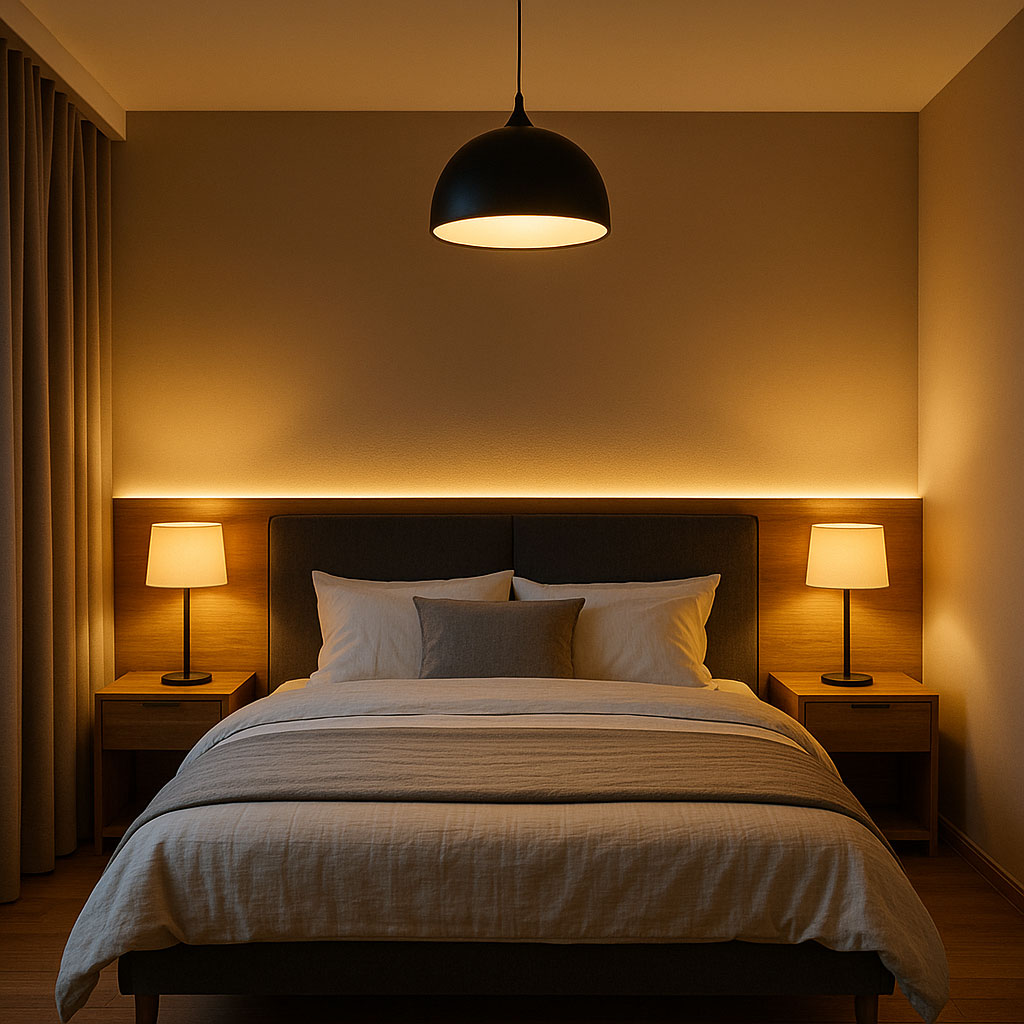
- Warm light over harsh white tones
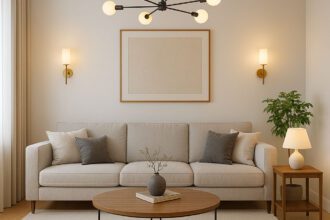
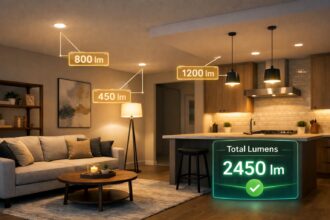
- Layered lighting instead of a single ceiling source
- Calm architectural fixtures that blend into the space
- Lighting used to support wellbeing and relaxation
Modern lighting in 2026 is less about making a statement everywhere, and more about creating balance.
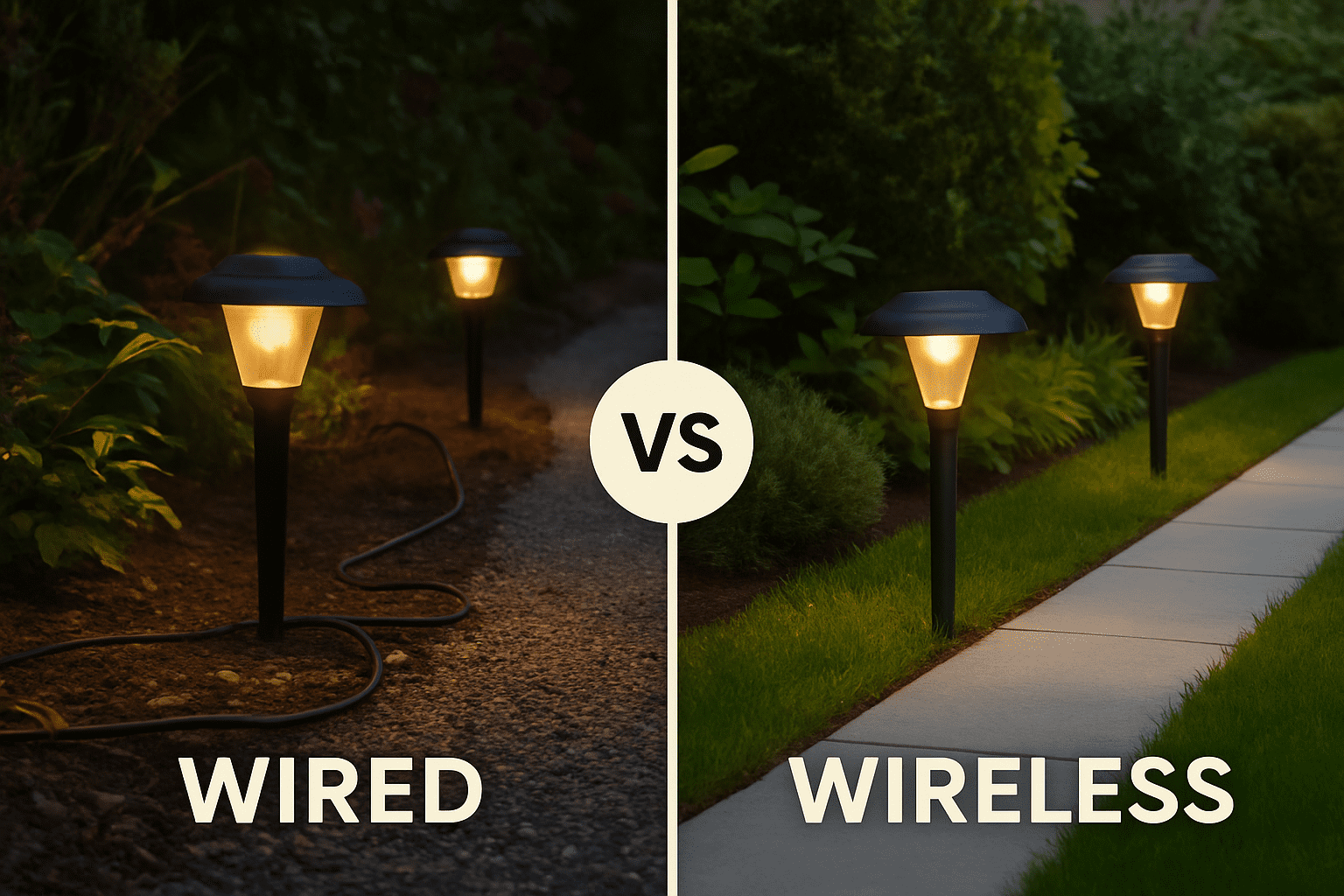
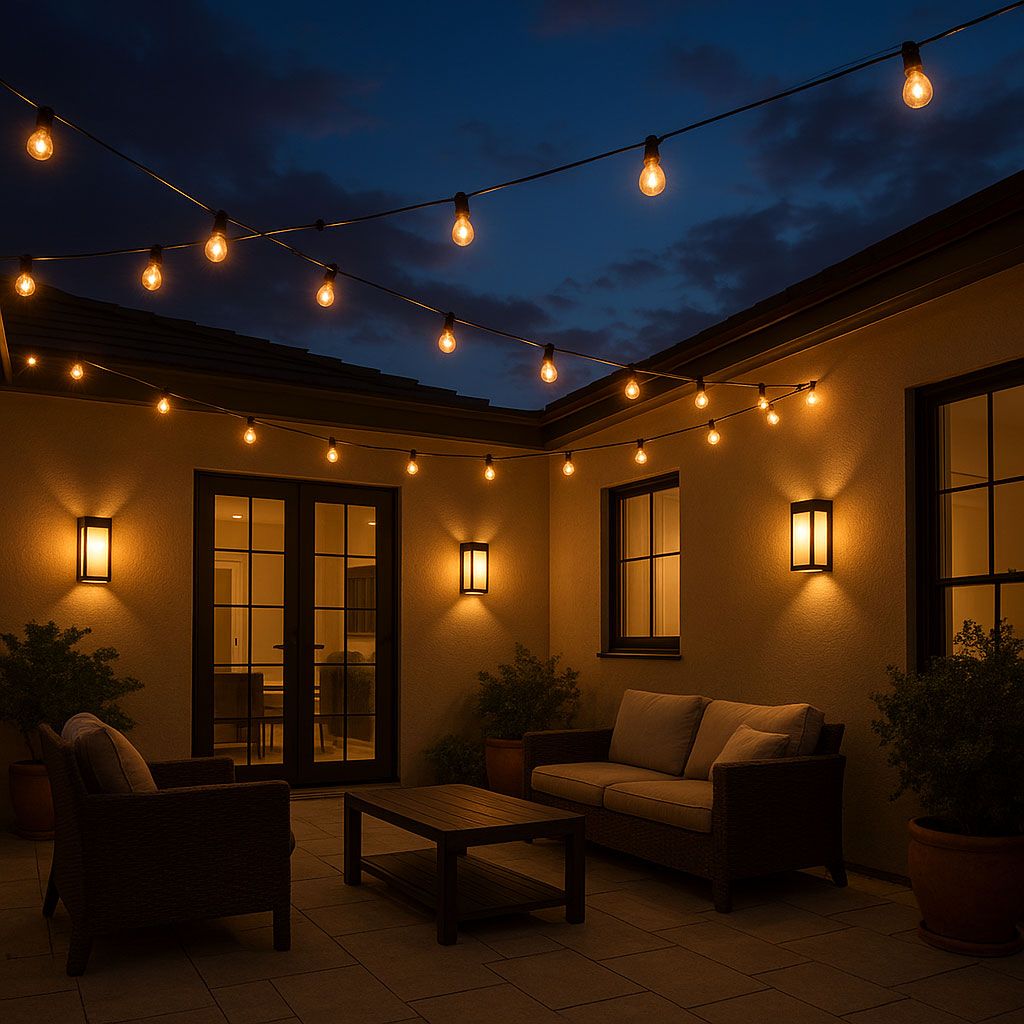
Warm and Ambient Outdoor Lighting for Modern Homes
One of the biggest shifts in modern lighting is how outdoor spaces are treated. Patios, gardens, balconies, and terraces are now designed as true living areas, not just functional exteriors.
Modern outdoor lighting focuses on atmosphere rather than brightness. The most popular approaches include:
- Warm string lights across patios and pergolas
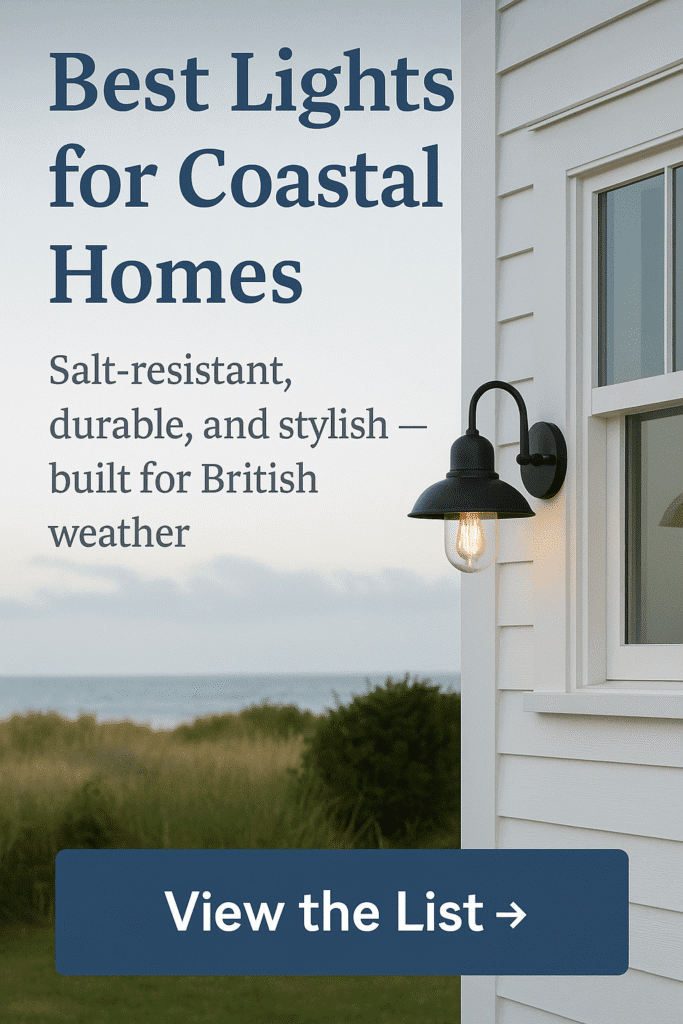
- Soft wall lights that create gentle up and down glows
- Lantern style fittings that add character after dark
- Subtle garden lighting that highlights textures and planting
The goal is simple: make outdoor spaces feel welcoming in the evening, without overpowering them. Even small outdoor areas benefit from low level, warm lighting that encourages you to linger.
Outdoor lighting is no longer an afterthought. In 2026, it is a core part of modern home design.
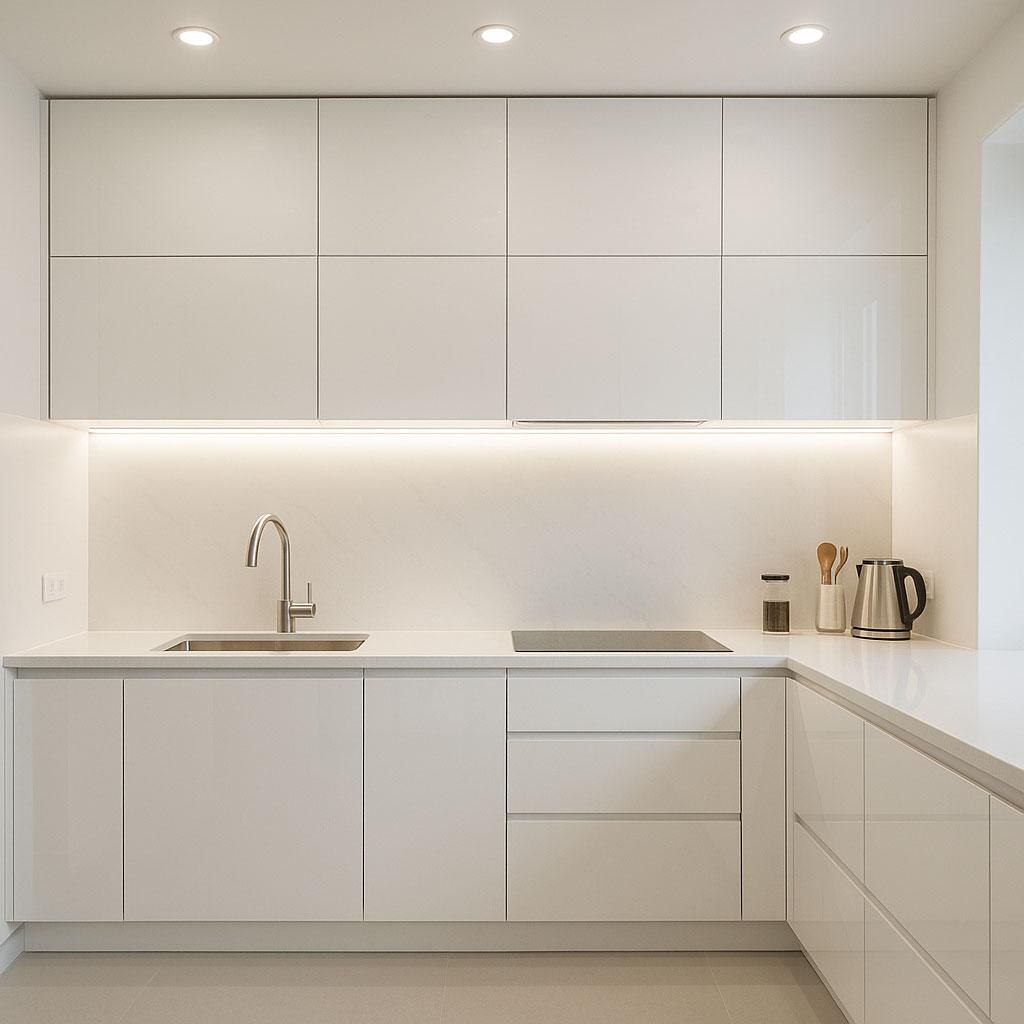
Minimal and Architectural Lighting for Clean Interiors
Minimal lighting remains one of the strongest modern trends, especially in contemporary UK homes where clean lines and uncluttered spaces are a priority.
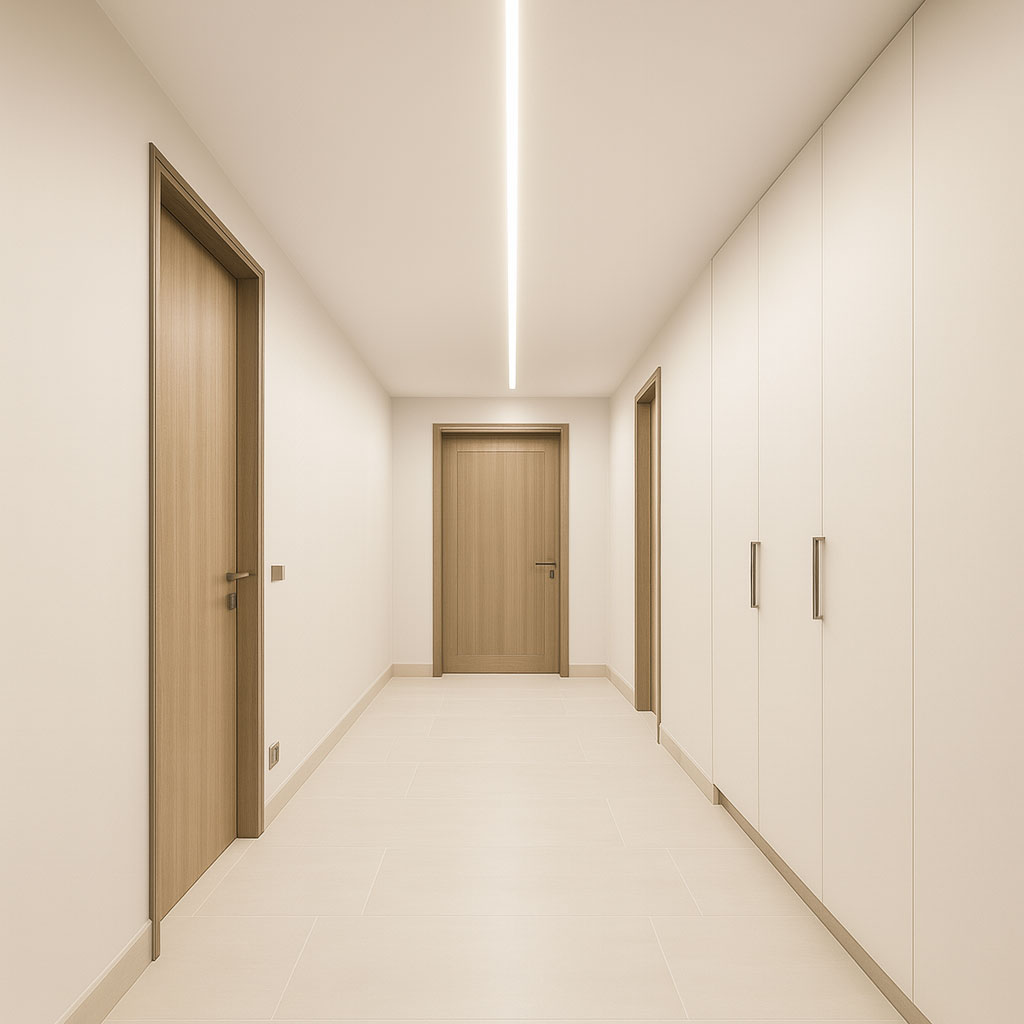
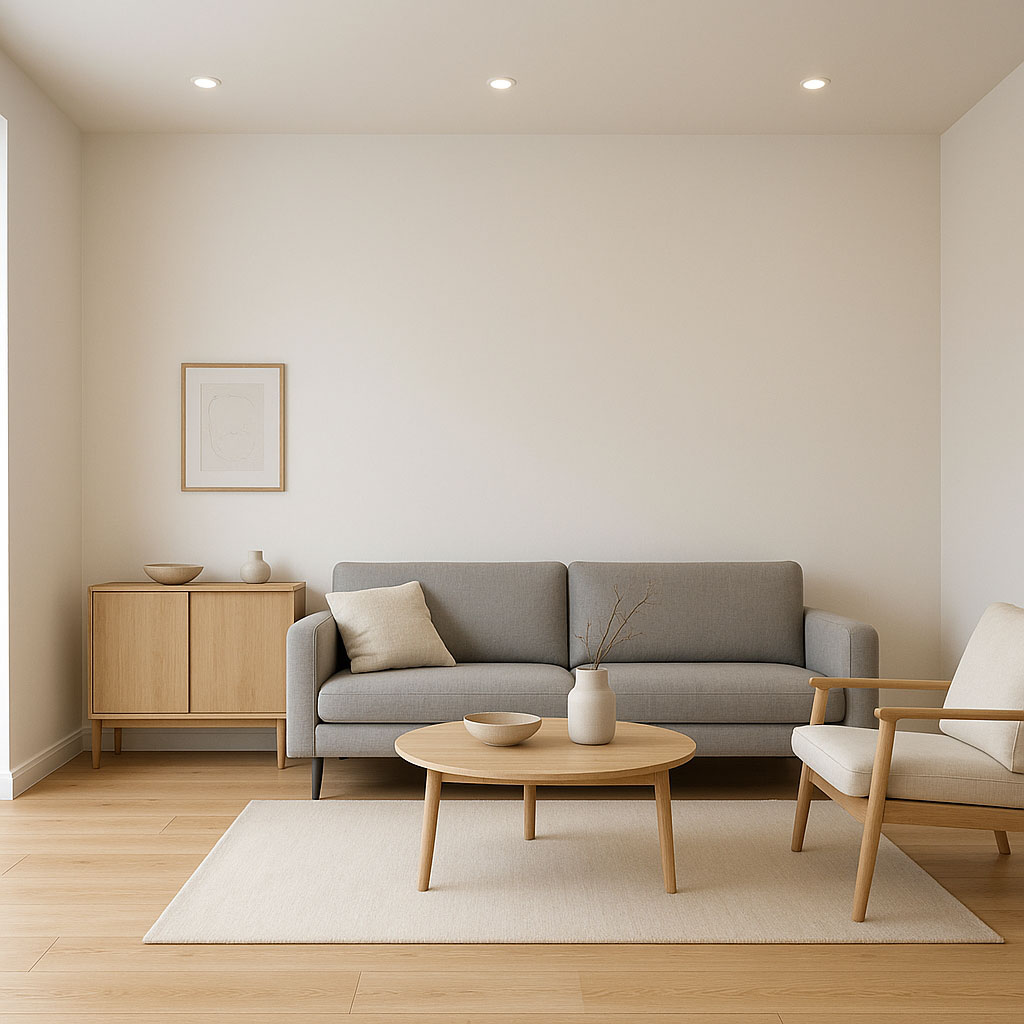
Architectural lighting solutions include:
- Slim recessed downlights
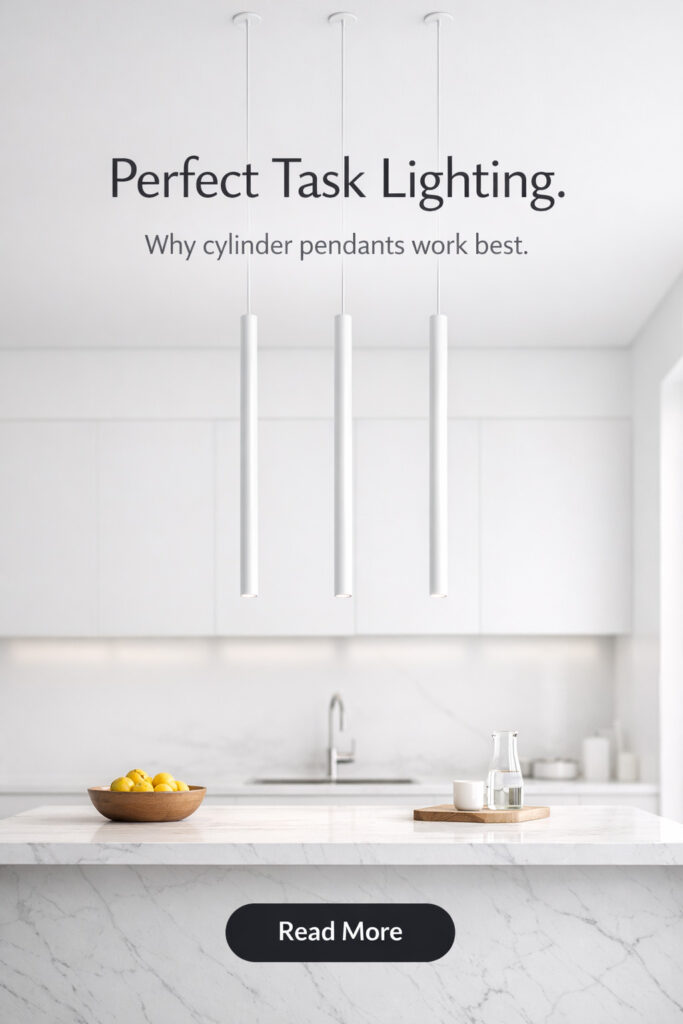
- Linear ceiling lights
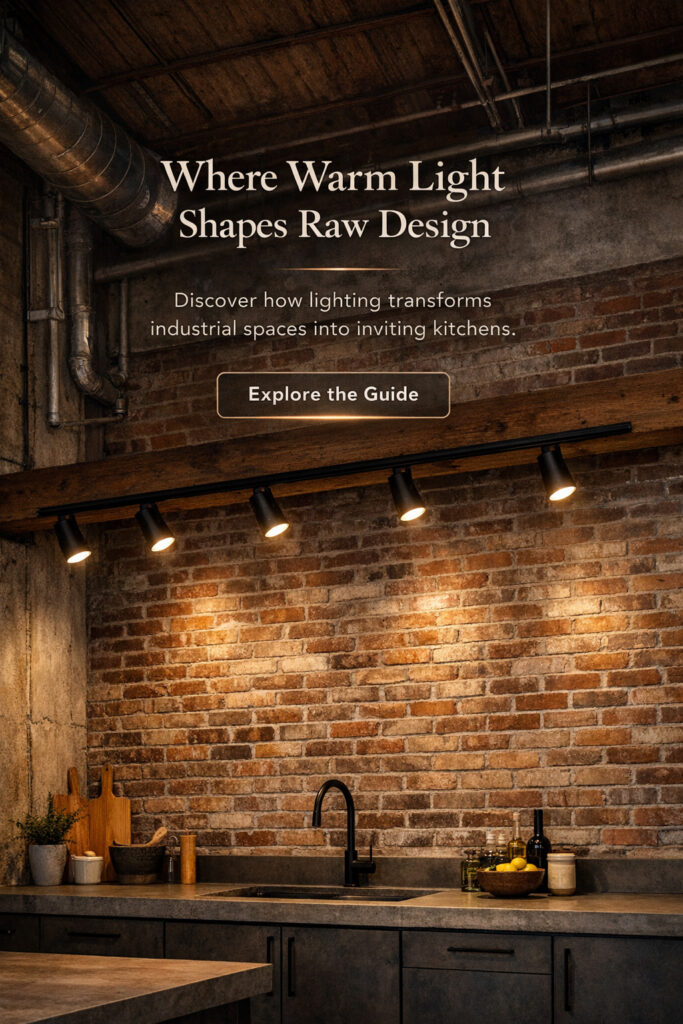
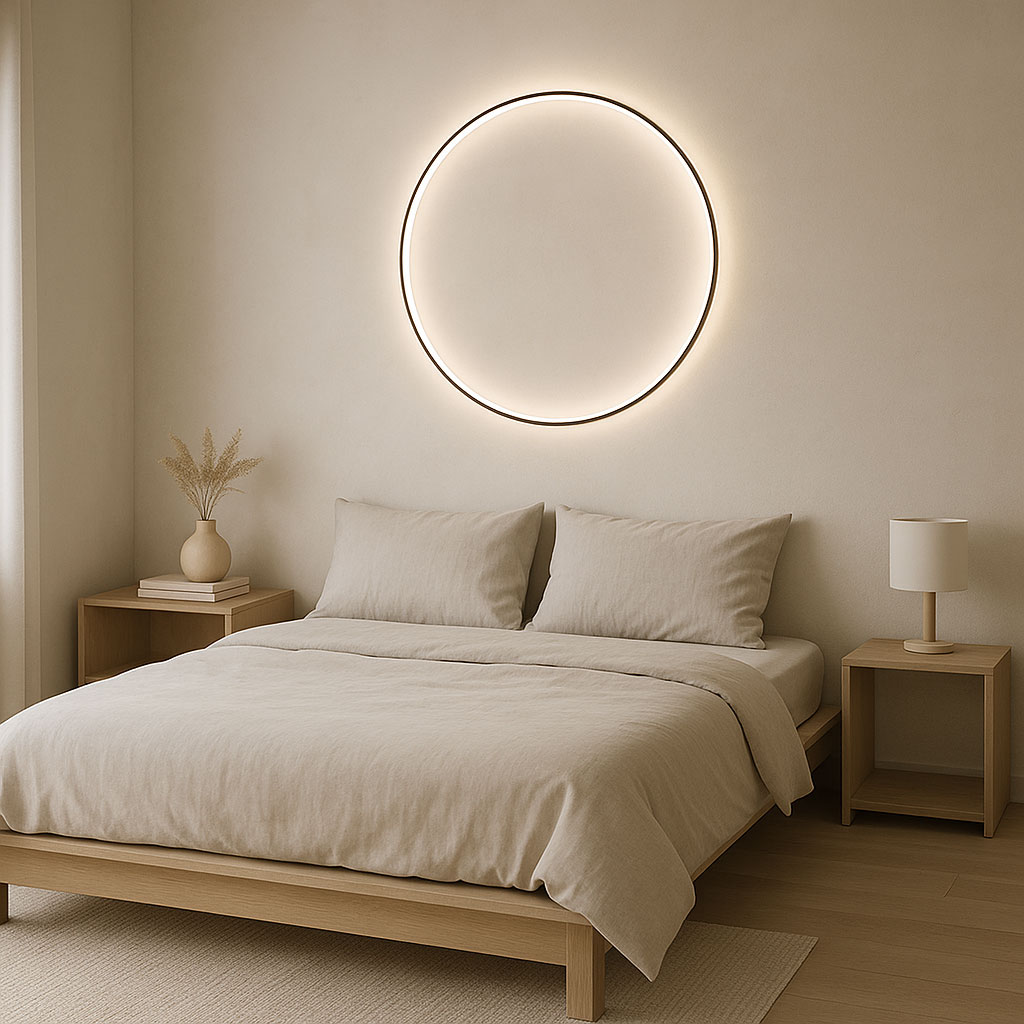
- Wall washers that highlight surfaces
- Hidden LED strips integrated into joinery
Rather than drawing attention to the fitting itself, this type of lighting quietly supports the architecture of the space.
It works particularly well in open plan homes, where lighting helps define zones without visually breaking the room. Check out our living room guide for more inspiration
For inspiration, Houzz UK showcases many minimalist lighting examples:
https://www.houzz.co.uk/photos
Biophilic Lighting and Natural Materials
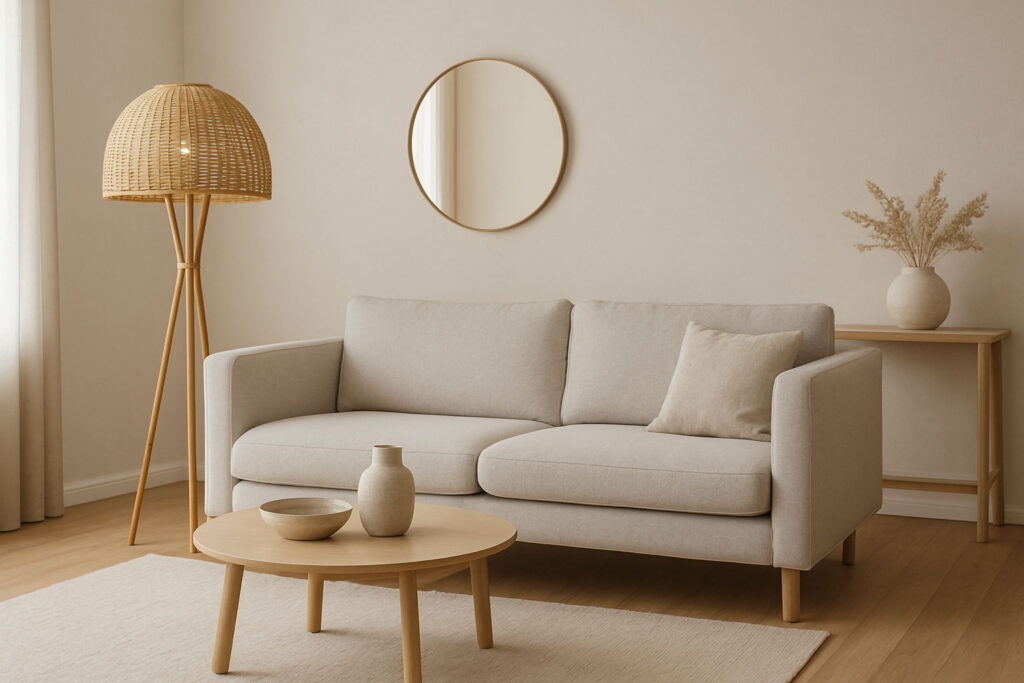
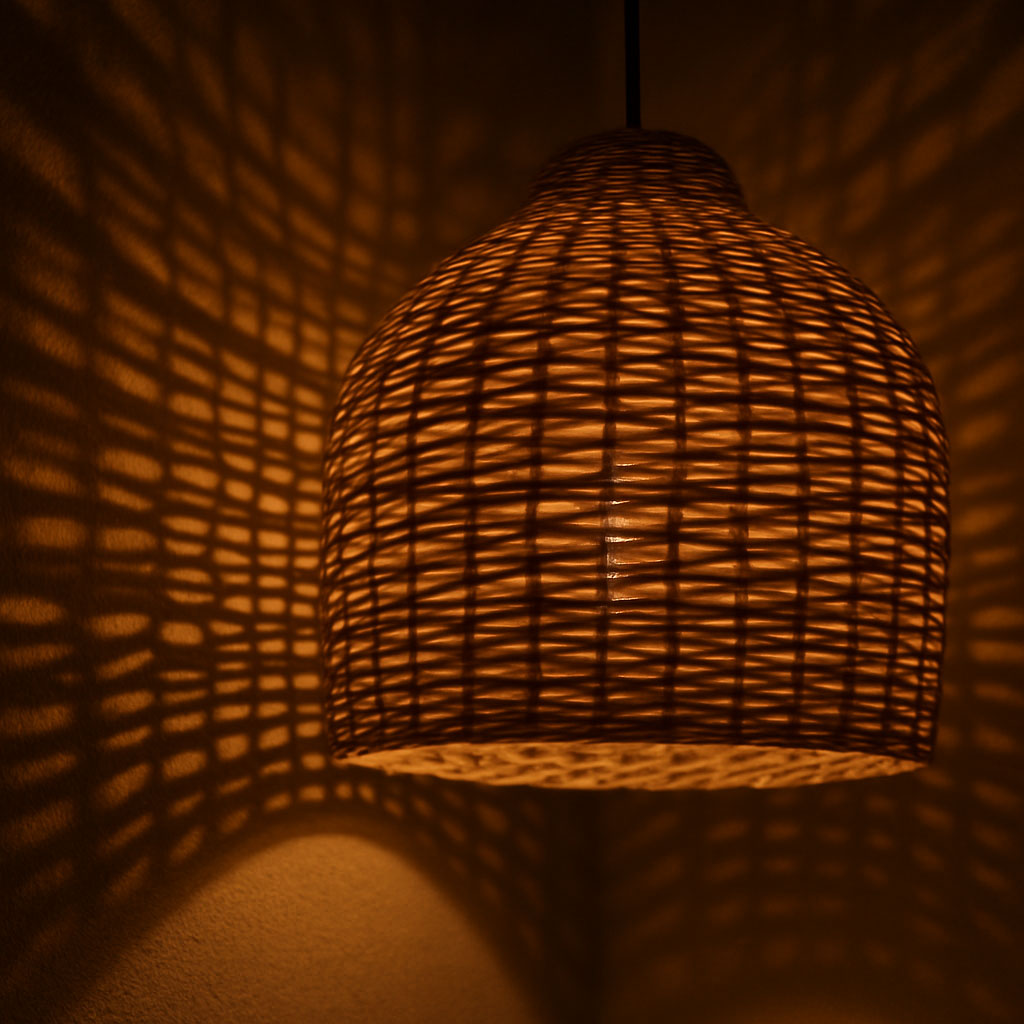
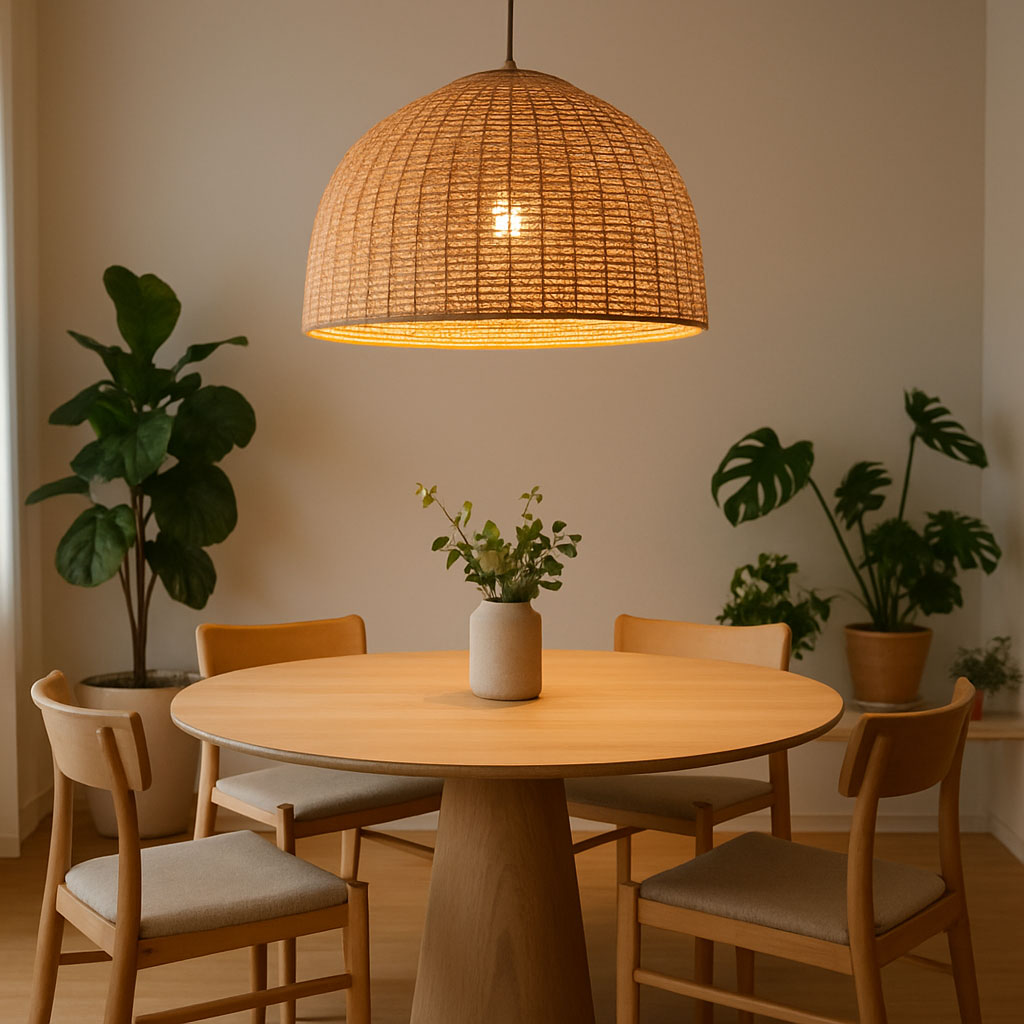
Natural materials continue to soften modern interiors in 2026. Biophilic lighting introduces texture and warmth into spaces that might otherwise feel stark.
Popular choices include:
- Rattan and woven pendants
- Linen or fabric shades
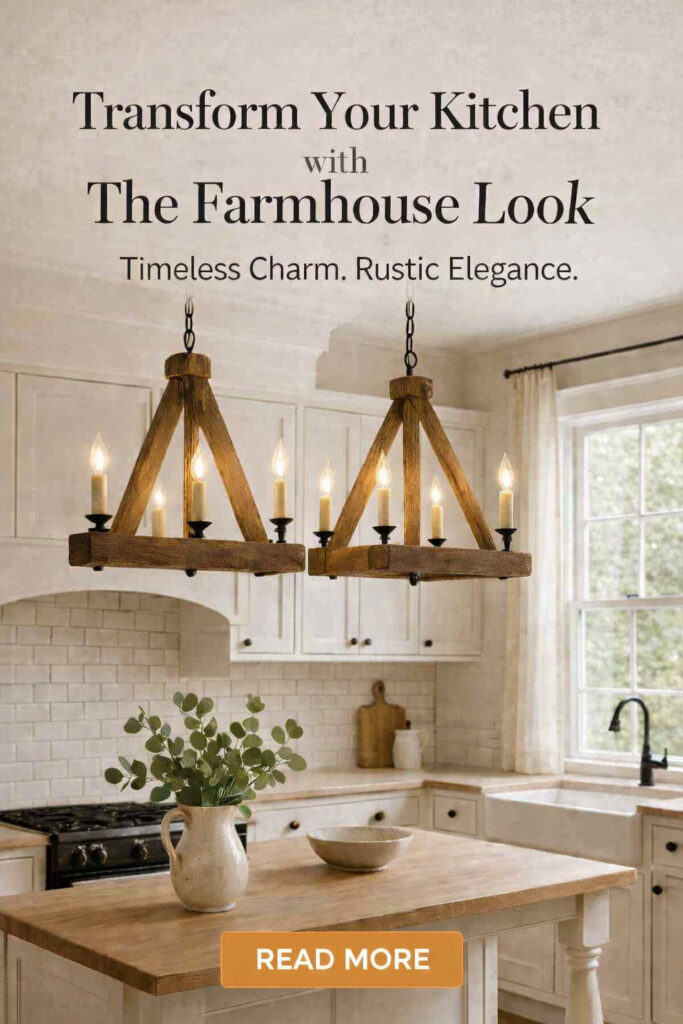
- Timber, ceramic, and stone bases
These materials pair especially well with warm light, helping contemporary spaces feel more relaxed and lived in.
Biophilic lighting works best in living rooms, bedrooms, dining areas, and conservatories, where comfort matters more than brightness.
Understanding the difference between warm and cool lighting helps you choose the right colour temperature for each room — learn more in our warm vs cool lighting explained guide.
For official guidance on improving energy efficiency in your home, see this sustainable home improvements resource from Gov.uk.

Smart and Adaptive Lighting for Real Homes
Smart lighting has matured. In 2026, it is less about novelty and more about subtle control.
The most useful smart lighting features include:
- App based dimming and scheduling
- Warm to cool light transitions through the day
- Motion sensors for hallways and outdoor areas
- Simple scene presets for everyday routines
In the UK, where daylight hours change dramatically between seasons, adaptive lighting helps maintain comfort and consistency while reducing energy use.
The best smart lighting systems blend into daily life rather than demanding attention.
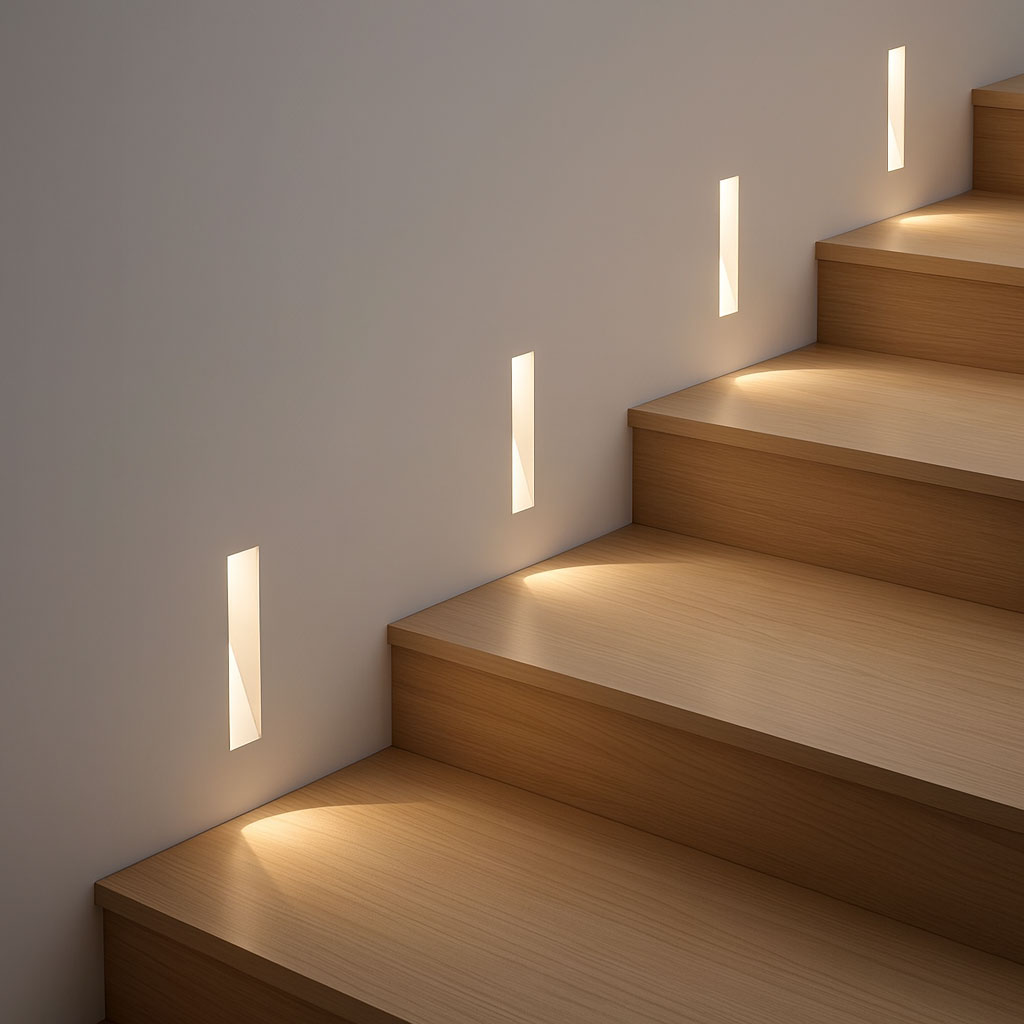

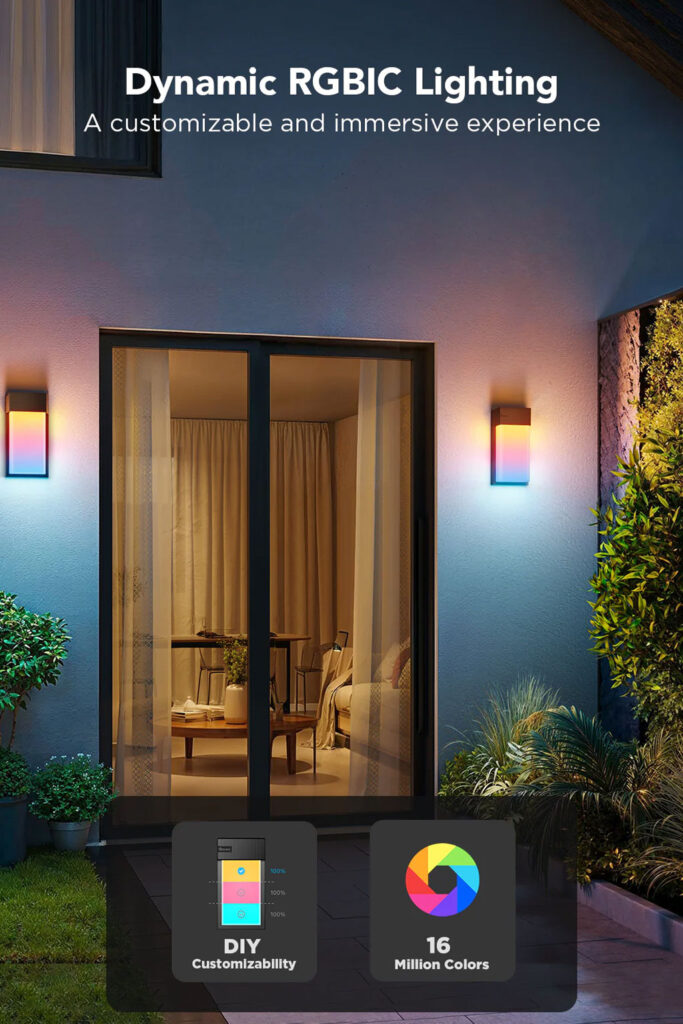
Image credit: Govee
Source: https://uk.govee.com/products/govee-outdoor-wall-light
Statement Lighting Where It Matters
While minimalism dominates many spaces, statement lighting still has a place in modern homes when used intentionally.
Common statement styles include:
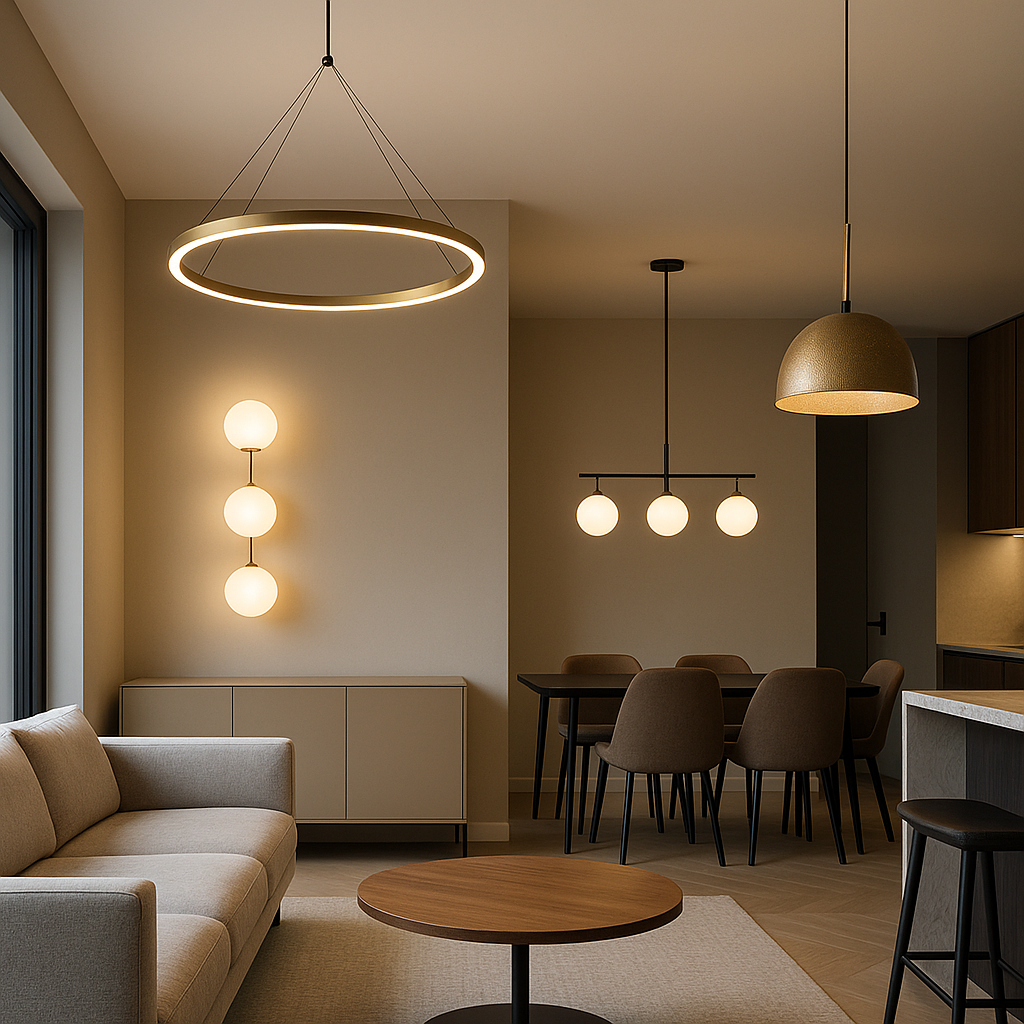
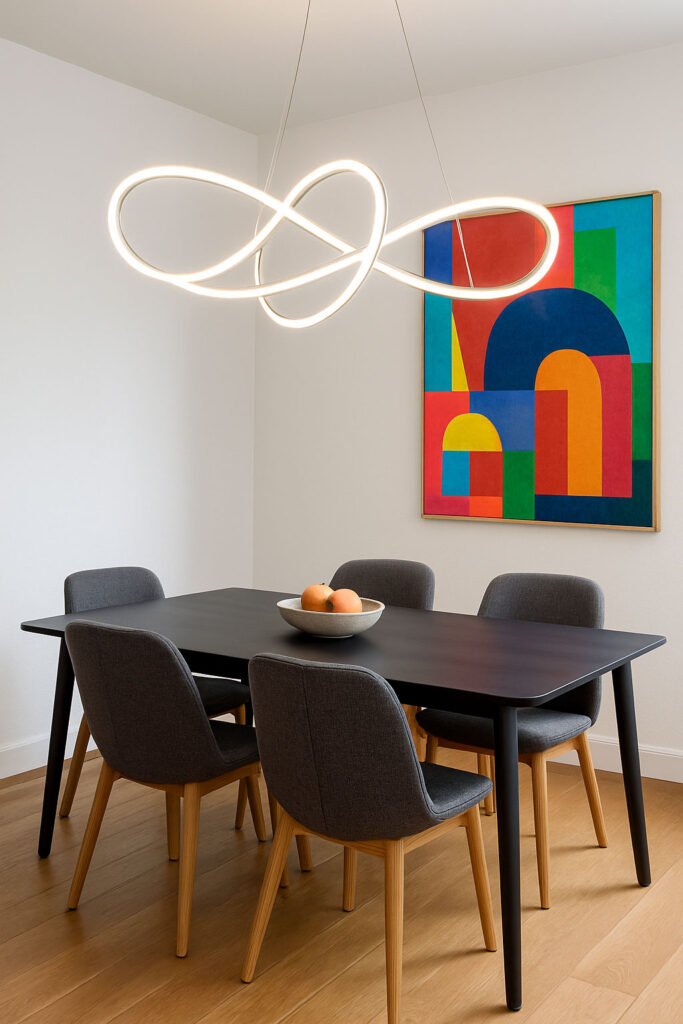
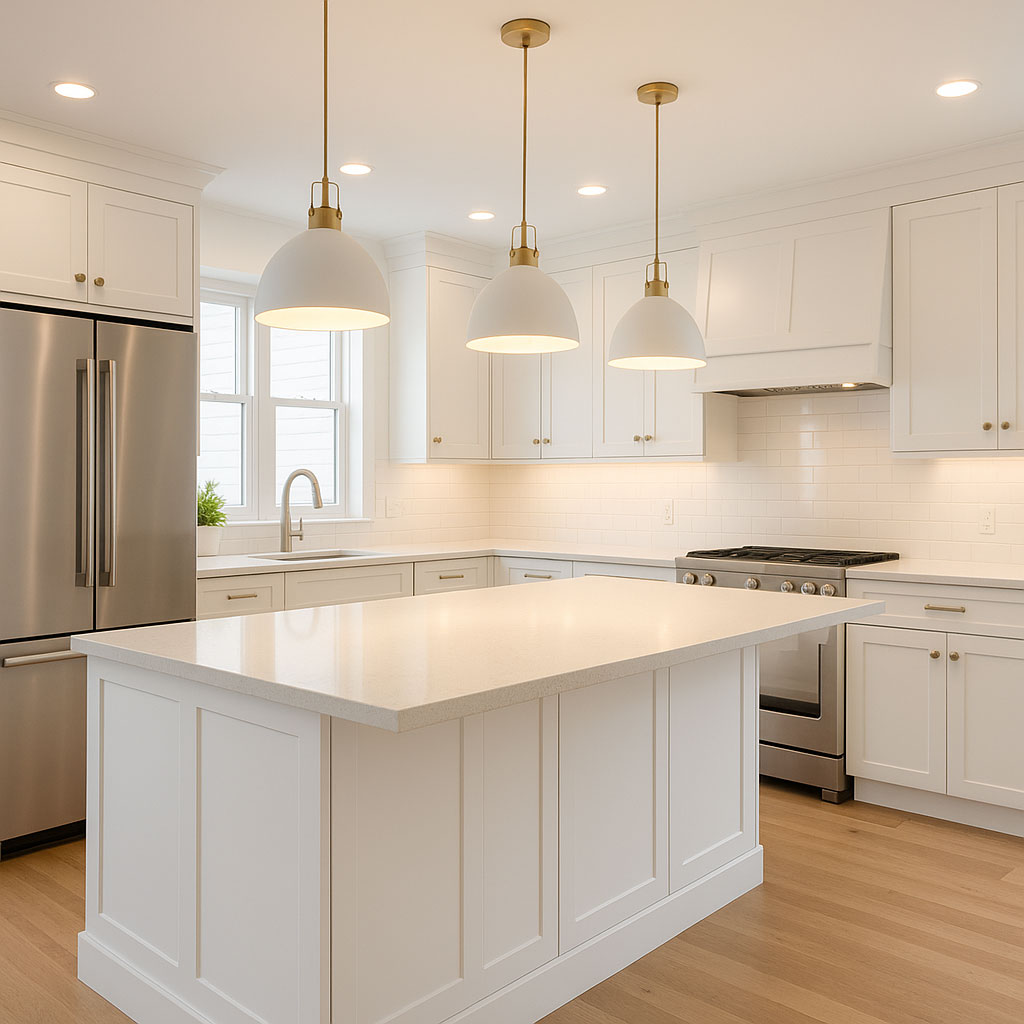
- Sculptural pendants
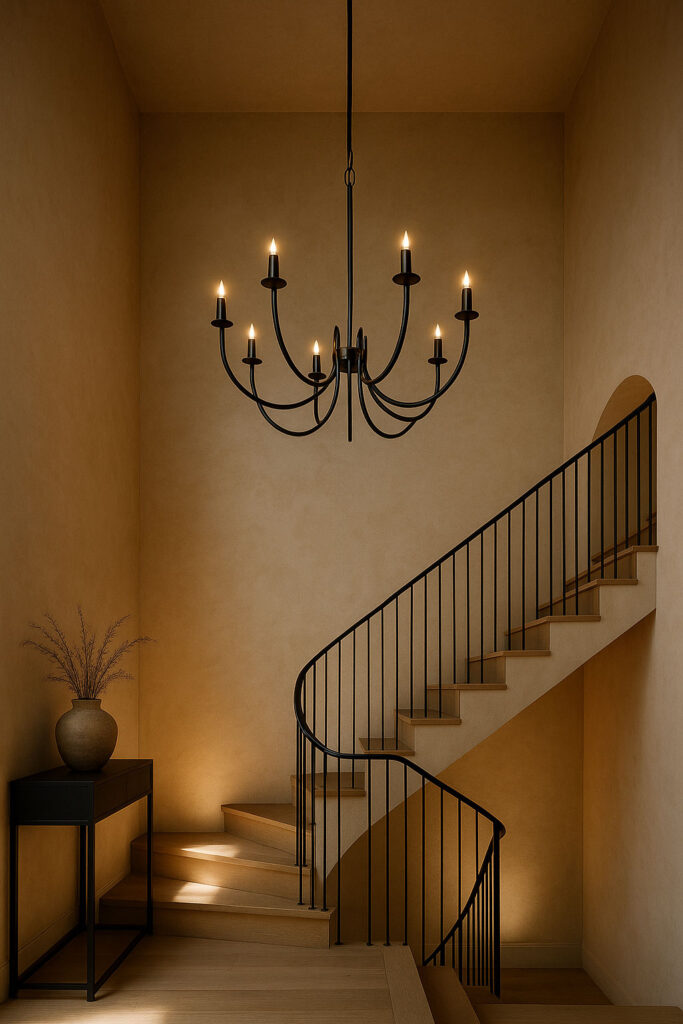
- Oversized globe chandeliers
- Cluster lighting arrangements
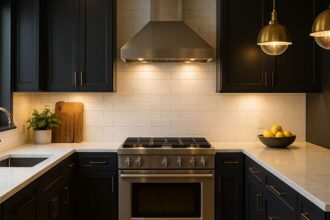
- Bold finishes such as brushed brass or matte black
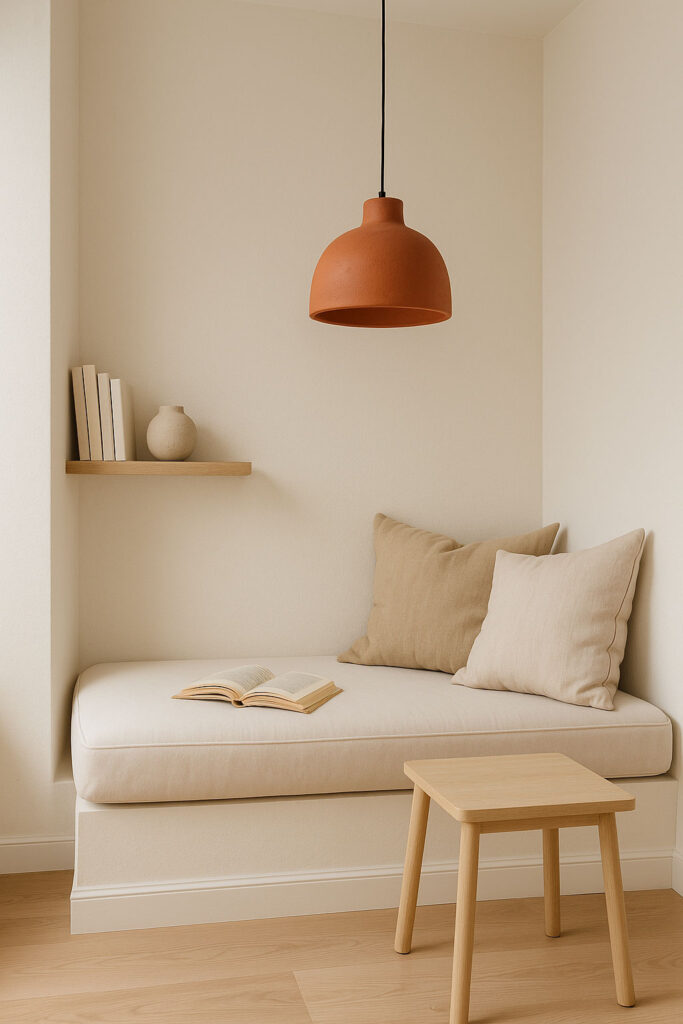
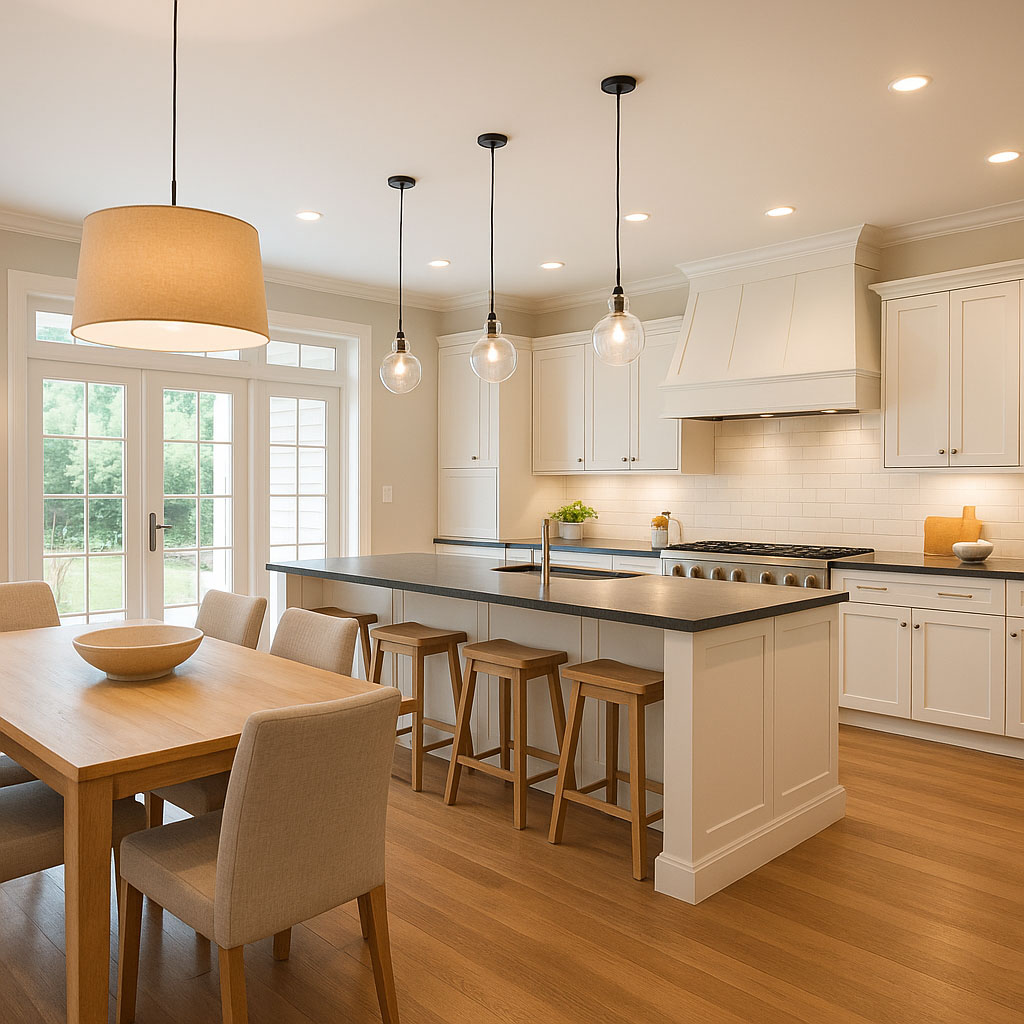
These fittings work best when they are given space to breathe, such as over dining tables, in stairwells, or above kitchen islands.
The key is contrast. Let one fitting stand out, and keep surrounding lighting calm.
👉 Indoor lighting ideas hub:
https://lightguru.co.uk/category/indoor-lighting/
External reference
CIBSE (Chartered Institution of Building Services Engineers) gives guidance on lighting quality:
https://www.cibse.org/knowledge/lighting/

Practical Lighting Layout Tips for UK Homes
Trends are only effective if the layout works in real life.
A well planned modern lighting scheme always considers:
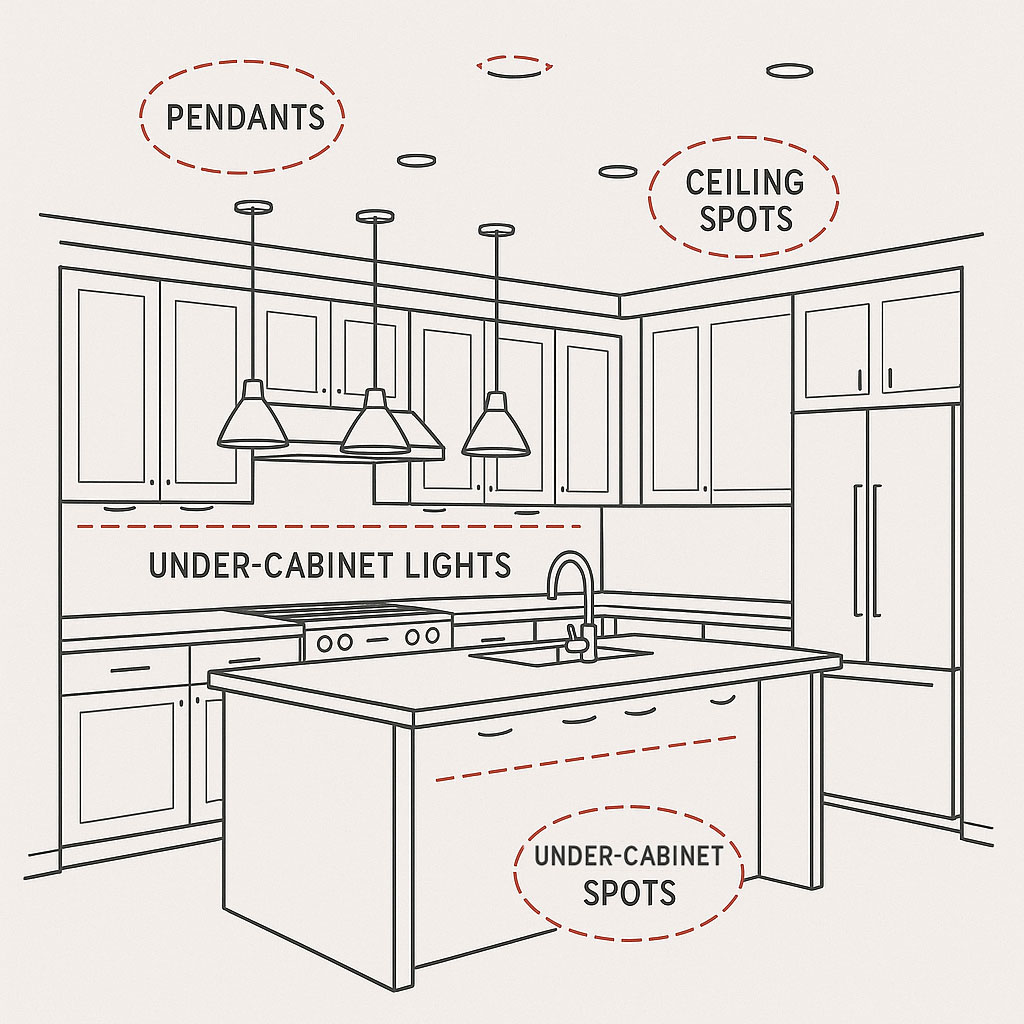
Layered lighting
Most rooms benefit from a mix of ambient, task, and accent lighting rather than relying on a single source.
Scale and proportion
Large rooms need multiple fittings or one strong focal point. Small fittings in large spaces often feel underwhelming.
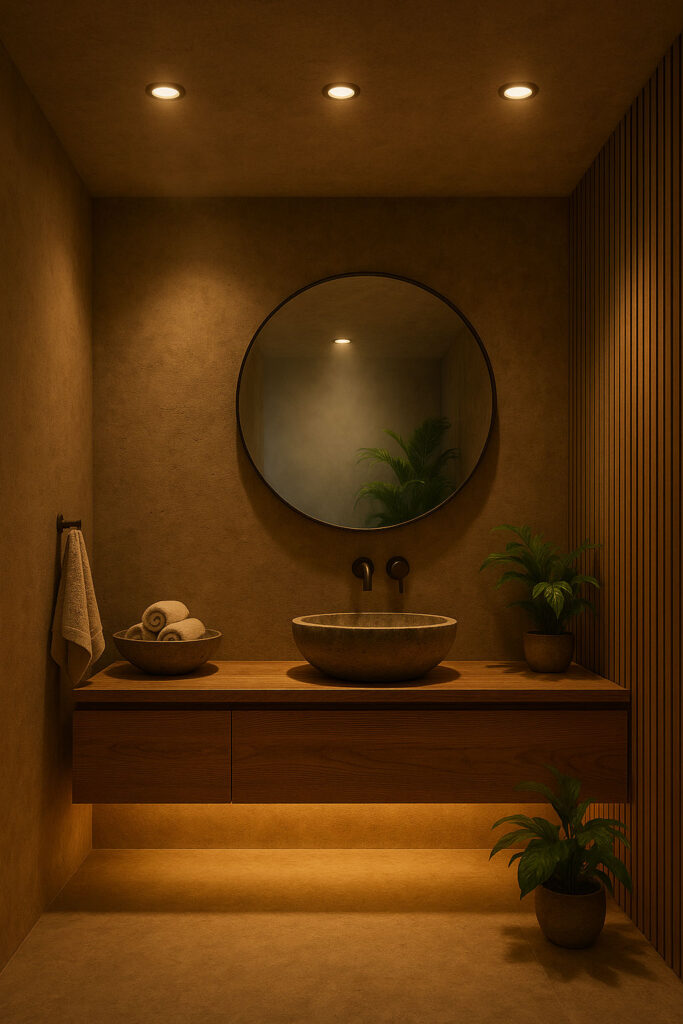
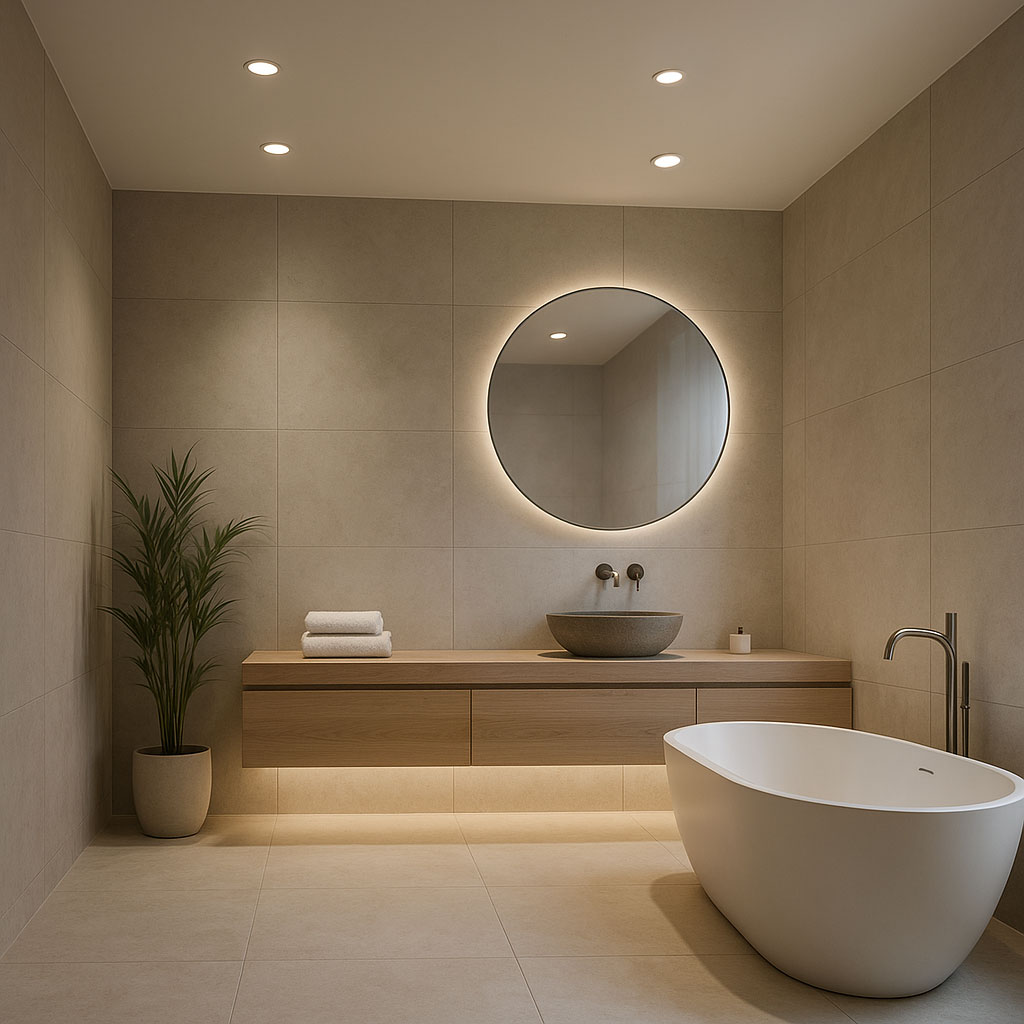
Bathroom safety
Always use IP rated lights in bathrooms and check zone requirements carefully.
Good layout is what turns modern lighting from decorative into functional.
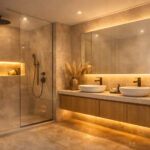
In bathrooms, lighting works best when it balances task lighting with softer ambient light, as outlined in our bathroom lighting guide.
External links
- NICEIC: find approved electricians
https://www.niceic.com/ - Gov.uk Electrical Safety
https://www.gov.uk/electrical-safety-in-the-home
Planning Modern Lighting Room by Room
A simple way to plan lighting across your home is to follow this sequence:
- Start with how the room is used
- Choose a dominant lighting style or mood
- Select an appropriate colour temperature
- Add smart controls where they genuinely help
- Include outdoor spaces as part of the overall scheme
Thinking holistically creates cohesion between rooms and avoids lighting feeling pieced together.

Frequently Asked Questions
What colour temperature suits a modern home?
Warm white lighting around 2700–3000K suits most living spaces and helps create a calm atmosphere.
Is warm lighting still considered modern in 2026?
Yes. Warm white lighting has become the default in modern homes, especially in living areas, bedrooms, and dining spaces where comfort is a priority.
Can modern lighting work in older UK homes?
Absolutely. Modern lighting works well in period and older properties when fittings are chosen carefully and combined with warm light and thoughtful placement.
Do modern homes still need a central ceiling light?
Not always. Many modern spaces rely more on layered lighting using wall lights, floor lamps, and concealed sources instead of a single central fitting.
Can smart and traditional lighting be mixed?
Absolutely. The key is planning how switches and controls work together.
Is outdoor lighting part of modern home design now?
Yes. Outdoor lighting is increasingly planned alongside interior lighting, especially for patios, gardens, and balconies used regularly in the evening.
Final Thoughts: Modern Lighting Is About Comfort First
Modern lighting in 2026 is defined by intentional comfort. The best schemes use warm light, layered layouts, and thoughtful placement to support how homes are actually lived in.
By combining architectural simplicity with natural materials, smart control, and carefully chosen statement pieces, lighting becomes something you feel rather than notice.
When planned well, modern lighting transforms both indoor and outdoor spaces without overwhelming them.